
Translation result
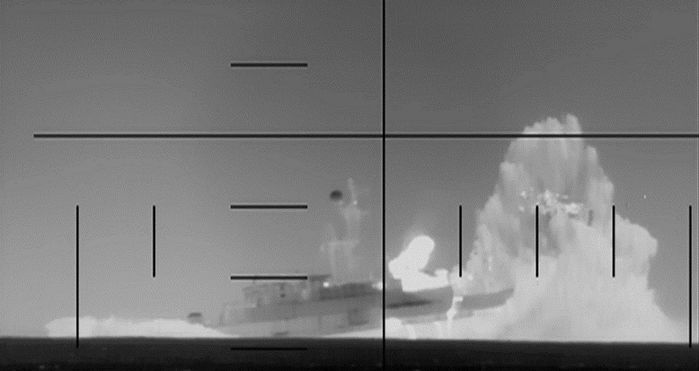
President Donald J. Trump has ordered an immediate naval blockade of the Strait of Hormuz, a strategic maritime chokepoint in the Middle East. The directive came after talks with Iran collapsed and has already unsettled global oil markets, heightening concerns about energy security worldwide.
In an emergency statement on the 12th local time, President Trump directed the U.S. Navy to initiate a full blockade of all vessels transiting the Strait of Hormuz. Defense analysts describe the move as a maximum-pressure measure intended to squeeze Iran’s economy and compel it to meet international demands.
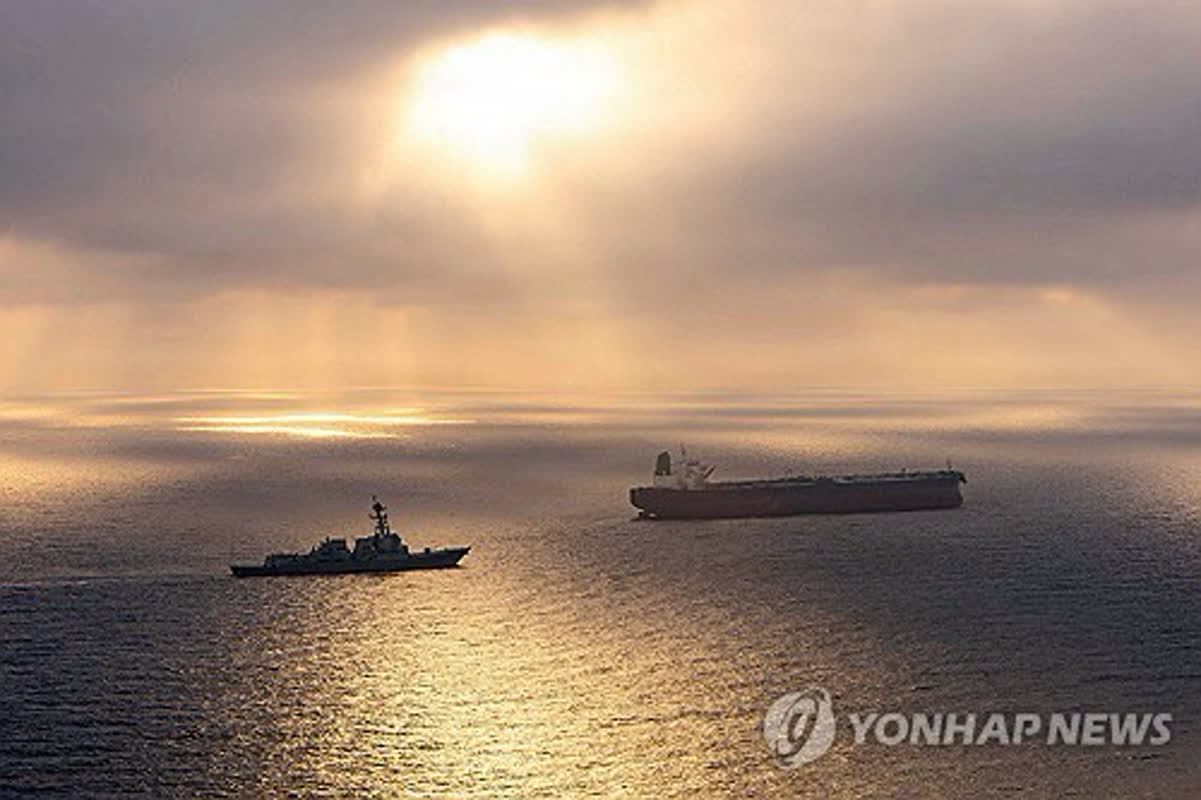
Officials say the blockade will be more robust than past U.S. maritime interdiction efforts, such as operations targeting Venezuela. Under the president’s orders, U.S. Central Command (CENTCOM) has forward-deployed naval assets to the waters near the Strait of Hormuz and says forces are ready to board, inspect, divert or deny passage to tankers and cargo ships bound to or from Iran.
Analysts warn that if Iran responds with military force to a blockade of the Strait — which handles roughly 20% of global oil shipments — the confrontation could escalate into a wider regional war. They also warn that a sharp spike in oil prices would deal a significant blow to the global economy.
The White House says the blockade will remain in place until Iran fully accepts U.S. demands, including denuclearization and an end to its support for terrorist organizations. With tensions at a breaking point, governments, militaries and markets are watching the Middle East’s shipping lanes closely.











Most Commented