
Translation result
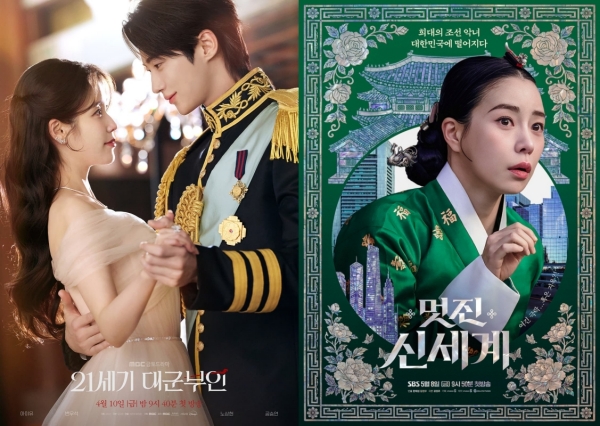 |
| MBC’s 21st Century Grand Madam, SBS’s Brave New World / Photos = respective posters |
[Sports Today reporter Kim Tae-hyung] This spring, two series — MBC’s 21st Century Grand Madam and SBS’s Brave New World — arrive back to back. One pairs IU with Byeon Woo-seok; the other stars Lim Ji-yeon opposite Heo Nam-joon. Beyond their star power, both shows compel attention with premises that foreground the meeting of tradition and modernity.
First, MBC’s Friday–Saturday drama 21st Century Grand Madam, which premieres on the 10th, imagines a constitutional monarchy in which royalty endures into the 21st century. The series depicts a society where tradition and modern life coexist within a single social order. Palaces, hanbok and royal customs are treated not as relics but as living elements of contemporary life. At the center is a romance that explores status and class: chaebol heiress Seong Hee-joo (IU) and the royal family’s second son, Grand Prince Ian (Byeon Woo-seok).
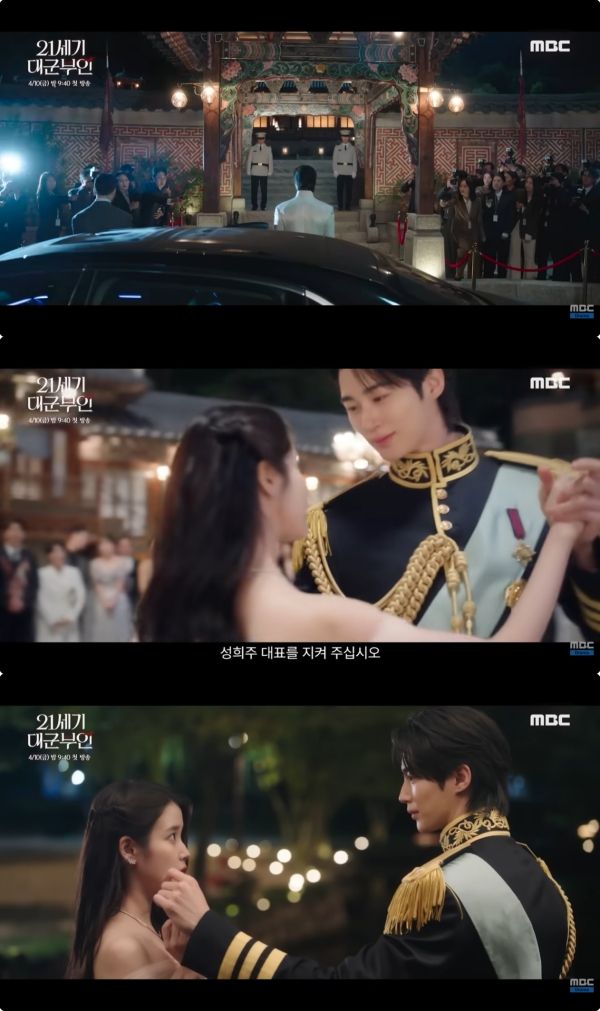 |
| Photo=MBC |
SBS’s Friday–Saturday drama Brave New World, debuting on May 8, also juxtaposes hanbok-clad protagonists and palace elements against a modern urban backdrop. Like 21st Century Grand Madam, it stages a dialogue between tradition and the present, but it does so through a different tonal lens.
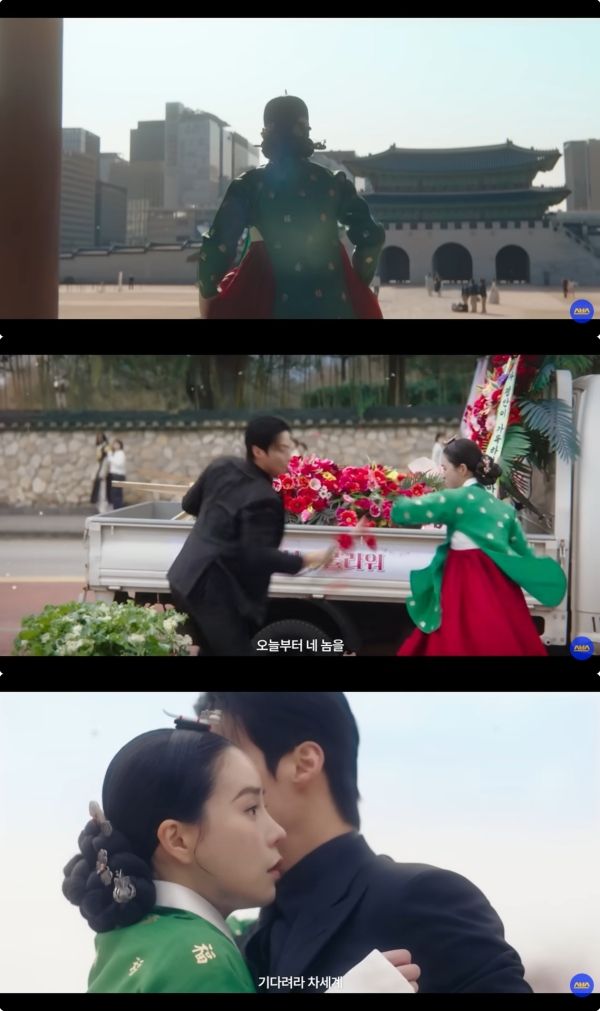 |
| Photo=SBS |
Brave New World is a romantic comedy in which a struggling actress, Shin Seo-ri (Lim Ji-yeon), becomes possessed by the spirit of a Joseon-era villainess and collides with ruthless chaebol Cha Se-gye (Heo Nam-joon). The trailer highlights Seo-ri’s stunned reaction to skyscrapers, cars and other modern sights that would have been unimaginable in Joseon. The series mines the confusion and comedy that result when a centuries-old consciousness is thrust into the 21st century, using the outsider’s perspective to render familiar realities anew.
Ultimately, the two series differ in approach: 21st Century Grand Madam integrates tradition into a cohesive contemporary order, while Brave New World amplifies the tension and humor that come from the clash between eras. The same source material yields markedly different tones depending on the creators’ lens.
Both shows stand out for reinterpreting tradition for a contemporary audience. With global interest in Korean culture rising — fueled by K-pop and series such as K-Pop Demon Hunters — it will be telling to see how these two distinct takes on the meeting of past and present play with international viewers.
Pop culture critic Ha Jae-geun said that as demand has grown for ‘fusion’ content blending tradition and modernity, producers appear to be following that trend. Given the renewed interest in Korea’s traditional culture, mixing traditional elements with modern storytelling likely reads as a commercially viable strategy.
[Sports Today reporter Kim Tae-hyung ent@stoo.com]
「The closest, most FunFun news ⓒ Sports Today」













Most Commented