
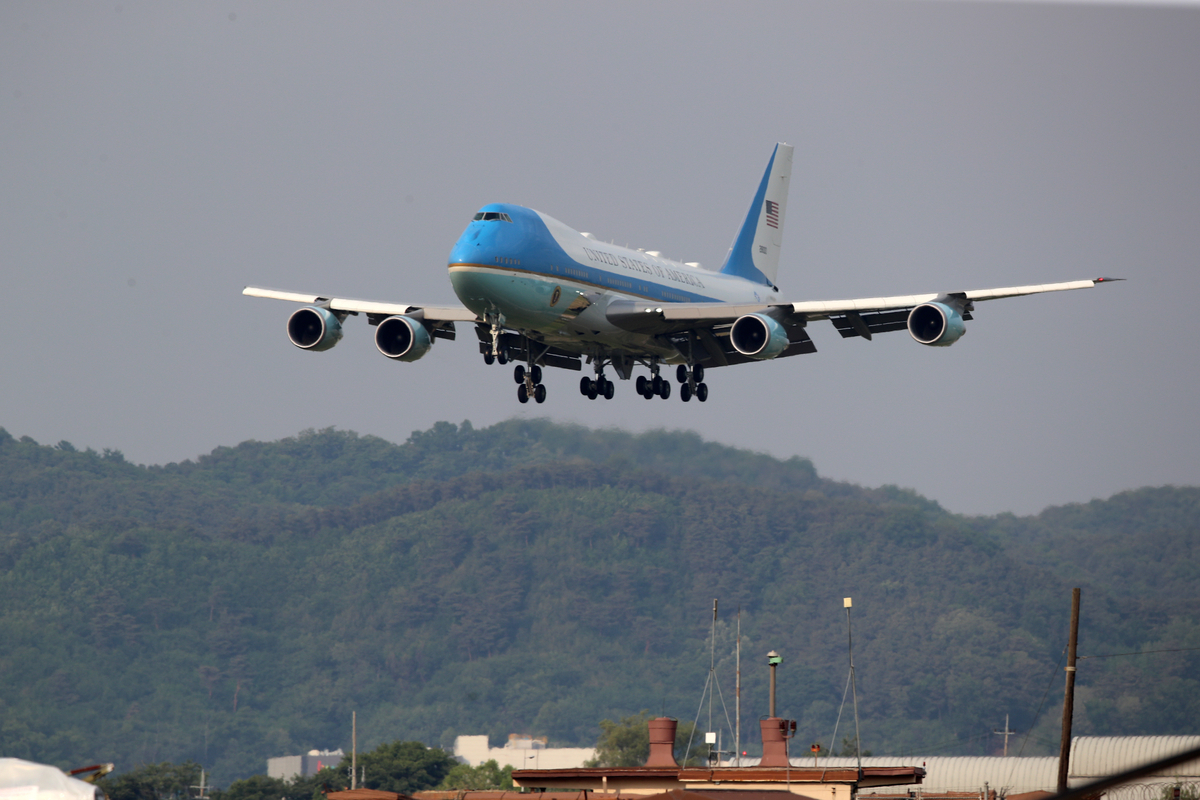
A security alert prompted a U.S. Air Force F-16 to scramble just hours before Air Force One was scheduled to depart. Officials said a civilian aircraft’s approach triggered the alarm; the episode was caused by a brief loss of radio contact with that aircraft.
The New York Post reported on the 29th (local time) that, a few hours before President Trump was due to return to Washington, D.C., from Palm Beach International Airport, NORAD fighters were scrambled and illuminating flares were deployed.
The incident began when a civilian aircraft entered a temporary flight restriction (TFR). The Air Force issued an immediate ground stop for the flight, but the plane’s loss of communications escalated the response.
NORAD said the civilian aircraft breached the TFR at about 1:15 p.m. Eastern and that NORAD fighters were dispatched immediately to intercept and escort the aircraft safely out of the restricted area.
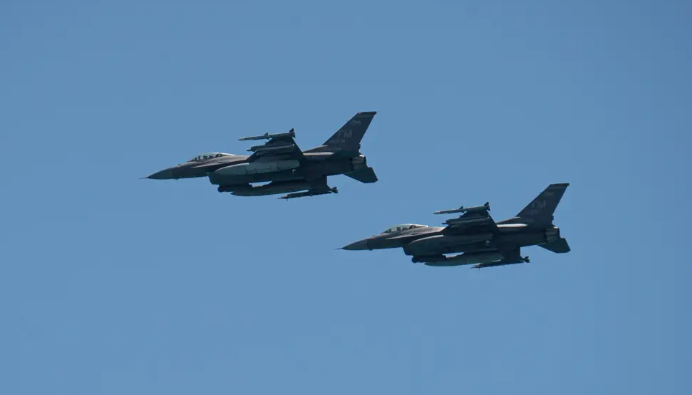
NORAD said the fighters deployed flares to attract the pilot’s attention and attempt to re-establish communication. Officials said the flares were used with safety as the top priority and burned completely in the air, posing no risk to people on the ground.
The White House and the Secret Service said neither Air Force One nor the president were ever in danger. A White House official said the civilian aircraft briefly lost contact with the control tower, but communications were restored and the ground stop lifted. The official added there was no drone intrusion and no threat to the presidential aircraft scheduled to depart that evening. President Trump was at his nearby golf course when the incident occurred.
Early suggestions that a drone had caused the alert proved unfounded.











Most Commented