Quick access to main page (top) Direct access to main contents Quick access to main page (bottom)

How Iran’s Hormuz Strait Blockade Signals a New Era in Global Energy Warfare

Daniel Kim Views  

Translation result.

 Reuters
 Reuters

[Herald Economy=Reporter Jeong Mok-hee] Analysts say Iran’s de facto blockade of the Strait of Hormuz and its use of crude oil as a weapon signal that 21st-century great-power competition has entered a new phase. Going forward, the struggle between states is increasingly likely to turn on who controls critical raw materials, energy, and supply chains.

The Wall Street Journal on March 22 identified oil, rare earths and semiconductors as core instruments in the global power competition. Iran’s decision to “weaponize” energy in a confrontation with the United States and Israel has reinforced the idea that resource control is strategic power.

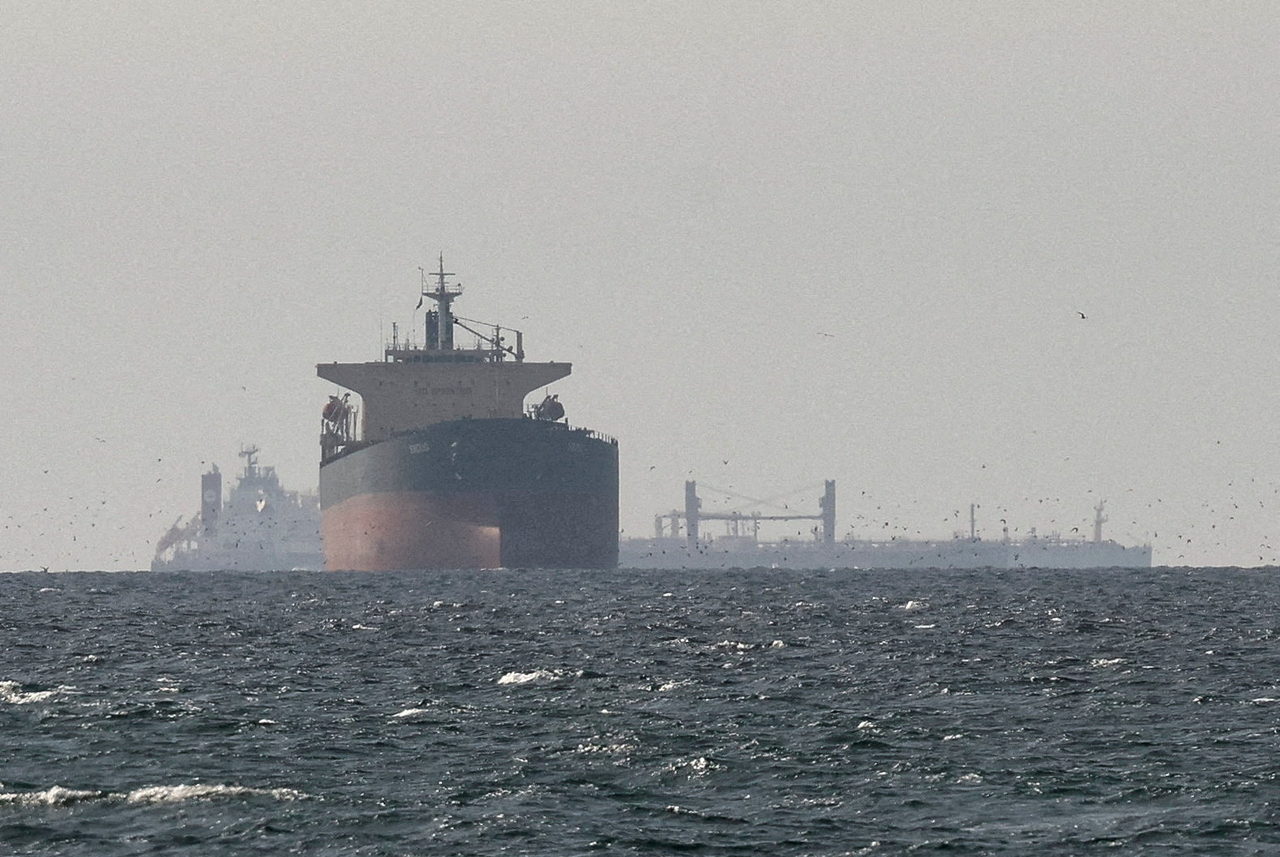
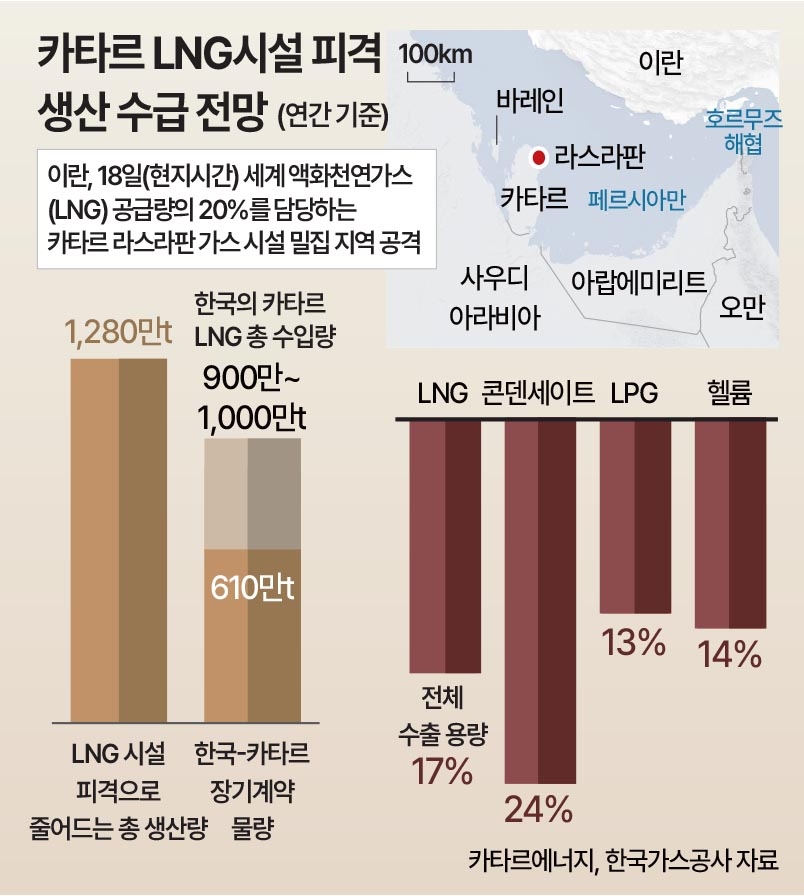
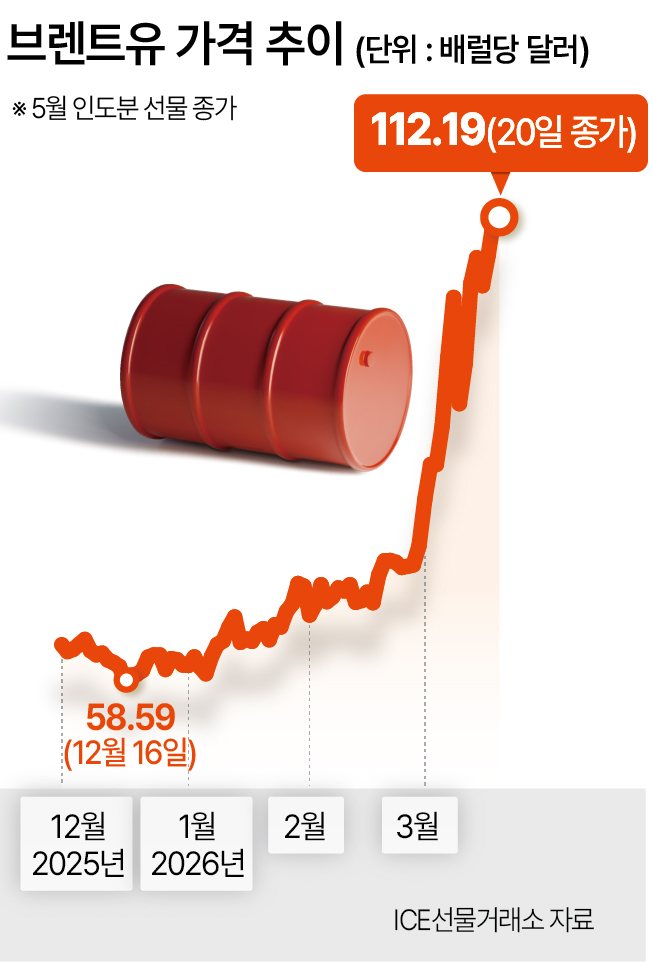
Iran has effectively paralyzed the Strait of Hormuz, a chokepoint for roughly 20% of global oil shipments. It then struck Qatar’s Ras Laffan complex, home to the world’s largest liquefied natural gas facilities, damaging energy infrastructure. President Donald Trump warned, “If they do not reopen the strait within 48 hours, we will strike and destroy Iranian power plants.”
 Reuters
 Reuters

The sequence underlines that energy remains a central pillar of the global economy. It also suggests military and economic power bases are shifting back from “software and information” toward physical resources such as oil, rare earths and industrial production capacity.

States that fail to secure these key resources face not only higher inflation and the risk of recession but also limits on building advanced AI capabilities and future military strength.

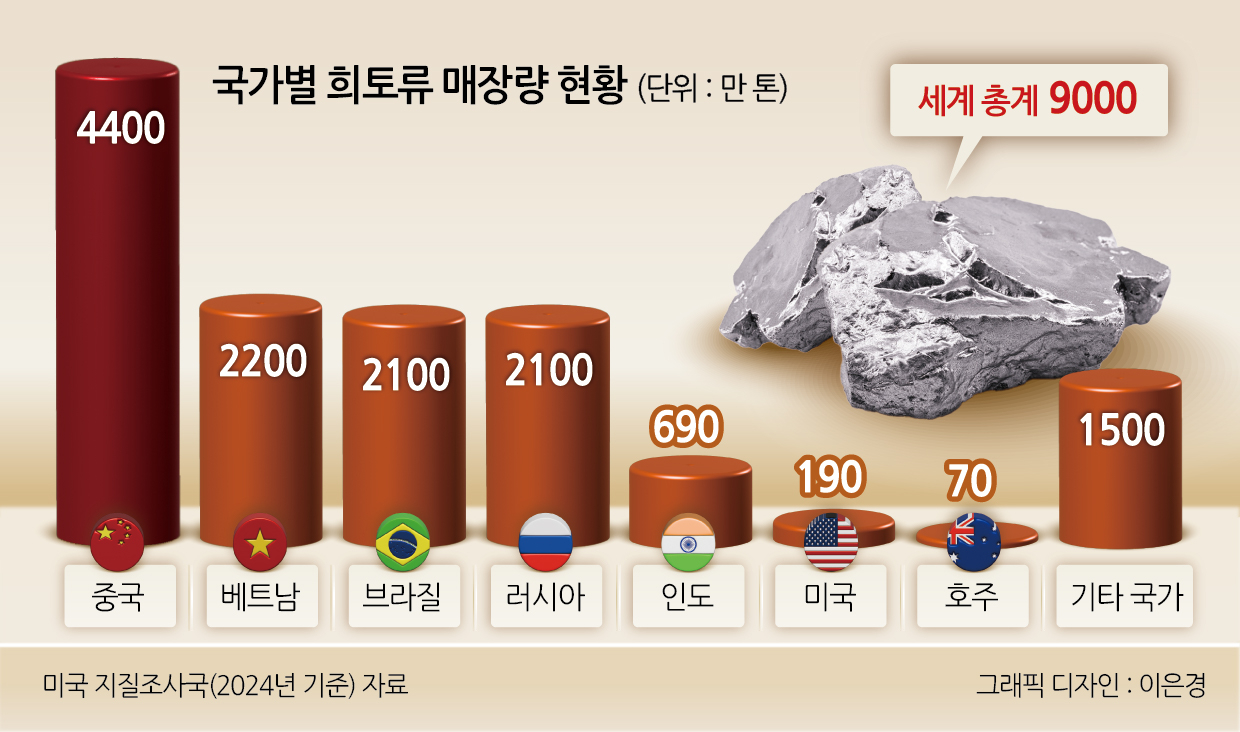
China has already shown how rare-earth dominance can translate into strategic leverage. Controlling about 90% of the global rare-earth magnet supply last year, Beijing used that leverage in trade negotiations with the United States and pressured industries by restricting materials critical to auto, weapons and electronics production.
 Reuters
 Reuters

Experts say this trend is reshaping the nature of power competition. Alice Gower of London political-risk consultancy Azure Strategy said, “Great-power competition has returned to physical resources,” adding that energy, critical minerals and industrial capacity are not just economic assets but “strategic levers.”

For years Western analysts emphasized capital, technology and networks as the keys to competitiveness. But with supply chains being weaponized, geography and resource control have re-emerged as decisive factors. Edward Fishman, director at the American Foreign Policy Council, said, “People talk as if everything is digital, but the physical constraints that drive geopolitics still exist,” citing China’s rare-earth export curbs as a case of economic warfare.

He added, “It’s ironic that even after achieving energy self-sufficiency, the United States still faces physical bottlenecks.”
 Reuters
 Reuters

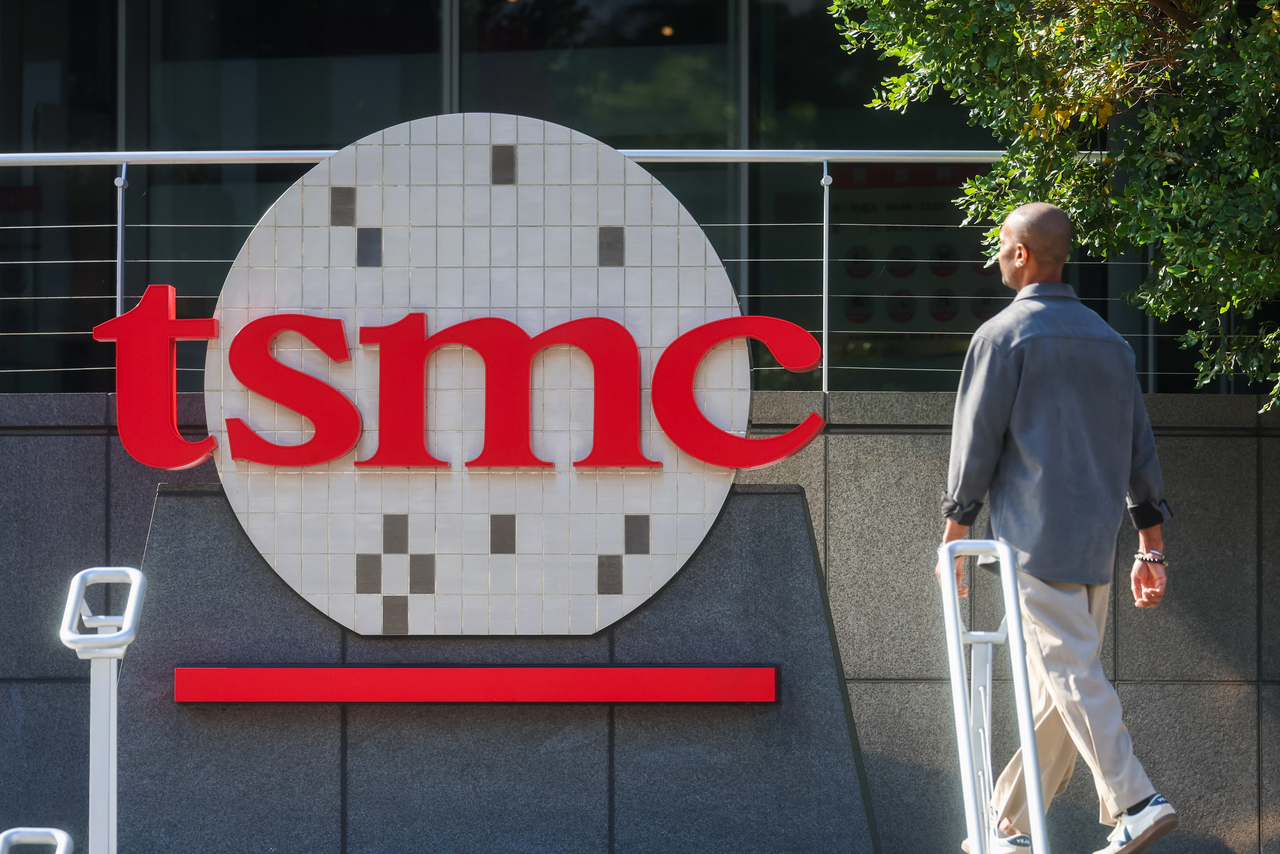
Semiconductors have likewise become a pillar of strategic resilience. The U.S. has pushed global chipmakers such as Taiwan’s TSMC to build plants on American soil to rework supply chains. The aim is to ensure that even if conflict erupts in Asia, U.S. industry will not suffer direct crippling blows.

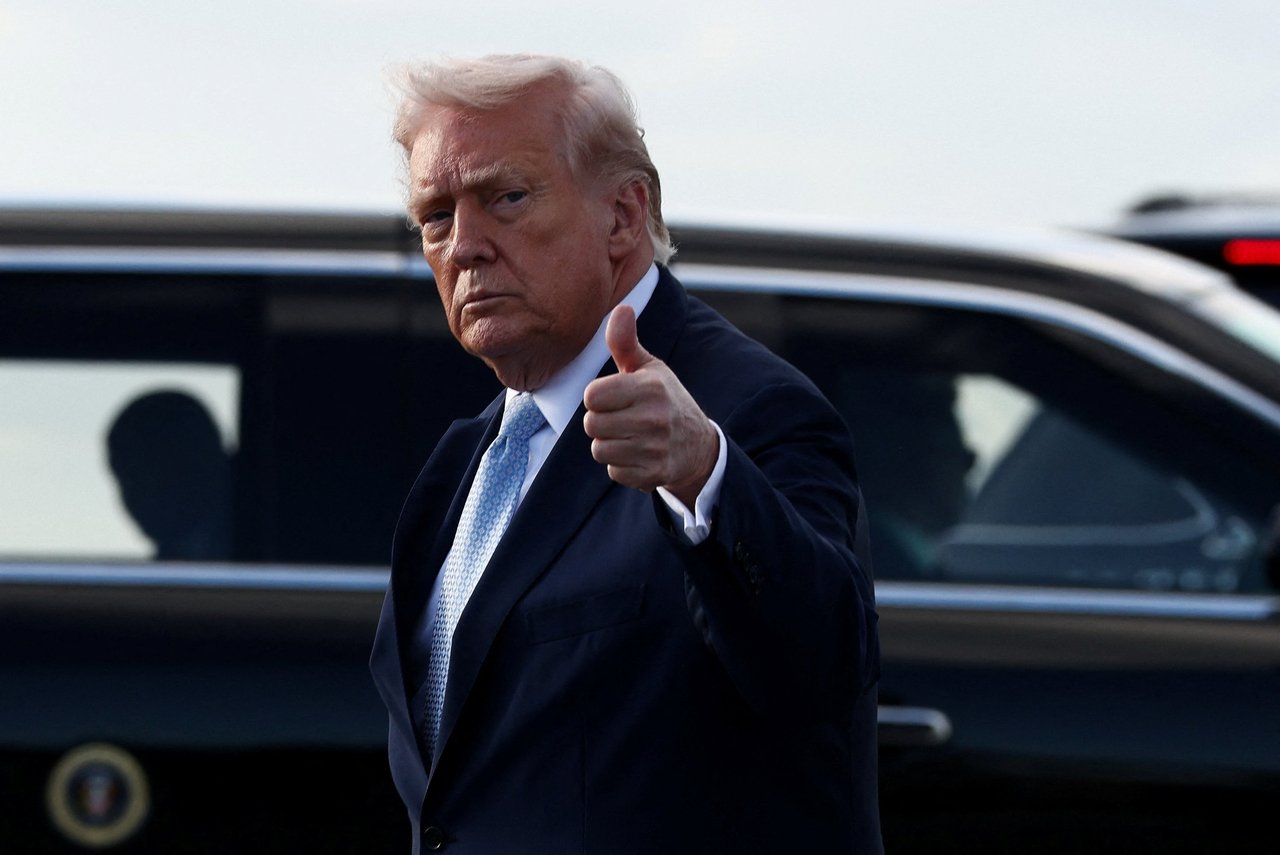
The Trump administration has promoted energy independence and moved to build an “energy fortress” resilient to economic coercion. The White House noted, “As the world’s largest oil and gas producer, the United States does not rely on the Strait of Hormuz like other countries,” and said current military operations underscore the importance of secure, affordable domestic energy production.
 Reuters
 Reuters

But because oil trades on global markets, domestic output alone cannot shield the U.S. from international price spikes and supply shocks.

Competition for resources is intensifying. Last month President Trump unveiled “Project Volt,” a 12 billion USD (approximately 16 trillion KRW) stockpile program for critical minerals to prepare for emergencies. He also sought rare-earth cooperation with Australia’s Lynas.
 Reuters
 Reuters

Rewiring supply chains takes time. Morgan Bazilian of the Payne Institute at the Colorado School of Mines warned, “Policy support is reducing dependence on China, but it still takes years for new projects to reach production.” He cautioned that deteriorating U.S.-China ties could enable further supply disruptions.

The WSJ concluded that “geographic chokepoints like the Strait of Hormuz are not easy to resolve in the short term,” and that countries now face a choice: build alternate routes or strengthen deterrence.

Daniel Kim
content@tenbizt.com

[Military] Latest Stories

  • 30 of 33 Iran Missile Bases Still Active: Intelligence Defies Trump Claims
    30 of 33 Iran Missile Bases Still Active: Intelligence Defies Trump Claims
  • US Javelin Missiles Deployed in Taiwan’s High-Stakes Live-Fire Drill
    US Javelin Missiles Deployed in Taiwan's High-Stakes Live-Fire Drill
  • North Korea’s 10-Year Nuclear Threat: Is a Limited Strike Imminent?
    North Korea's 10-Year Nuclear Threat: Is a Limited Strike Imminent?
  • AI vs. Video Compression: How RMX is Redefining Tactical Edge Tech
    AI vs. Video Compression: How RMX is Redefining Tactical Edge Tech
  • US-South Korea Security Meeting Sparks Tension Over Military Control
    US-South Korea Security Meeting Sparks Tension Over Military Control
  • Iran Claims Missile Strikes on U.S. Military Bases: Did They Hit?
    Iran Claims Missile Strikes on U.S. Military Bases: Did They Hit?

Weekly Best Articles

  • Choi Dong-seok’s Family Bond: How a Simple Engraving Reveals Deep Love for His Children
  • Kwak Sun-hee’s Stunning Wedding Photos: A Celebration of Love and Courage
  • Is ‘I Am a Natural Person’ Just a Big Lie? Comedian Yoon-taek Reveals Shocking Secrets!
  • Health Scare: Why Fans Are Worried About Go Ji Yong’s Dramatic Weight Loss
  • Discover the Winter Gongju Chestnut Festival: A Taste of Korea at H-Mart in the USA!
  • 2026 Spring Wildfire Prevention: How Gyeryong City is Cutting Response Time to 30 Minutes!

You May Also Like

  • 1
    Trump Slashes AI Review Window to 30 Days Amid National Security Debate

    Politics 

    Trump Slashes AI Review Window to 30 Days Amid National Security Debate
  • 2
    Ukraine’s EU Bid Surges as Hungary Drops Opposition Amid Russian Attacks

    Politics 

    Ukraine’s EU Bid Surges as Hungary Drops Opposition Amid Russian Attacks
  • 3
    Trump Backs Colombia's 'El Tigre' — What It Means for U.S. Relations

    Politics 

    Trump Backs Colombia’s ‘El Tigre’ — What It Means for U.S. Relations
  • 4
    Trump Backs Colombia's Far-Right Outsider—What's at Stake?

    Politics 

    Trump Backs Colombia’s Far-Right Outsider—What’s at Stake?
  • 5
    12.5% Tariff Hit: South Korea Faces New U.S. Trade Penalties

    Politics 

    12.5% Tariff Hit: South Korea Faces New U.S. Trade Penalties

Popular Now

  • 1
    12.5% Tariff Alert: Why the U.S. Is Targeting South Korean Imports

    Politics 

  • 2
    Marta Kostyuk Makes History at French Open Amid Ukraine Crisis

    Politics 

  • 3
    37 Years in Exile: The Tiananmen Leader Who Just Wants to Go Home

    Politics 

  • 4
    South Korea's Cheongju Airport Faces Crisis as Passenger Numbers Explode

    Politics 

  • 5
    Nuclear Submarine Race: South Korea's High-Stakes Bid for U.S. Fuel

    Politics 

Weekly Best Articles

  • Choi Dong-seok’s Family Bond: How a Simple Engraving Reveals Deep Love for His Children
  • Kwak Sun-hee’s Stunning Wedding Photos: A Celebration of Love and Courage
  • Is ‘I Am a Natural Person’ Just a Big Lie? Comedian Yoon-taek Reveals Shocking Secrets!
  • Health Scare: Why Fans Are Worried About Go Ji Yong’s Dramatic Weight Loss
  • Discover the Winter Gongju Chestnut Festival: A Taste of Korea at H-Mart in the USA!
  • 2026 Spring Wildfire Prevention: How Gyeryong City is Cutting Response Time to 30 Minutes!

Must-Reads

  • 1
    Trump Slashes AI Review Window to 30 Days Amid National Security Debate

    Politics 

    Trump Slashes AI Review Window to 30 Days Amid National Security Debate
  • 2
    Ukraine’s EU Bid Surges as Hungary Drops Opposition Amid Russian Attacks

    Politics 

    Ukraine’s EU Bid Surges as Hungary Drops Opposition Amid Russian Attacks
  • 3
    Trump Backs Colombia's 'El Tigre' — What It Means for U.S. Relations

    Politics 

    Trump Backs Colombia’s ‘El Tigre’ — What It Means for U.S. Relations
  • 4
    Trump Backs Colombia's Far-Right Outsider—What's at Stake?

    Politics 

    Trump Backs Colombia’s Far-Right Outsider—What’s at Stake?
  • 5
    12.5% Tariff Hit: South Korea Faces New U.S. Trade Penalties

    Politics 

    12.5% Tariff Hit: South Korea Faces New U.S. Trade Penalties

Popular Now

  • 1
    12.5% Tariff Alert: Why the U.S. Is Targeting South Korean Imports

    Politics 

  • 2
    Marta Kostyuk Makes History at French Open Amid Ukraine Crisis

    Politics 

  • 3
    37 Years in Exile: The Tiananmen Leader Who Just Wants to Go Home

    Politics 

  • 4
    South Korea's Cheongju Airport Faces Crisis as Passenger Numbers Explode

    Politics 

  • 5
    Nuclear Submarine Race: South Korea's High-Stakes Bid for U.S. Fuel

    Politics 

Share it on...