
How Will the U.S. Request for Naval Support in the Hormuz Strait Impact Asia’s Energy Security?
Daniel Kim Views
Translation result
|
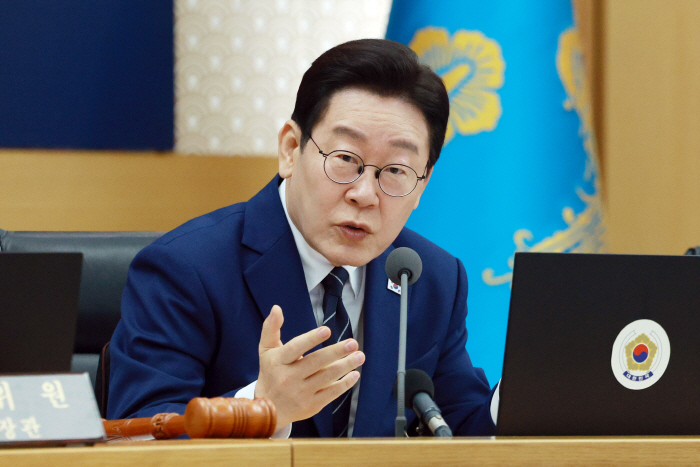
Seoul’s presidential office said on the 20th that it is conducting close, multi-track consultations with key allies, including the United States, after the Trump administration requested allied naval deployments to the Strait of Hormuz.
A senior Blue House official told reporters the situation in the Middle East represents a major international concern and could become protracted. He warned that any disruption to traffic through the Strait of Hormuz would directly affect South Korea’s energy supplies and its economy.
The official said the U.N. Security Council and the International Maritime Organization (IMO) have also urged a coordinated international response. Several countries are assessing how they can contribute to keeping shipping lanes open.
Seoul is reviewing response options based on the principles of protecting international sea lines of communication and preserving freedom of navigation, the official said. He stressed the importance of maintaining maritime order under international law and expressed the expectation that global supply chains will be restored promptly.
However, officials said Seoul will take a cautious approach when it comes to specific measures. The government is examining options comprehensively — taking into account domestic laws and procedures and readiness on the Korean Peninsula — and is seeking choices optimized for the national interest.
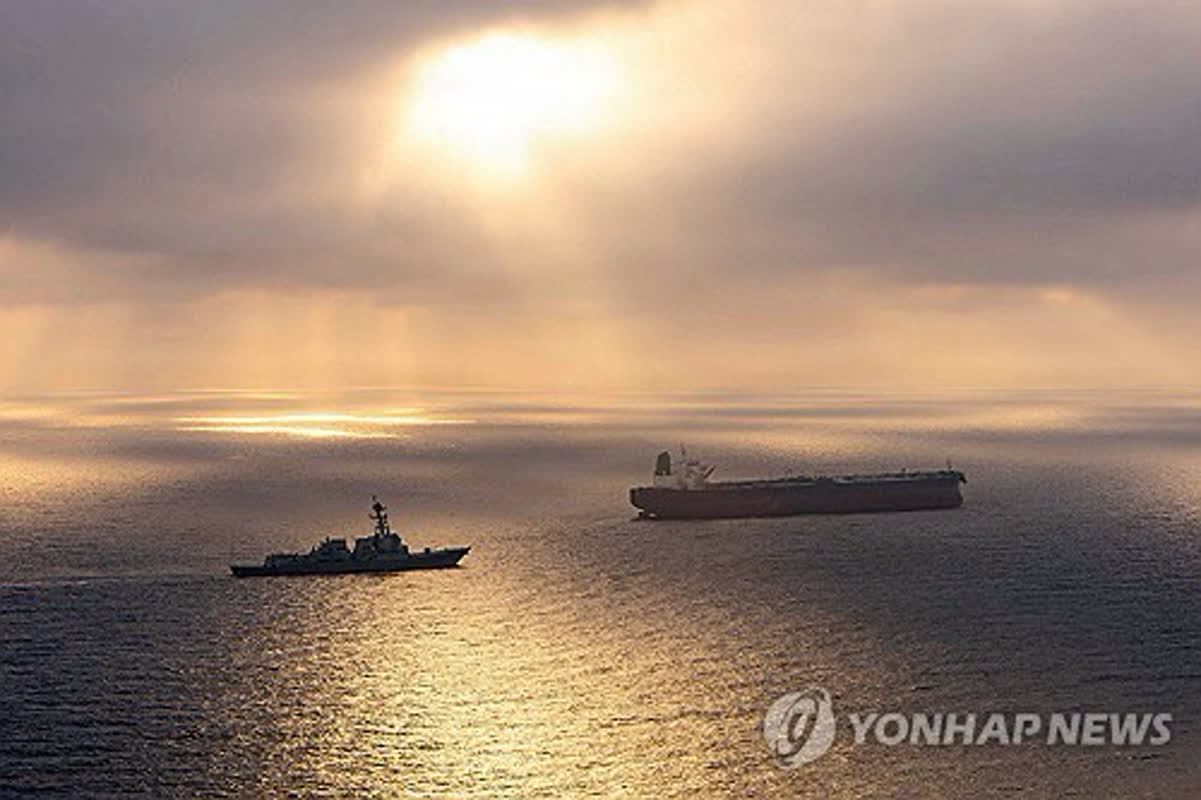
Earlier, President Trump asked allies, including South Korea, to contribute naval assets to secure maritime routes as concerns grew that a clash with Iran could prompt a blockade of the Strait of Hormuz.











Most Commented