
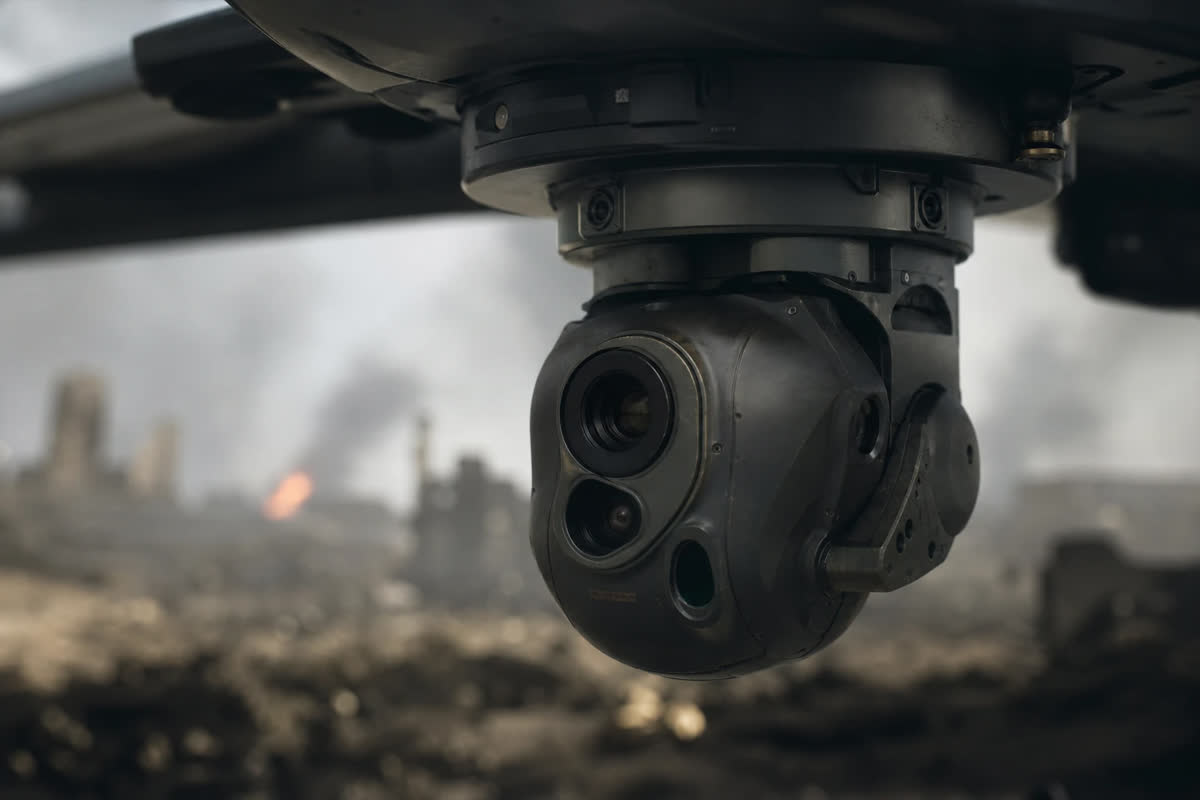
|Korean Air Expands into Defense Sector, Seeking New Growth Opportunities Korean Air is making a bold move to diversify its operations by integrating defense industry capabilities alongside its traditional passenger transport business. The company’s Aerospace Division, responsible for aerospace technology and defense, is expected to turn a profit for the first time in five years. Industry analysts view this strategic shift towards the defense sector as a calculated move by Korean Air to address the inherent vulnerabilities of its passenger-focused operations. These include price competition with low-cost carriers (LCCs), fluctuations in fuel prices, and exchange rate volatility. According to aviation industry sources, Korean Air’s Aerospace Division reported cumulative sales of 471.388 billion KRW (approximately $353.54 million) and an operating profit of approximately 16.574 billion KRW ($12.43 million) for the third quarter of last year. While fourth-quarter results are pending, industry insiders are confident that the division will achieve annual profitability for the first time since 2019, based on the timing of revenue recognition from second-half orders. Projections indicate that the Aerospace Division’s annual sales could reach around 770 billion KRW ($577.5 million) when including preliminary fourth-quarter results. The aviation sector is notoriously susceptible to external factors. Recent challenges include high exchange rates, soaring fuel prices, fierce competition with LCCs, and increased dollar-based costs for fuel and leasing fees. To combat these industry-wide issues, Korean Air is actively pursuing diversification beyond its core passenger business. The defense sector represents a key component of this strategy. Dr. Choi Gi-il, a professor of military studies at Sangji University and Korea’s first Ph.D. in defense acquisition, noted, “Korean Air appears to be aggressively expanding its unmanned combat system capabilities. We can expect to see a strong commitment to growth in the defense sector moving forward.” Hanjin Group Chairman Cho Won-tae has consistently increased investments in aerospace since taking the helm in 2019. During a corporate presentation last March, he emphasized the need for sustained investment in the aerospace industry. In line with this vision, the Aerospace Division is broadening its defense portfolio. A significant win came last April when it secured a 961.3 billion KRW ($720.98 million) contract for upgrading Black Hawk (UH/HH-60) helicopters, outbidding Korea Aerospace Industries (KAI). This contract value is double the Aerospace Division’s projected 2024 revenue. Korean Air is also reportedly involved in modifying aircraft for the Defense Acquisition Program Administration’s second phase of the Airborne Command and Control Aircraft project, awarded to U.S. defense contractor L3Harris. Building on these successes, Korean Air is poised to significantly increase its defense investments this year, with a particular focus on unmanned aircraft systems. The company is currently developing various unmanned platforms for the South Korean military and local governments, including medium-altitude UAVs, low-observable unmanned formations, tactical reconnaissance drones, multipurpose unmanned helicopters, and vertical takeoff and landing drones.
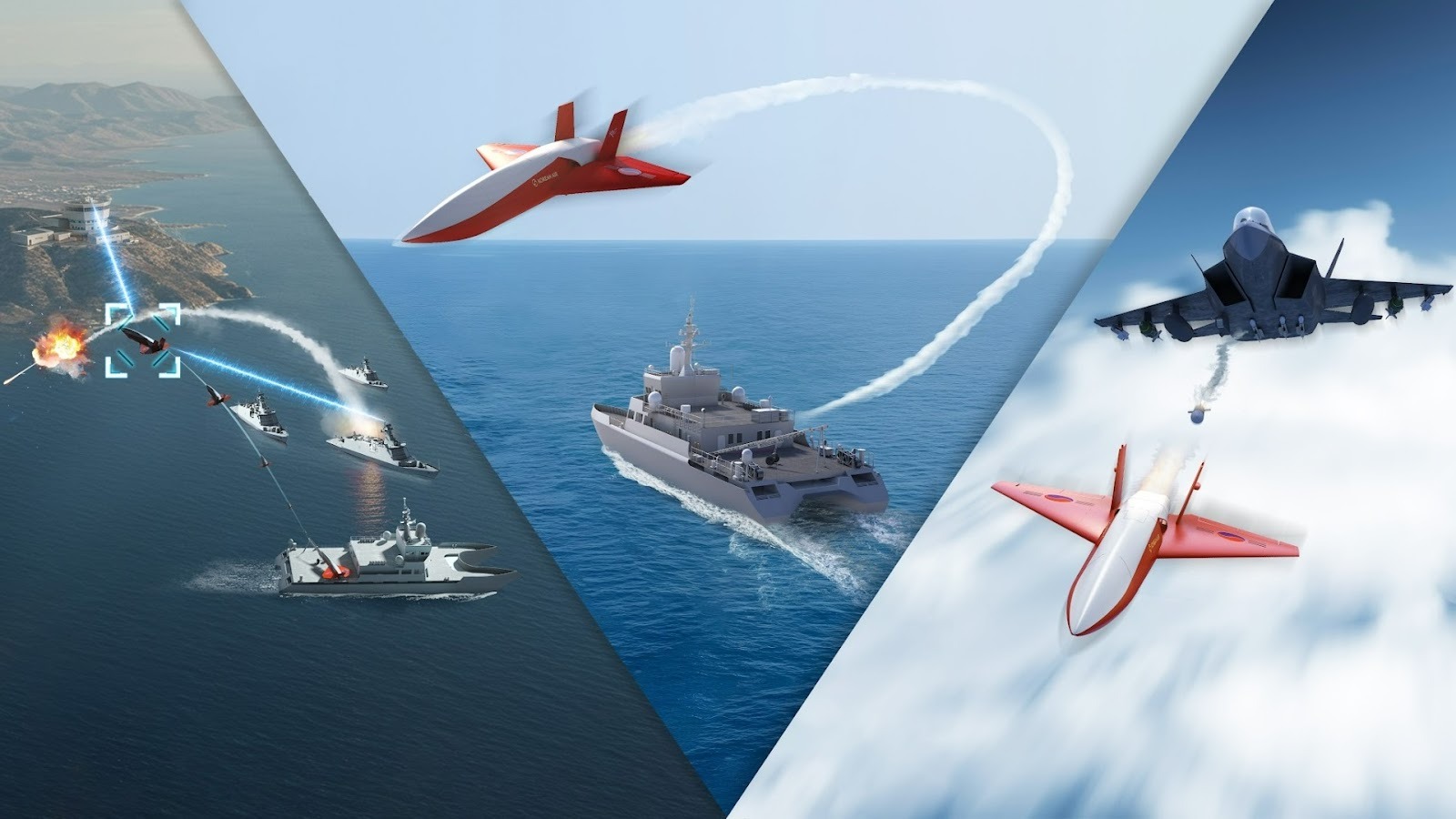
On January 26, Korean Air inked a strategic investment deal with Pablo Aviation, a domestic drone specialist. Pablo Aviation’s expertise lies in swarm artificial intelligence (AI) technology, crucial for next-generation drone operations. This technology enables drones to operate collectively, similar to birds flying in formation. Korean Air aims to integrate Pablo Aviation’s swarm AI algorithms, unified control platforms, and small to medium-sized drone development capabilities into its larger unmanned systems. This move is expected to accelerate Korean Air’s position in the unmanned aircraft market. The company is also setting its sights on global markets. Last August, it partnered with U.S.-based AI defense firm Anduril Industries to make inroads into the international unmanned aircraft sector. Anduril is at the forefront of autonomous flight and AI command systems, leading next-generation unmanned system development for the U.S. Department of Defense. The collaboration aims to develop Korean versions of Anduril’s products, license-produce for export to the Asia-Pacific region, and explore establishing an Anduril production base in Korea.
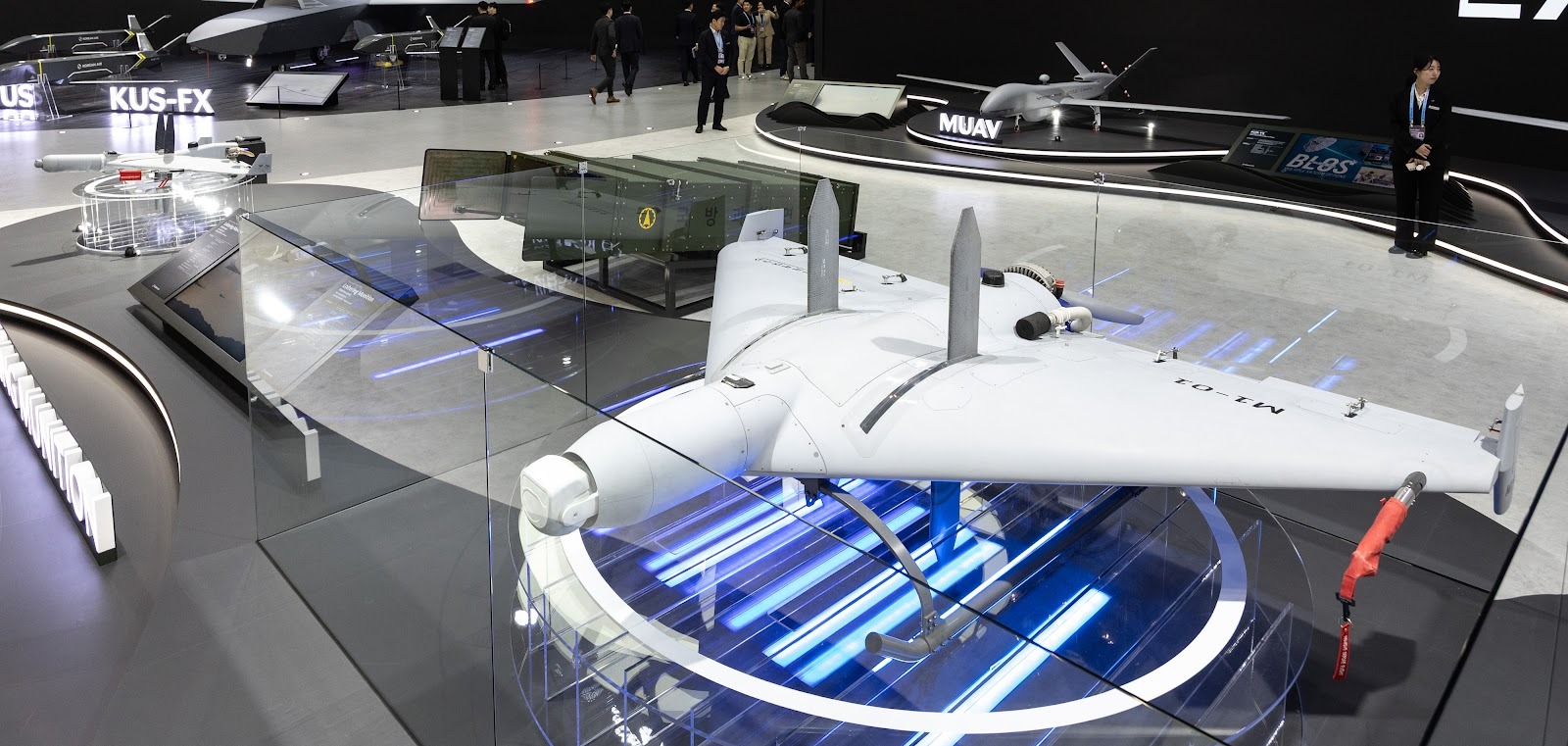
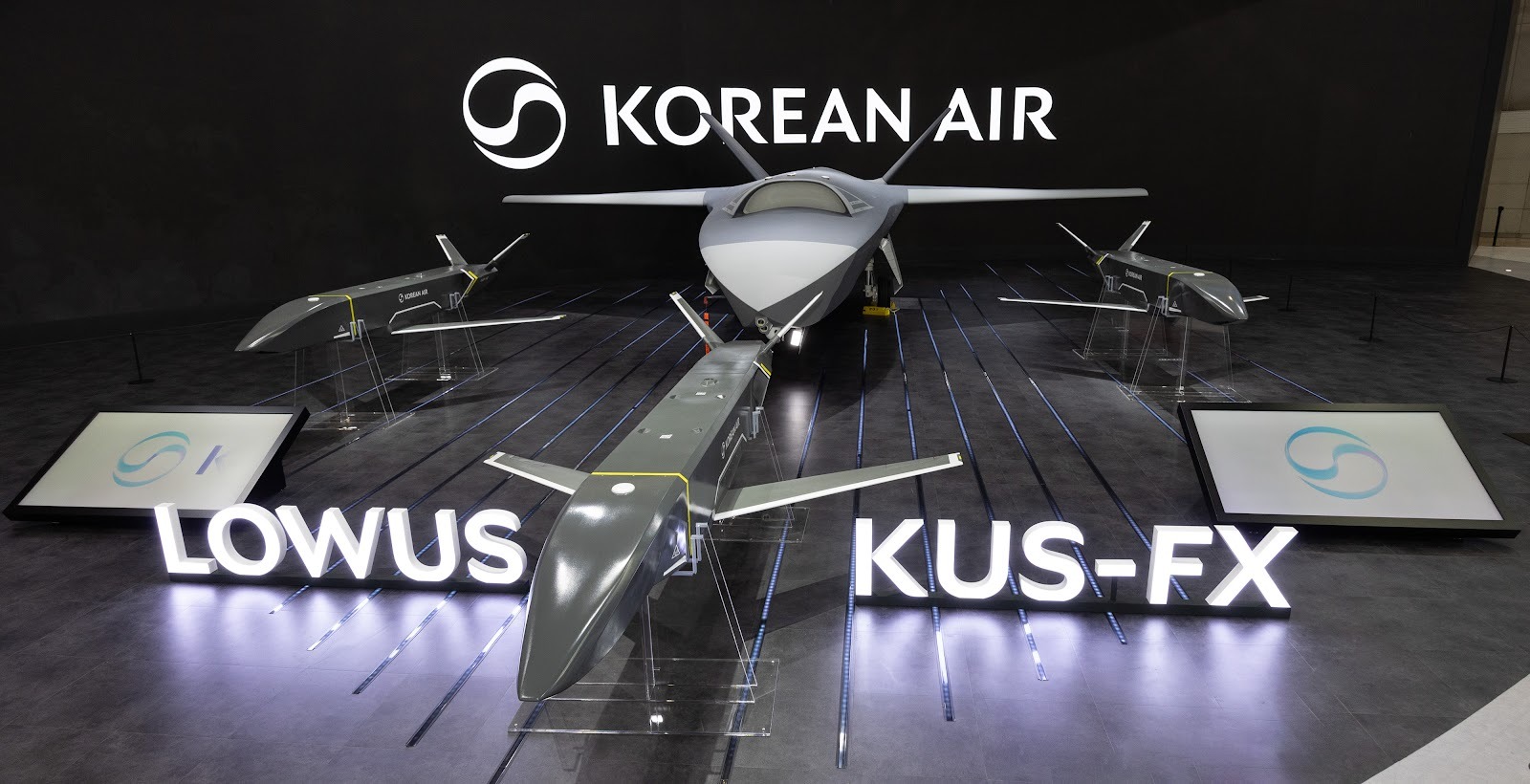
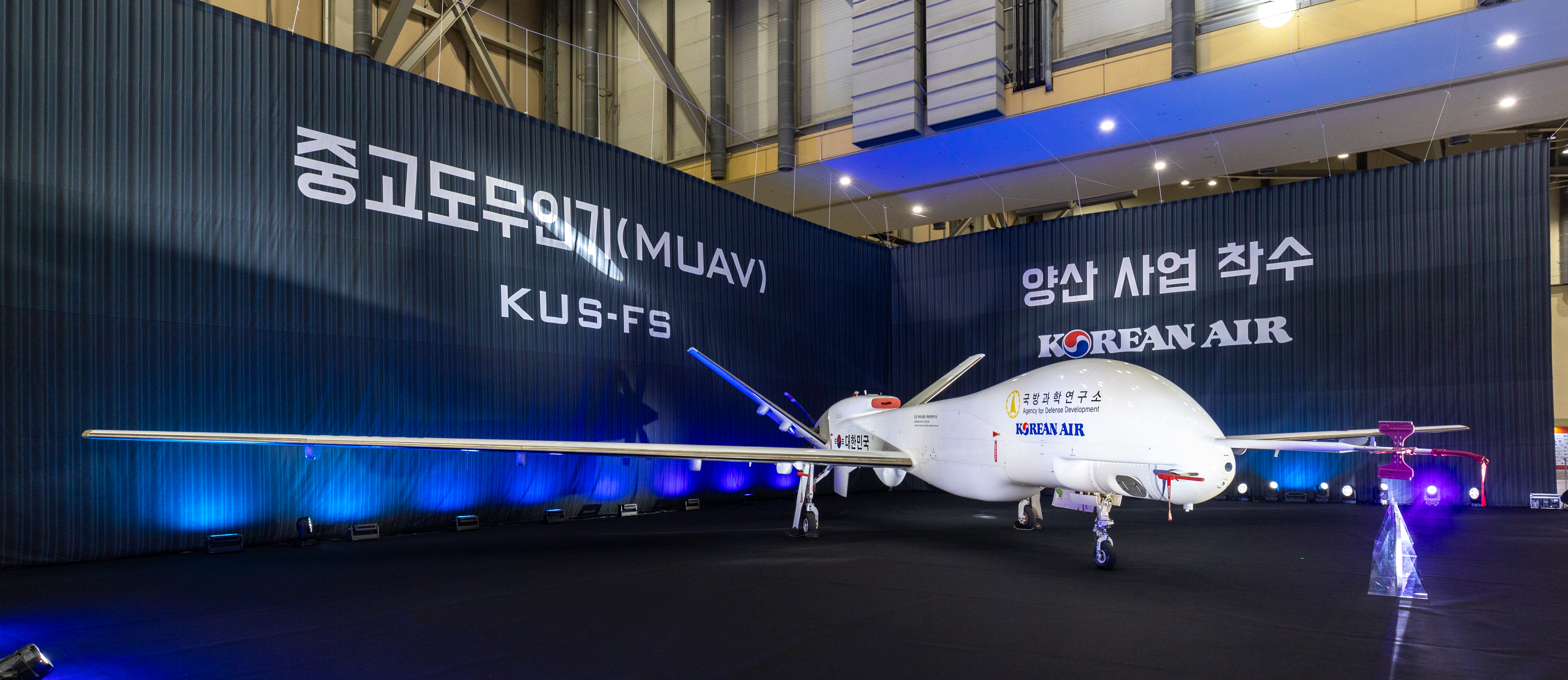
A Korean Air spokesperson stated, “While our aircraft manufacturing sector, previously a major revenue generator for the Aerospace Division, saw significant declines due to the COVID-19 pandemic, we’re now seeing gradual improvement as global supply chains in the U.S. and EU recover.” The spokesperson added, “Our military unmanned aircraft business, which had been operating at a loss due to R&D investments, is now seeing sustained revenue growth. Major contracts, including the Black Hawk helicopter upgrades and the second phase of the airborne command aircraft project, have significantly brightened our performance outlook.”











Most Commented