
Translation result.
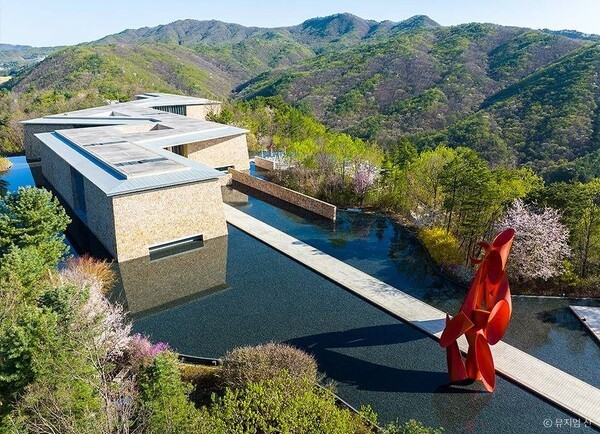
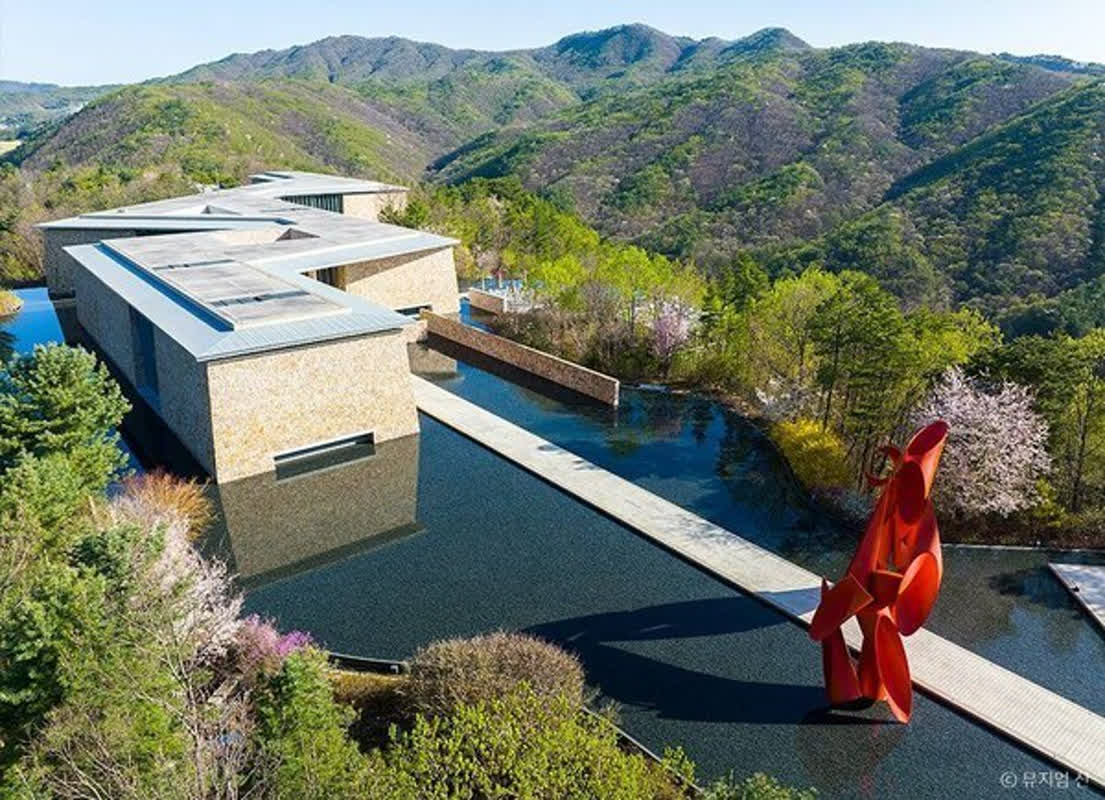
[NewsCulture reporter Lee Jun-seop] Tucked into the foothills near Wonju in Gangwon Province, Museum SAN truly lives up to its name: Space, Art, and Nature braided into one seamless story. Step away from the city’s noise and rush, and as you move inward, the place quietly rewires your senses and your thinking.
The building carries Tadao Ando’s design signature: exposed concrete with disciplined minimalism and carefully framed light. Those elements create a tension and harmony with the landscape, letting the architecture read like a monumental work of art. Whenever straight lines meet curves—or light meets shadow—the space shifts mood and reveals a new face.
James Turrell’s interventions push the museum beyond looking into experiencing. His light-based works turn seeing into active perception, drawing visitors into immersive moments that prompt you to notice your own senses in a fresh, almost intimate way.
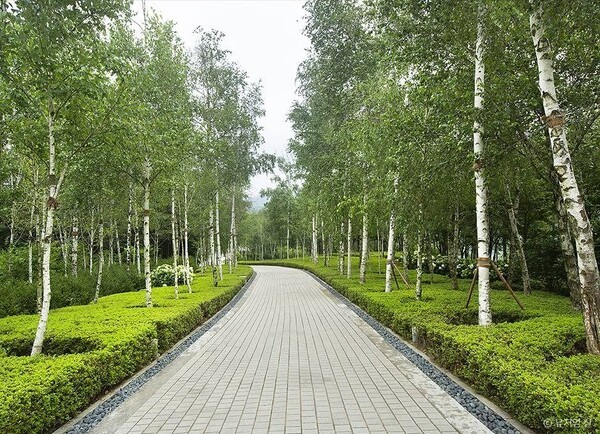
From the welcome center, time seems to unhook from daily life. Walking the woodland path becomes almost ritual—your pace eases and your gaze starts to linger on the surroundings.
In the Flower Garden, the seasons speak loudly. Flowers, plants, and sculptural elements blend into scenes that soothe as much as they delight, making the journey feel more important than any destination.
The Water Garden is one of Museum SAN’s signature moments. Sky and architecture reflect on still water, blurring the line between reality and image. The main building appears to float, and for a moment it feels like time has paused.
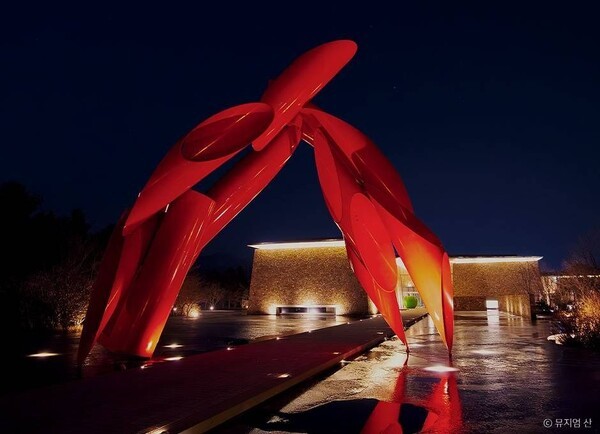
Approaching the main building, architectural tension quietly mounts. Movement becomes choreography, gently directing your attention—space here doesn’t just contain you; it authors the experience.
Inside the main building, four wings connect rectangular, triangular, and circular rooms in a fluid sequence. That layout materializes the architect’s philosophy of linking humans with nature, sky with earth, so visitors feel the concept as they move through it.
Exhibitions span widely, from a Paper Museum exploring the cultural value of hanji (traditional Korean paper) to contemporary works. Different eras and genres flow naturally, giving visitors a sense of both tradition and the evolving currents of Korean art.
Media art and installations change the rules of viewing. Pieces that combine light, video, and material stimulate the senses and invite new interpretations, stretching the visual into the intellectual.
Hands-on programs draw you in: print workshops, educational sessions, and guided docent tours encourage active participation and give art a more dimensional meaning.
The café terrace beside the main building offers another way to take it in. Sitting with 360-degree mountain views gives you time to slowly process the day’s impressions—here, the landscape itself reads like a great work of art.
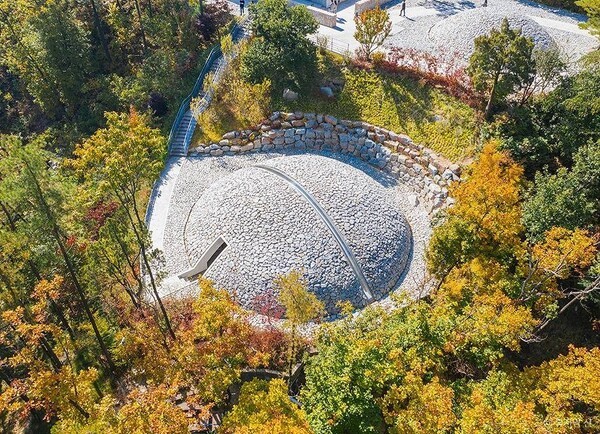
The path to the Stone Garden deepens the mood. A space shaped by stone forgoes ornament for weight and presence, naturally lowering your breath and your gaze—sound and silence become part of the composition.
In the Meditation Hall, the outside world fades almost entirely. Aromas and the resonance of singing bowls fill the air, easing body and mind. Curved windows frame calm views that deepen the stillness, turning the time spent there into a quietly profound experience.
Meditation programs run on fixed schedules with limited participants to heighten immersion and maximize the space’s restorative quality. Though brief, sessions often leave a lingering sense of clarity.
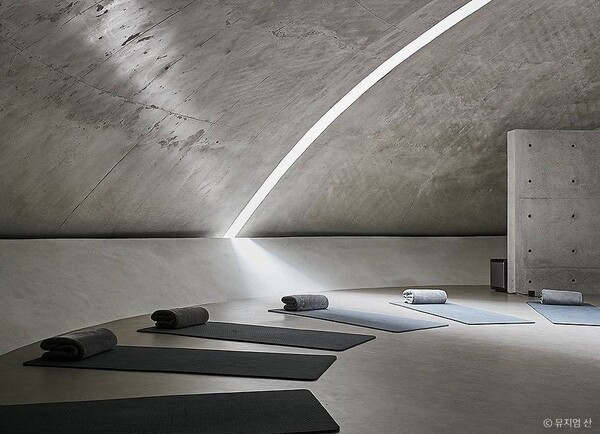
The James Turrell gallery, which rounds out the visit, is the museum’s emotional core. In spaces made of light, your visual reference points shift and familiar sensations are reconstructed into something new.
Installations like the Ganzfeld and the Horizon Room dissolve boundaries and unsettle orientation, prompting visitors to rediscover their sense of self. It becomes less about looking and more about exploring sensation.
The museum’s full route runs about 1.6 miles (2.5 km), and taking it all in slowly requires time. That time isn’t a checklist; it accumulates as a process of facing both the space and yourself.
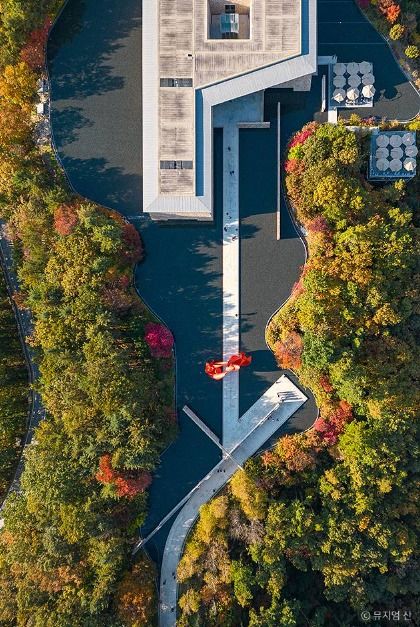
One of the museum’s greatest charms is how it changes with season and weather. On clear days, light slices the spaces crisply; on overcast days, the architecture’s density and hush deepen—so the same spot can evoke very different feelings.
Being about an hour and a half from Seoul makes the place even more appealing. A short trip takes you into a space with a completely different rhythm, creating distance from everyday life.
In the end, Museum SAN offers a simple invitation: slow down for a moment in a fast life, and take time to look again at space, light, and your own senses.
NewsCulture Lee Jun-seop rhees@nc.press









Most Commented