
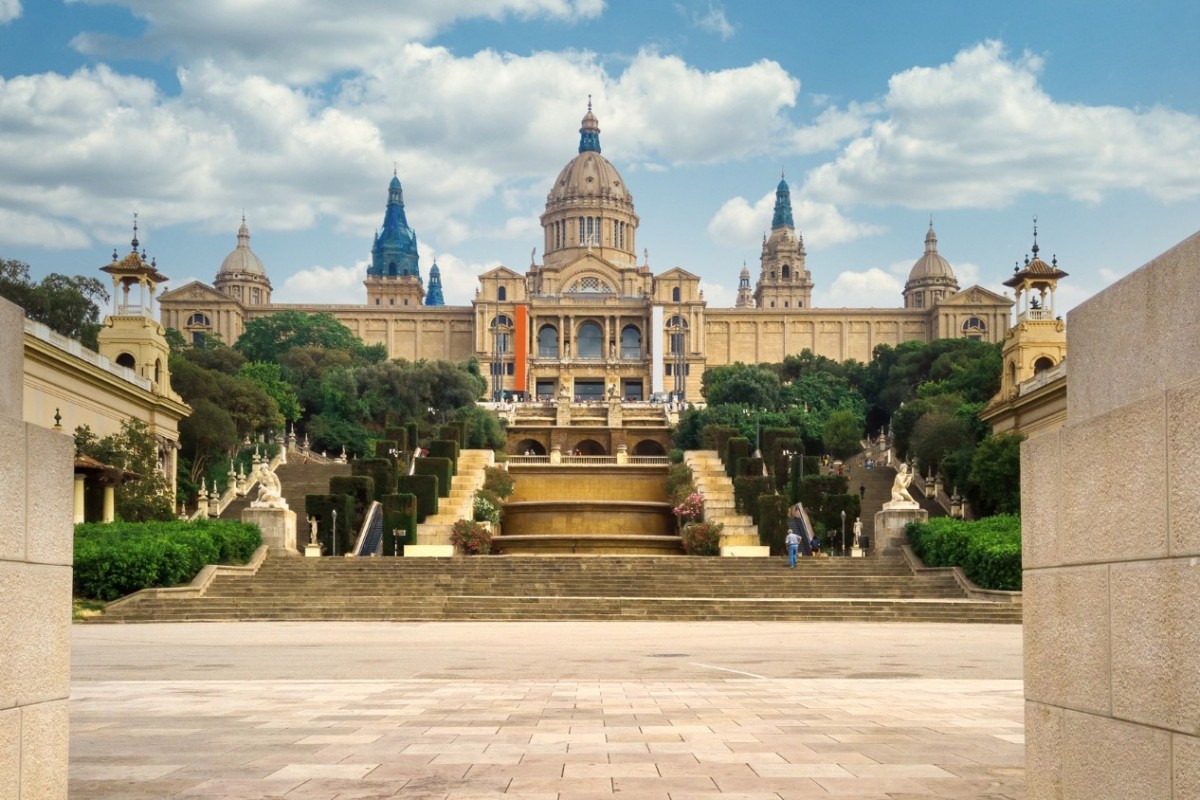
Spain—the sun-soaked dream destination—and Portugal, with all its Atlantic romance. You’ve already secured the plane ticket, which is the first must-do for an independent Spain–Portugal trip, but now comes the real question: how do you take on this vast Iberian playground without burning out?
From timing your train bookings to choosing the coziest neighborhoods, we’ll sort the logistics so you can get into vacation mode faster.
Set your In–Out (arrival/departure)

Your route will make or break the trip. To explore the peninsula without wearing yourself out, pick either Spain in and Portugal out—or the reverse. The classic itinerary is arriving in Barcelona, hitting Madrid and Seville, then heading by land into Lisbon or Porto.
Ending in Portugal after feasting on Spain tends to leave the trip lingering in your memory. If time is tight, resist the urge to cram too much in: for trips of nine days or fewer (seven nights or less), you’ll be far happier focusing on two to three Spanish cities plus one Portuguese city rather than trying to deep-dive both countries.
Key tips for moving between cities

Cutting travel time in Europe means saving money and energy. Use Spain’s high-speed RENFE trains to hop between major cities like Madrid, Barcelona and Seville.
Score the best fares by booking RENFE tickets early—early-bird fares typically open two to three months before departure. If you snag them at the right time, you can pay less than half of what on-the-spot fares cost.
For cross-border legs—say, Seville to Lisbon—travelers often take overnight FlixBus services or fly with a budget airline. If you choose to fly, check baggage rules in advance so you don’t get hit with surprise fees.
Choosing where to stay
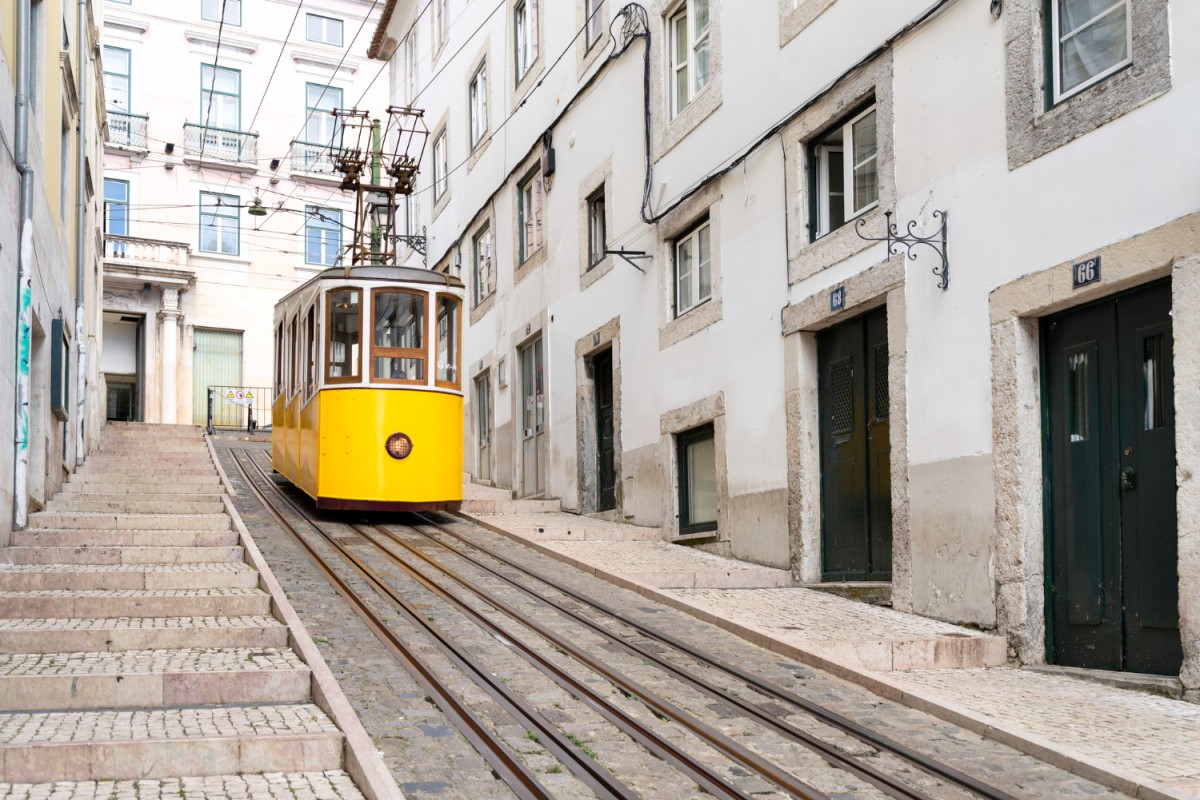
Don’t pick a place just because it’s cheap. On the Iberian Peninsula, old towns, hills and train-station locations vary dramatically by city, and your lodging choice can make or break how easy your days feel. In Barcelona, prioritize areas near Plaça de Catalunya, the Eixample or the Gothic Quarter.
Those neighborhoods put you within easy reach of major sights and public transit—perfect if it’s your first time. In Madrid, aim for Puerta del Sol, Gran Vía or the area around Atocha station. In Seville, choose somewhere inside the old town or close to the cathedral.
Lisbon’s streets are famously steep, so pick Baixa or the Rossio Square area to minimize climbs. In Porto, favor places near São Bento station, the Ribeira or Bolhão Market.
Regional must-dos
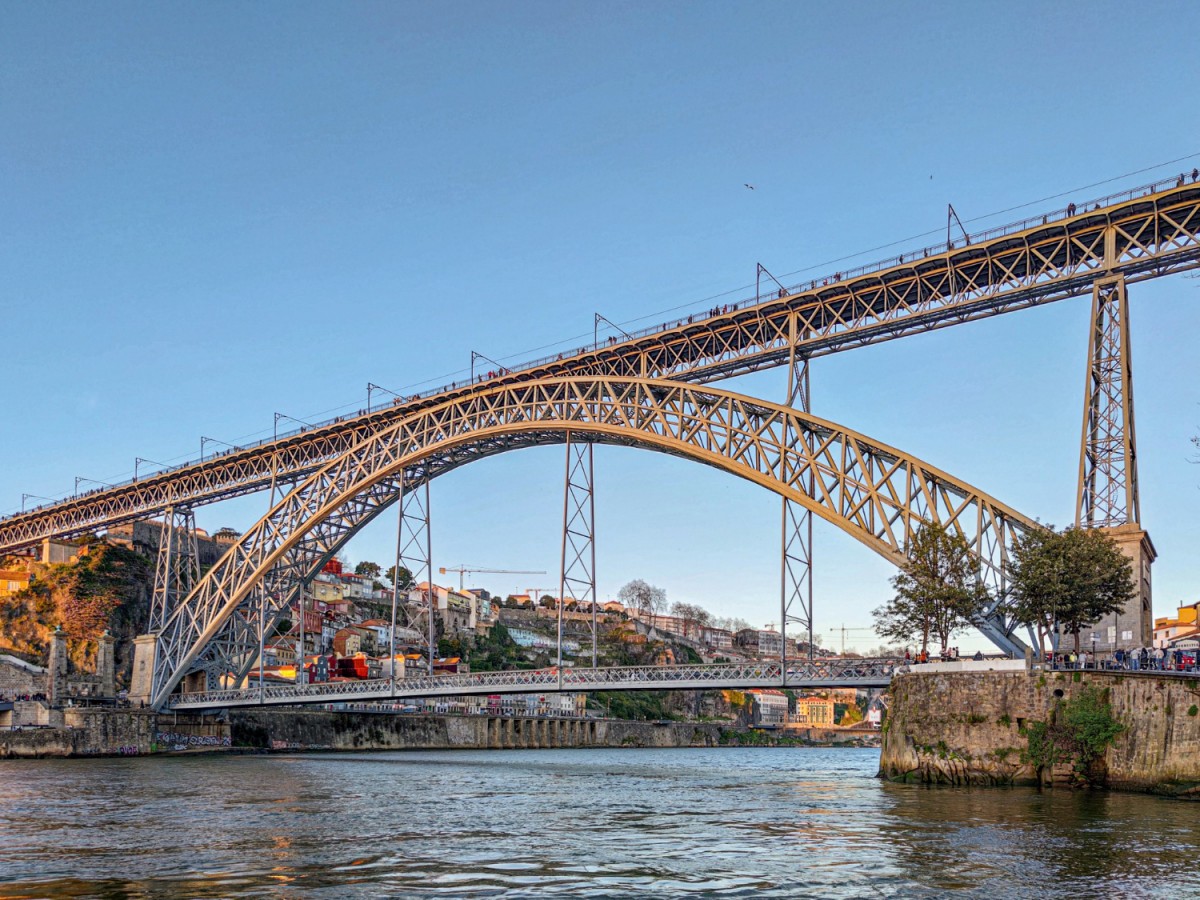
The Iberian Peninsula changes character city by city, so carve out time for each region’s signature experiences. In Barcelona, dive into Gaudí’s whimsical world. In Seville, don’t miss a live flamenco performance. The Alhambra in Granada is in high demand—book at least a month ahead to avoid disappointment.
Across the border in Portugal, visit the fairytale town of Sintra near Lisbon. In Porto, a riverside stroll at golden hour—when the lights come on and the city glows—is a truly romantic, unforgettable moment.
The secret to a successful trip is pacing your schedule so you can savor each city’s unique charm without rushing.















Most Commented