
The overseas spots millennials loved a decade ago? They’re having a serious comeback.

On the 27th, Airbnb released its global summer travel trends, highlighting three big themes for the season: playcations, short-distance getaways, and nostalgia-driven trips.
In South Korea, demand for domestic travel has jumped, with hobby-focused nearby trips standing out. A playcation is exactly that—picking a destination based on an activity you love, like surfing or water sports.
People are also favoring vacations close to home: about one in three travelers spends summer near where they live. A FocalData survey found 86% of travelers—and 94% of Gen Z—expressed interest in visiting small regional towns.
Interestingly, places that peaked in popularity 10 years ago are trending again. Thailand’s Surat Thani, Greece’s Folegandros, Brazil’s Ubatuba, and Spain’s Zaragoza have seen Gen Z bookings climb more than 20% compared with a decade ago. Rather than retracing the exact tourist trail, Gen Z is expanding searches into nearby, less-famous areas.
Thailand’s Eden: ancient rainforest and emerald lakes
Surat Thani, in southern Thailand, has quietly reclaimed the spotlight and is one of this year’s must-watch destinations. Once dismissed as a simple stopover for Koh Samui or Koh Phangan, it’s now being celebrated as an ecotourism gem.
The revival comes down to well-preserved nature. Previously overshadowed by flashier island beaches, Surat Thani is finding its moment as travelers seek environmental responsibility and genuine rest. As one of Thailand’s largest provinces, it shelters vast national parks and millennia-old limestone ranges. Stronger government support for sustainable tourism has also led to new infrastructure that lets visitors enjoy upscale, low-impact escapes in untouched surroundings.
Top three must-see spots in Surat Thani
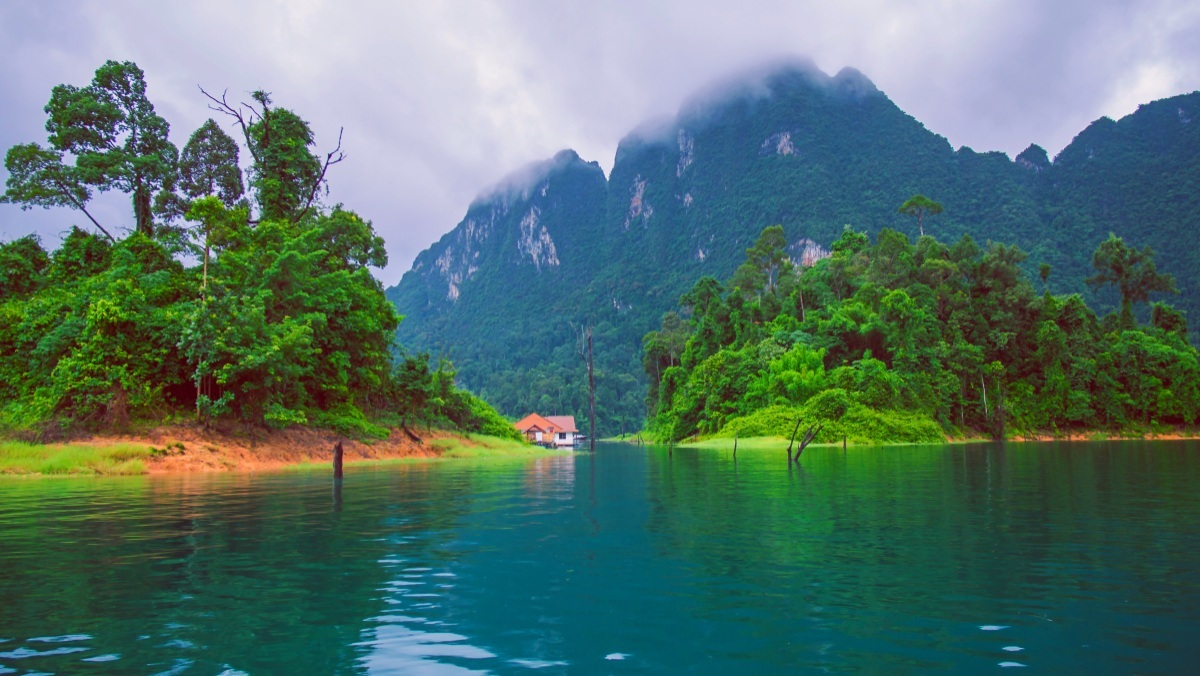
If you want Surat Thani’s magic in concentrated form, start with Khao Sok National Park. Formed around 160 million years ago, it’s one of the world’s oldest tropical rainforests. Reportedly home to greater biodiversity than the Amazon, it’s a place where sheer cliffs and dense jungle put you face-to-face with wild monkeys and rare birds—pure, unforgettable nature exploration.
It’s also one of the rare spots to see the Rafflesia—the world’s largest flower—which can reach about 1 m (roughly 3.3 ft) across. The Rafflesia takes nearly a month to bloom and then only stays open for about 5–7 days. Without leaves or the ability to photosynthesize, it lives as a parasite attached to vines on the forest floor.
Guided jungle treks let visitors observe wild monkeys, gibbons, and rare birds up close. At night, guided safaris reveal a completely different side of the jungle. Bamboo-raft river trips are available too, though authorities now limit daily visitors to protect the area.
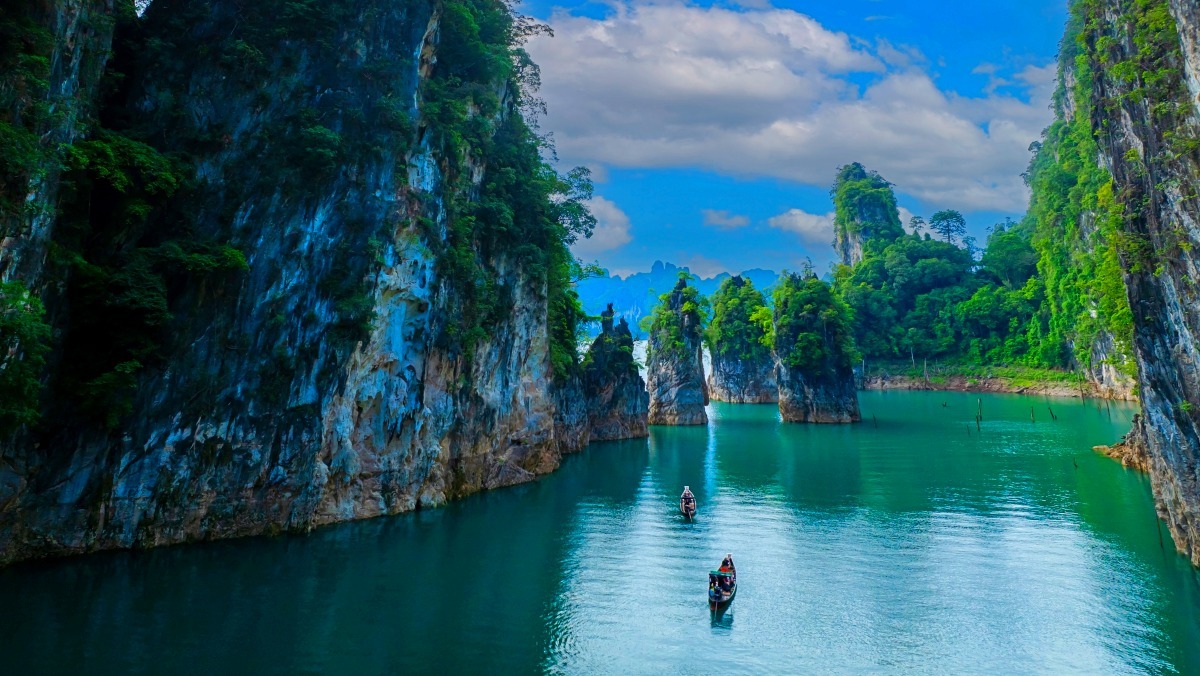
Nicknamed “Thailand’s Guilin,” Cheow Lan Lake is an artificial reservoir created by the Ratchaprapha Dam. Stretching across about 165 km² (roughly 63.7 sq mi), hundreds of limestone pinnacles jut from the water, giving the place an almost surreal vibe. The lake’s icon, Khao Sam Kler (Three Brothers Rocks),—three towering limestone peaks side by side—is a photographer’s must.
The real treat? The floating bungalows. Most come with a private kayak tied up outside your room, so you can paddle into the lake’s calm interior and soak in the silence. Cell service is patchy in many spots, making for an ideal digital detox. By day you can swim in emerald waters; by night you’ll be under an incredible canopy of stars—often the trip’s highlight.
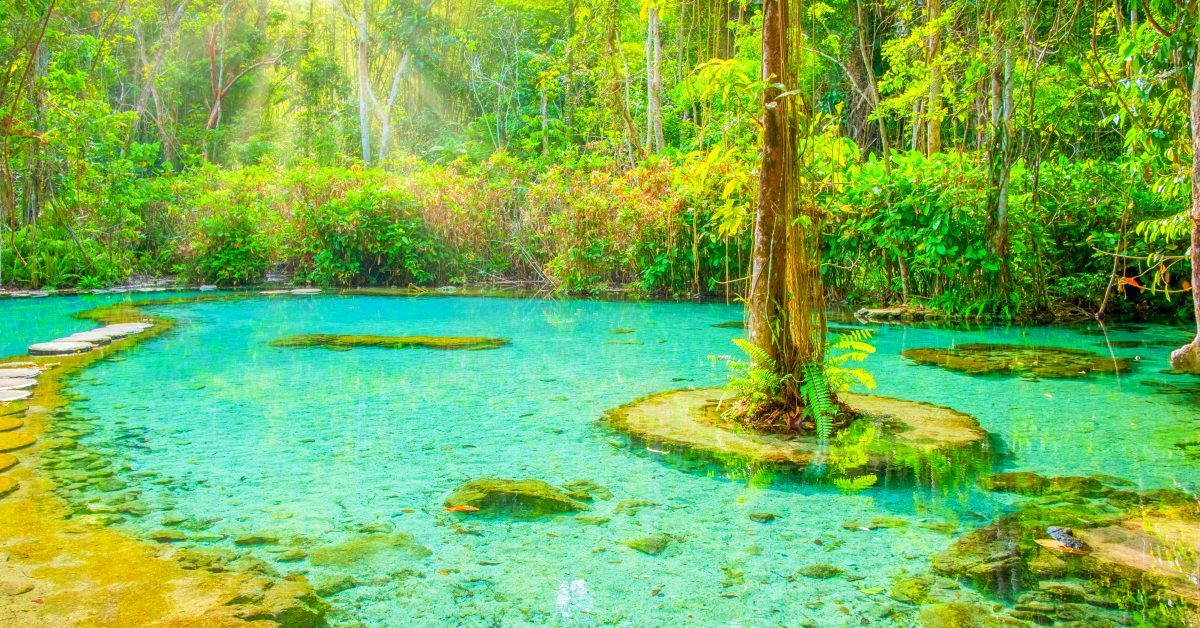
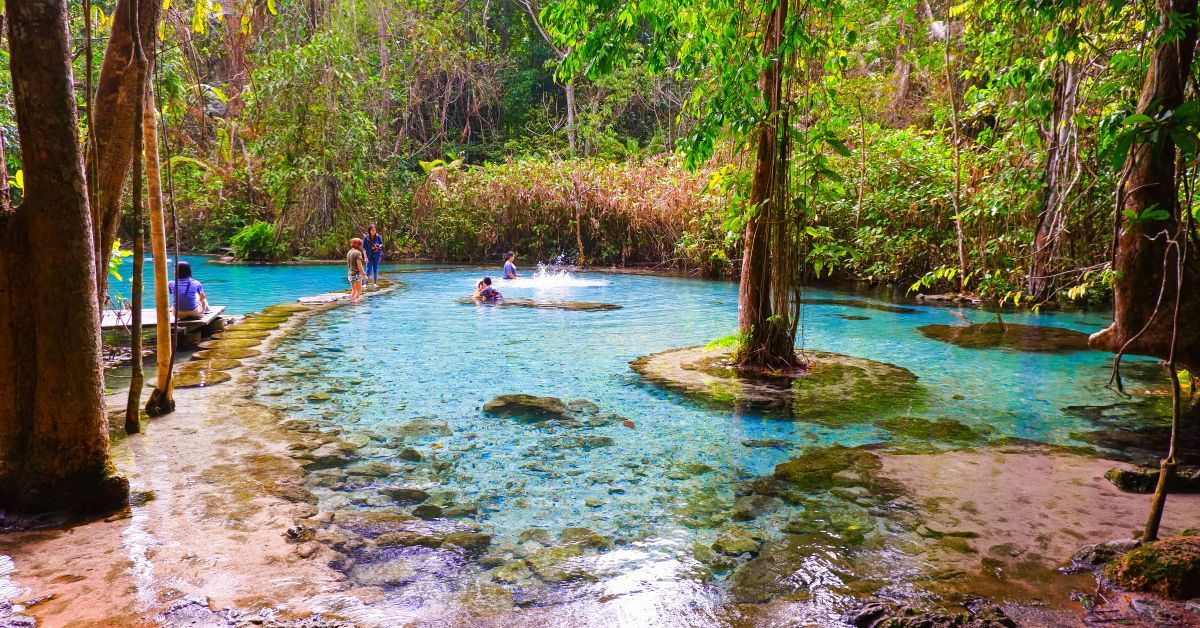
Ban Nam Rat forest spring(Ban Nam Rat) was once sacred to locals and, since opening to the public, has become a fresh landmark in Surat Thani. Natural springs bubble up beneath the surface to form crystal-clear pools. The water is so transparent the sandy bottom and fish look like they’re floating in midair. The surrounding forest acts as a natural filter, keeping the water astonishingly clear.
You can swim in the pools or rent a boat to explore the forest’s waterways. The shallow depth and gentle currents make it a safe, family-friendly spot. Strolling the trails around the spring delivers cool, restorative air—and a real sense of being renewed by nature.
Thanks to its role as a southern transport hub, Surat Thani is easy to reach. From Bangkok, dozens of domestic flights depart daily from both Suvarnabhumi and Don Mueang airports, with a flight time of about 1 hour 10 minutes.
If you prefer traveling by land, try the overnight sleeper train from Bangkok—the so-called “Bangkok sleeping train”—for a cozy night-journey experience. From the station to town, affordable local rides like songthaews or tuk-tuks are available. Book through the State Railway of Thailand (SRT) D-Ticket service.
When’s the best time to visit Surat Thani?
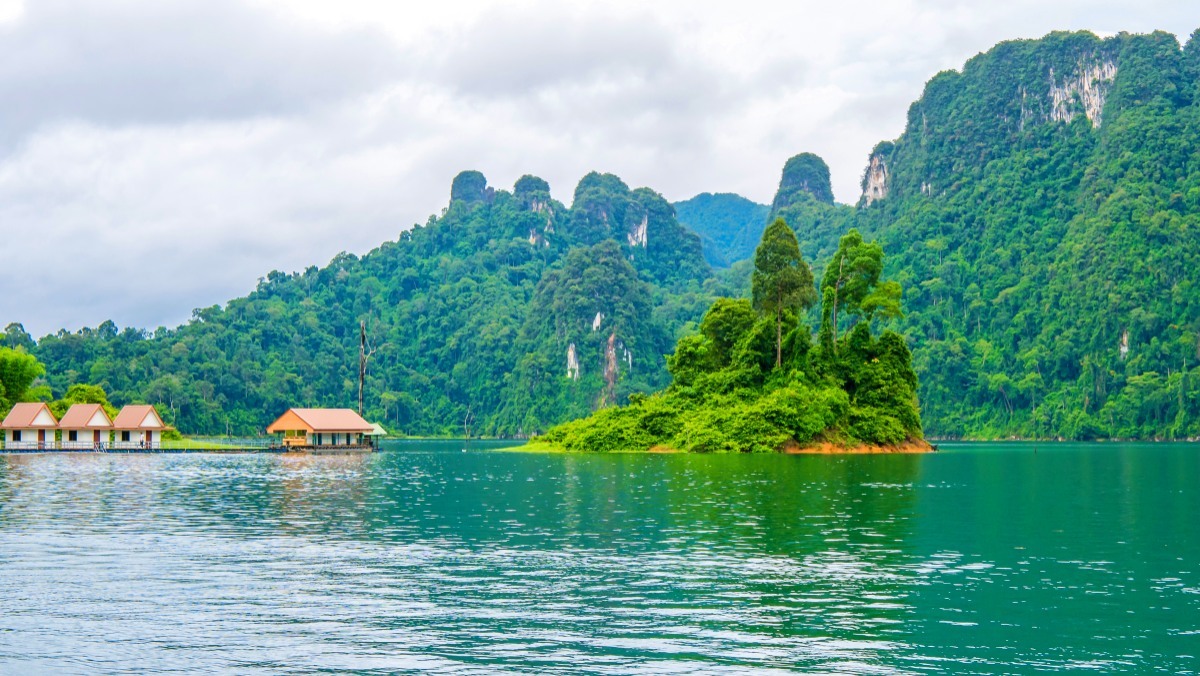
Surat Thani has a tropical climate, with average temperatures between about 25–33°C (77–91°F). Warm weather year-round means water activities are always an option, but rainfall can change the vibe.
The most pleasant time to visit is the dry season, January through April—clear skies and the best visibility for Cheow Lan Lake. The rainy season runs from May through October; the landscape turns even lusher and waterfalls grow more dramatic. If you can dodge the short, heavy showers, you’ll find lower prices and fewer crowds. Note that monsoon effects in November and December can bring frequent rain, so plan carefully if your trip depends on outdoor activities.










Most Commented