
Translation result
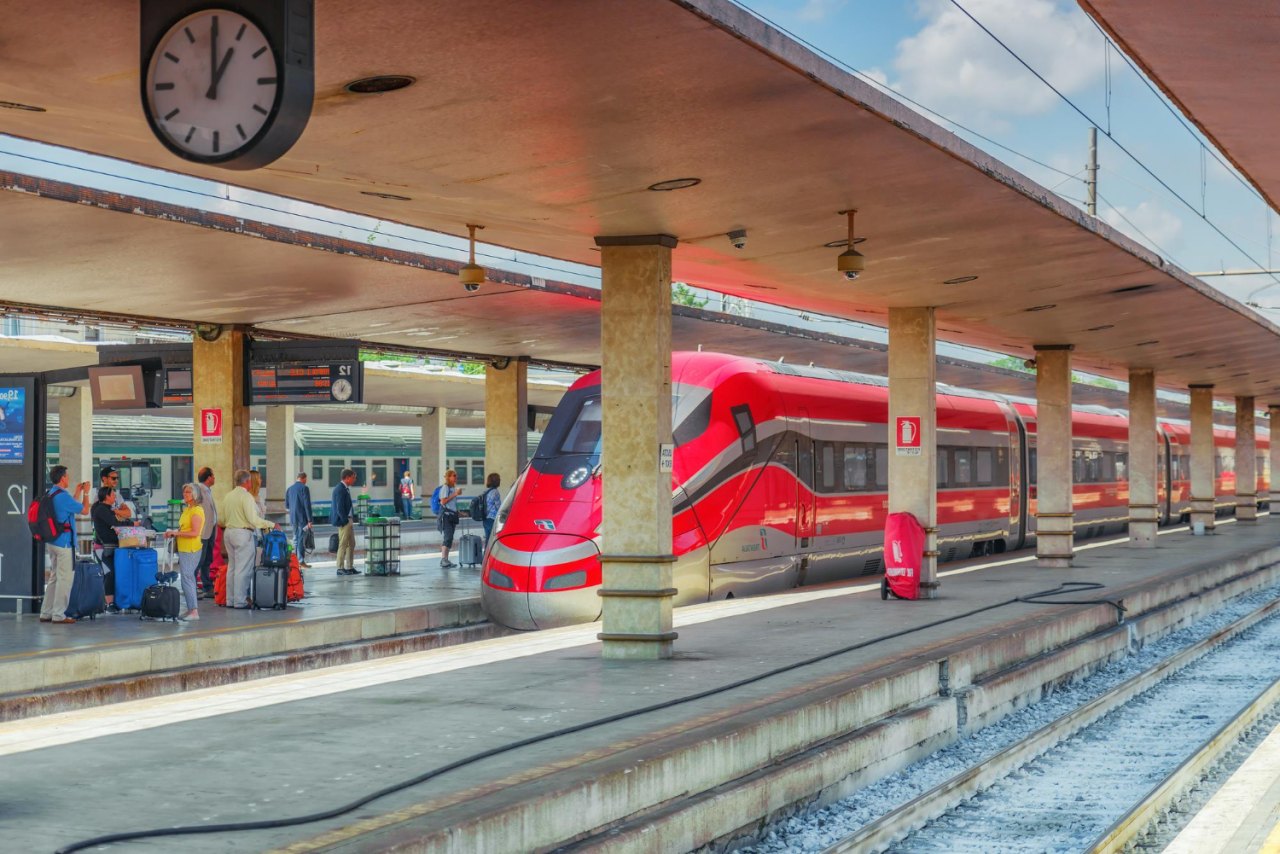
Thinking about traveling solo in Western Europe? Do it. In many ways, Western Europe is actually better suited for solo travel than packaged tours. Trains are reliable, English gets you pretty far, and most cities feel safe.
If it feels daunting, it’s usually because you don’t know where to start. Below are clear, practical points to help you get going.
What is Western Europe like?
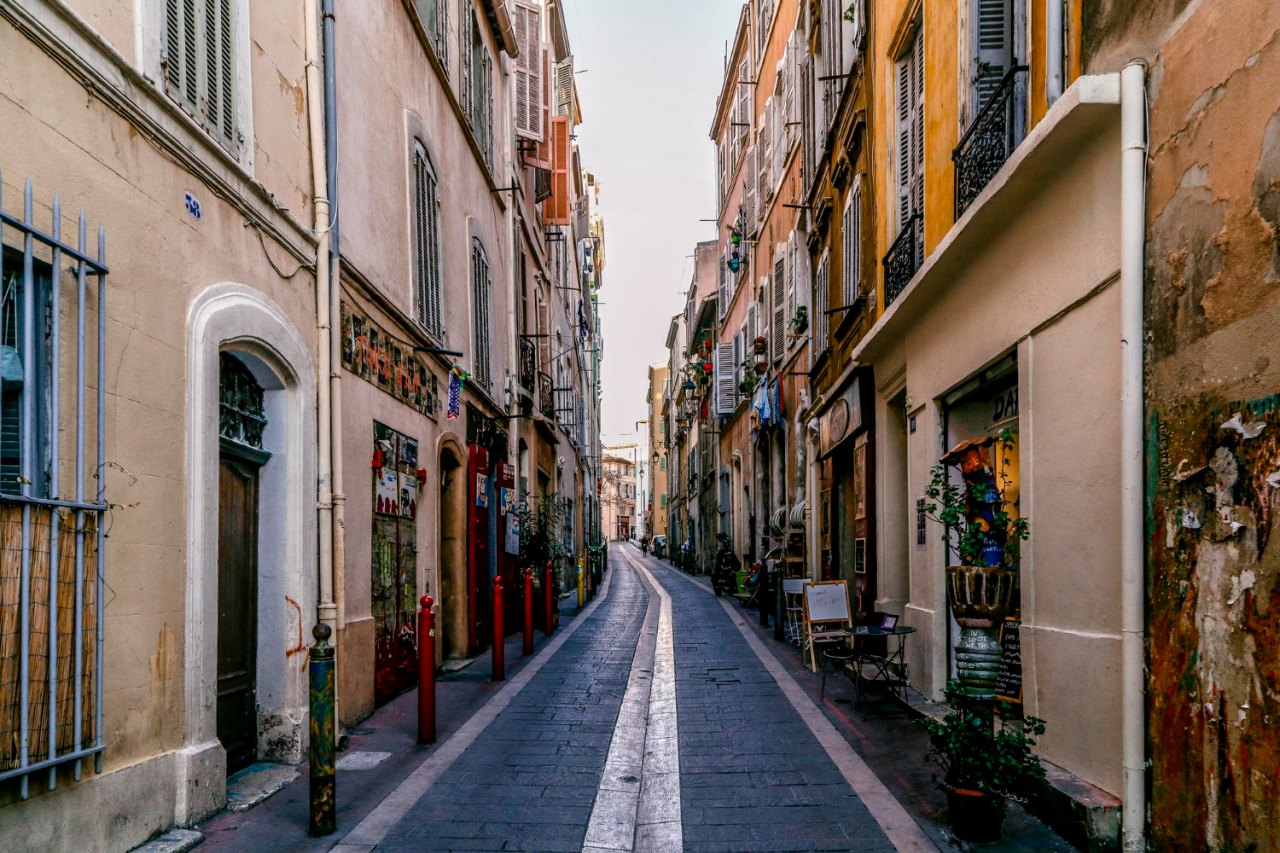
The main countries for independent travel in Western Europe include France, the United Kingdom, Spain, Portugal, Germany, the Netherlands, Belgium, Switzerland, and Italy. Many of them are in the Schengen Area, so once you enter you can move between countries without extra visas. South Korean passport holders can stay visa-free for up to 90 days—one of the biggest perks of this region.
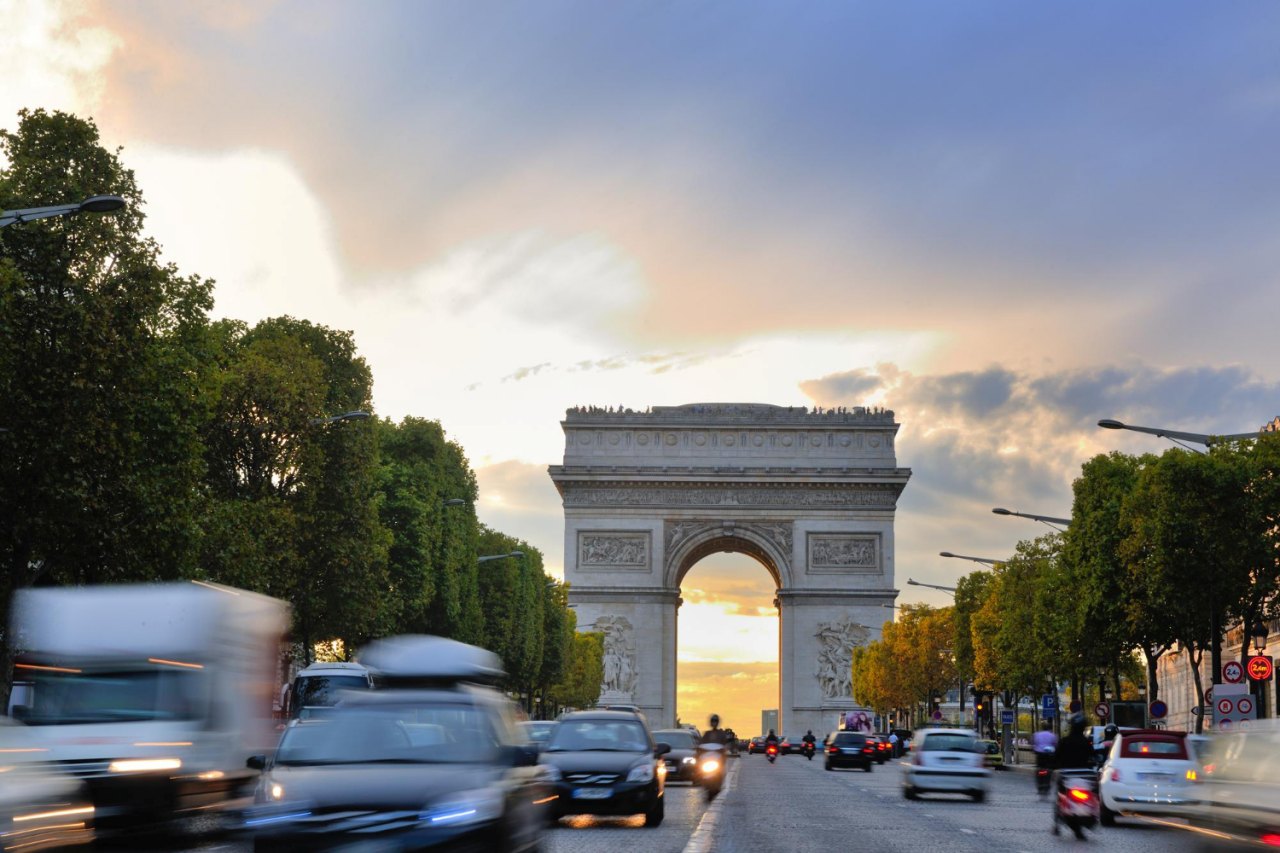
Cities are clustered close together, so getting around is much easier than you might expect. Paris to Brussels by train is about 1 hour 20 minutes, and Paris to Amsterdam is roughly 3 hours 30 minutes. Crossing countries by train—no plane required—is one of the best parts of a Western Europe trip.
Suggested solo itineraries for Western Europe
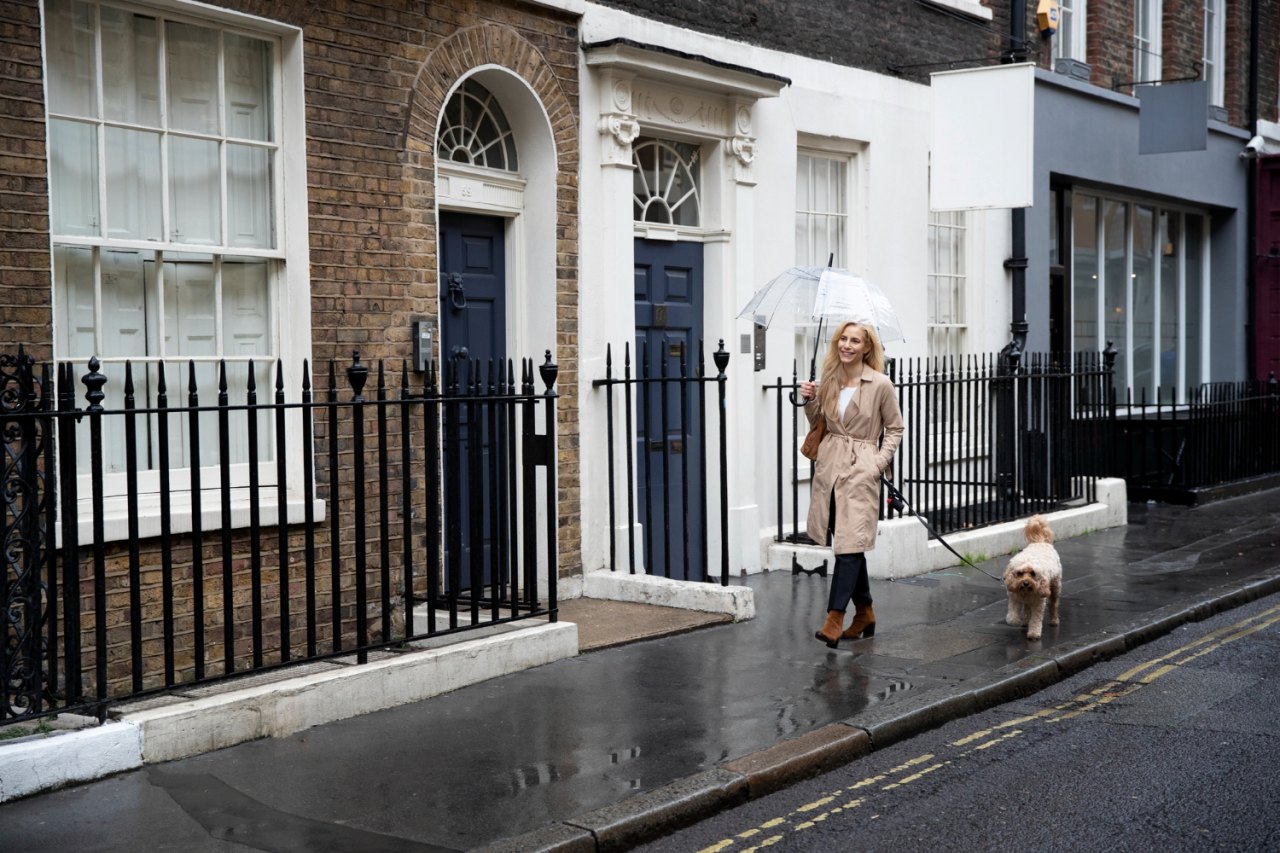
If this is your first independent trip to Western Europe, resist the urge to cram in too many countries. Trying to see everything will leave you exhausted and you’ll miss the best parts.
For a 7-night, 9-day trip, try Paris → Amsterdam → Brussels. Fly from Incheon to Paris and stay three nights. Take the Eurostar or Thalys to Amsterdam for two nights, spend one night in Brussels, then return to Paris to fly home. This route keeps travel time short and your itinerary smooth—perfect for first-timers.

For a 10-night, 12-day trip, focus on Spain and Portugal. Fly into Barcelona and stay three nights, then two nights in Madrid, two in Seville, and finally take a bus to Lisbon for three nights before flying home. The Iberian Peninsula is a foodie and culture lover’s dream.
Yes, it’s only two countries, but Spain alone could easily fill 12 days. Traveling fewer places and diving deeper tends to be more satisfying.
For a 14-night, 16-day classic route, start in London for three nights, take the Eurostar to Paris for three nights, train to Amsterdam for two, visit Cologne and Heidelberg in Germany for two, spend two nights in Zurich, and depart from Milan. This longer “golden route” is a popular pick for travelers taking their first extended Western Europe trip.
Realistic cost estimate?
People often assume Western Europe is prohibitively expensive, but costs vary widely depending on how you plan. Here’s a realistic budget for a 7-night, 9-day trip.
Round-trip airfare varies a lot by season. Expect roughly ₩900,000–₩1,500,000 (about $675–$1,125). Booking early in the off-season usually yields the best prices.
For lodging, hostels or Airbnb typically run ₩100,000–₩150,000 per night (about $75–$113). A 3-star hotel averages ₩300,000–₩500,000 per night (about $225–$375). Plan on about ₩50,000–₩100,000 per day (roughly $38–$75) for food if you mix supermarket meals with dining out. Booking intercity trains early will also cut transport costs significantly.
A Eurail pass can be handy, but if you’re not hopping trains constantly, buying individual tickets in advance is often cheaper. Overall, a 7-night, 9-day trip usually ranges from around ₩5,000,000 to ₩6,000,000 (roughly $3,750–$4,500), depending on where you sleep and how you eat. Tweak each item to fit your travel style.
Handy tips for independent travel in Western Europe
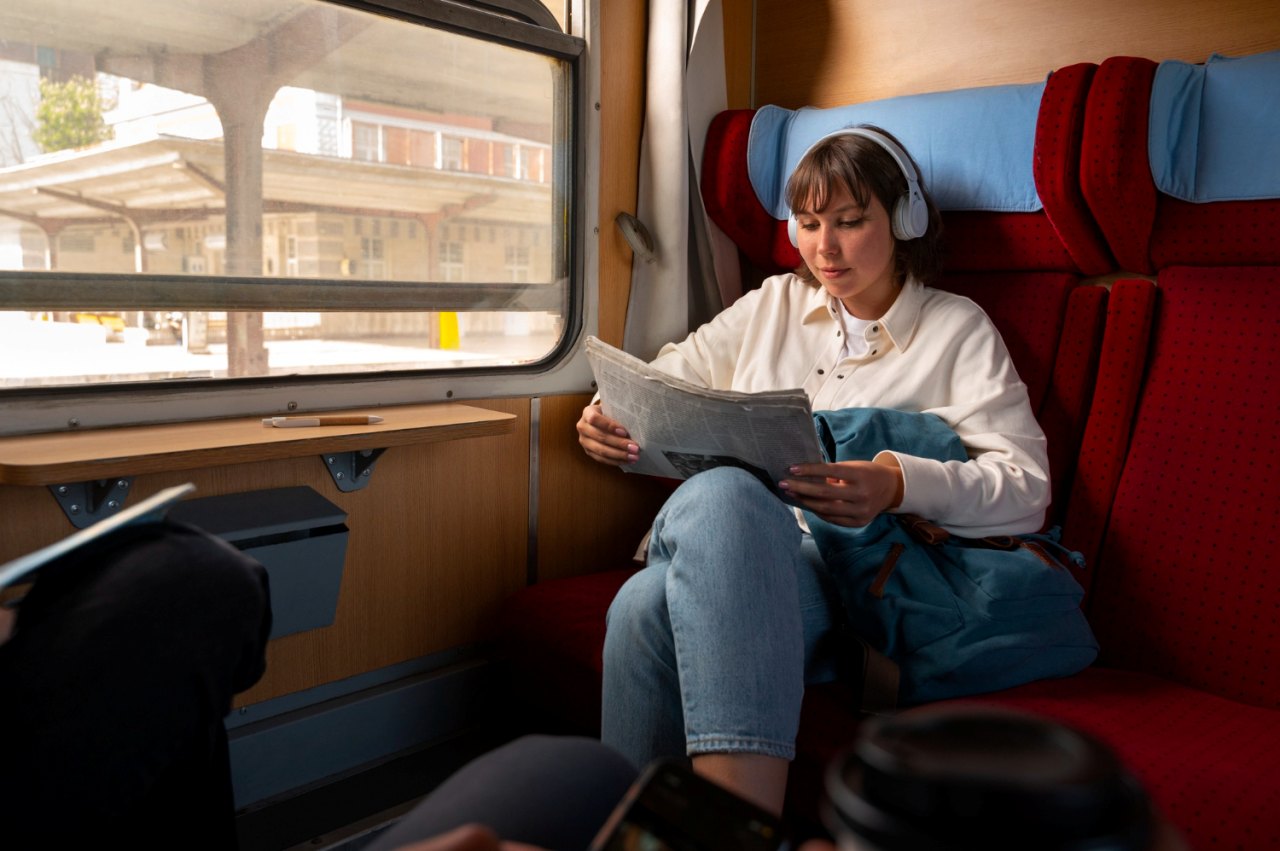
Book trains well in advance. European fares drop the earlier you buy. For France’s TGV, Spain’s AVE and Italy’s Trenitalia, booking a month or more ahead can sometimes cut fares in half. Get a European SIM card or pocket Wi‑Fi. Google Maps is essential. Buy a local SIM at the airport or order one online before you go.
Use attraction passes. Cards like the Paris Museum Pass or London City Pass bundle tickets and save money. Major museums and historic sites can have long lines without reservations, so pre-book key entries. Shop at supermarkets. Buying cheese, wine, bread and cured meats for simple meals is a delicious way to save.
European groceries are fresh and high-quality. Peak season runs June through August, when flights and hotels are most expensive. April–May and September–October offer great weather with fewer crowds—ideal travel windows.

Prepping for a solo trip to Western Europe may seem like a lot, but it gets simple if you handle it step by step. Book flights, pick your route, reserve trains, and lock in your lodging—finish those four things and you’re already halfway there. The rest you can figure out as you go. Western Europe rewards travelers who take the leap.















Most Commented