
Translation result

[Tour Korea—Reporter Seongran Jo] The story doesn’t stop when the credits roll. Scenes linger in your head and suddenly you want to walk those streets for yourself. No wonder travelers are increasingly chasing on-screen vibes with “set-jetting” trips.
By 2026, filming locations tied to global hits aren’t just backdrops—they’re buzzy destinations. From lakes where lovers confessed to alleys where relationships began and windswept hills that spoke for emotions, these on-screen moments have become real-world places worth visiting.
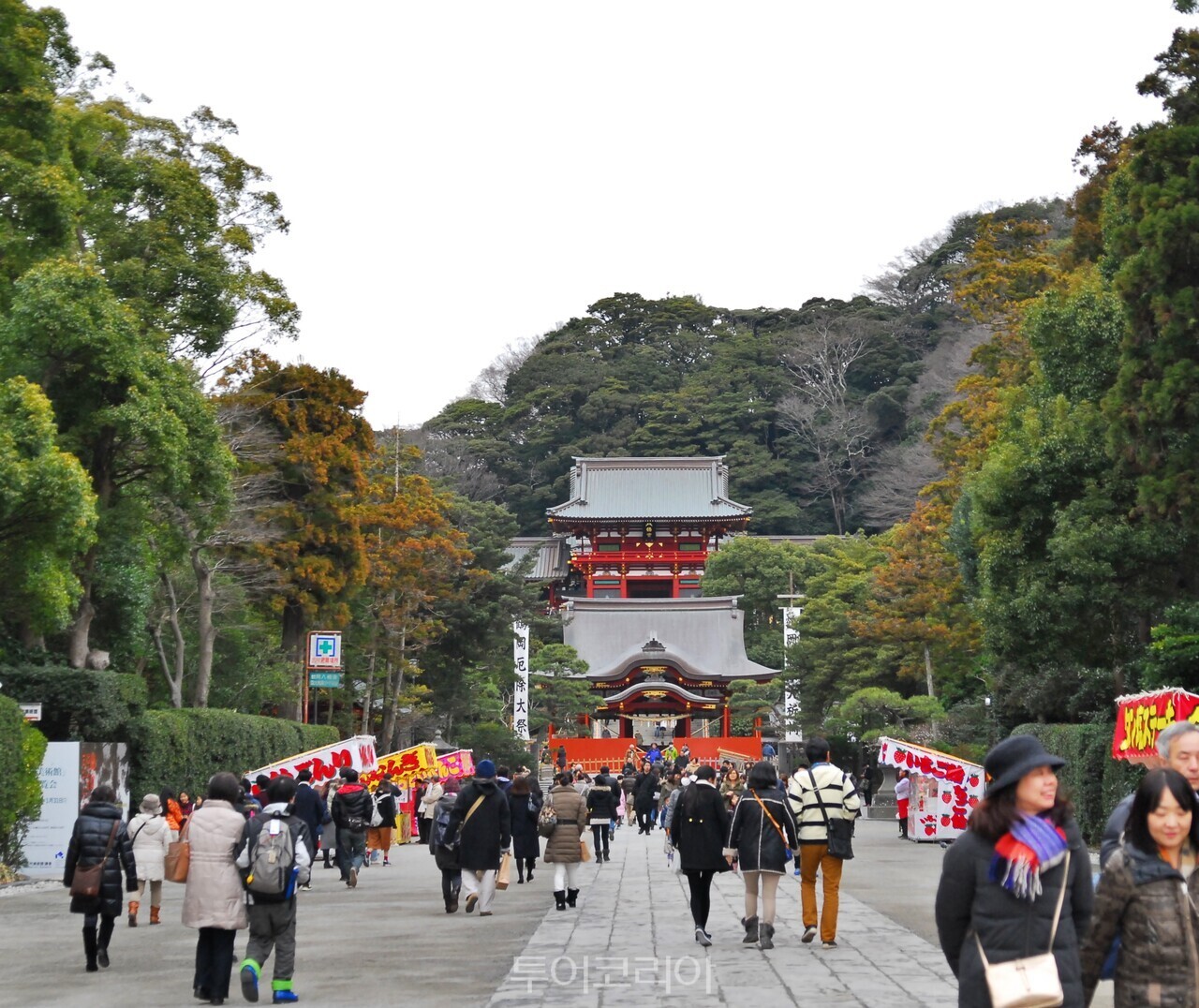
‘Kamakura, Japan,’ like the opening scene of Does This Love Translate?
Just over an hour from Tokyo lies Kamakura. Once a quiet seaside town cradled by mountains, it’s recently seen a tourist boom. The town’s compact charm—mountains on three sides and the sea on the other—still gives it a peaceful, small-town feel.
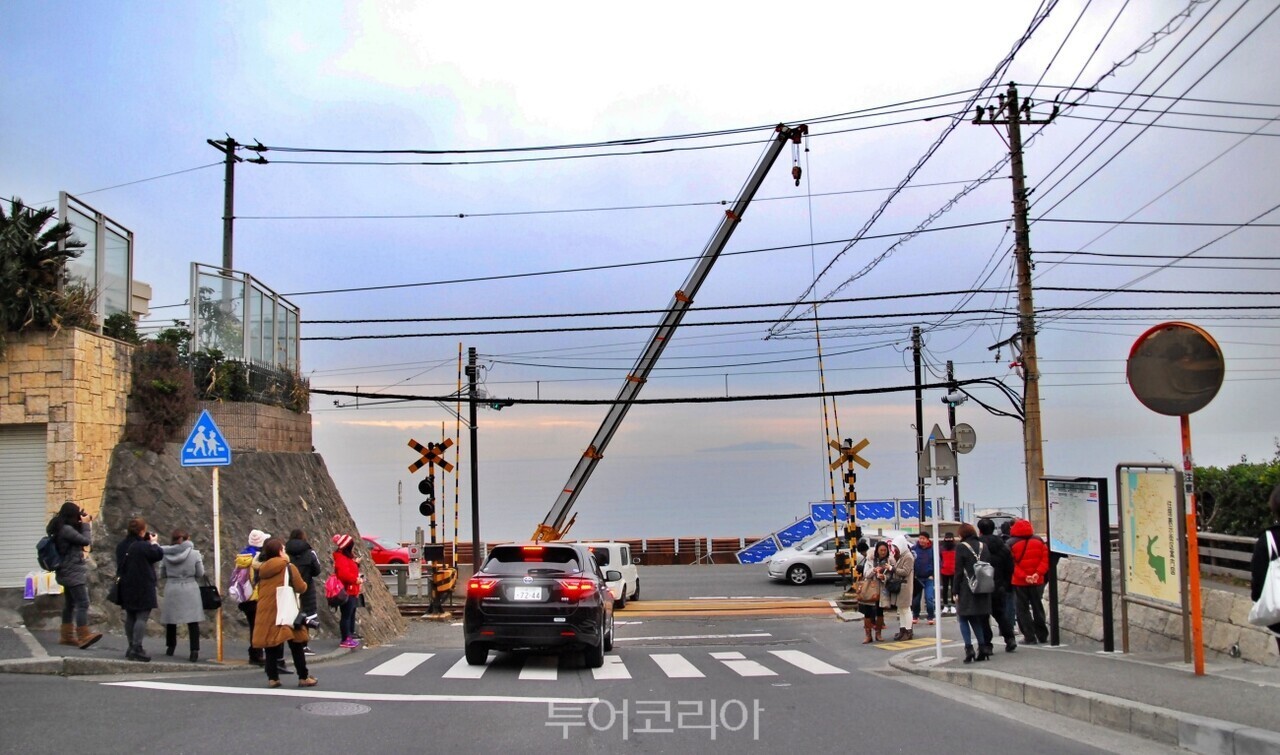
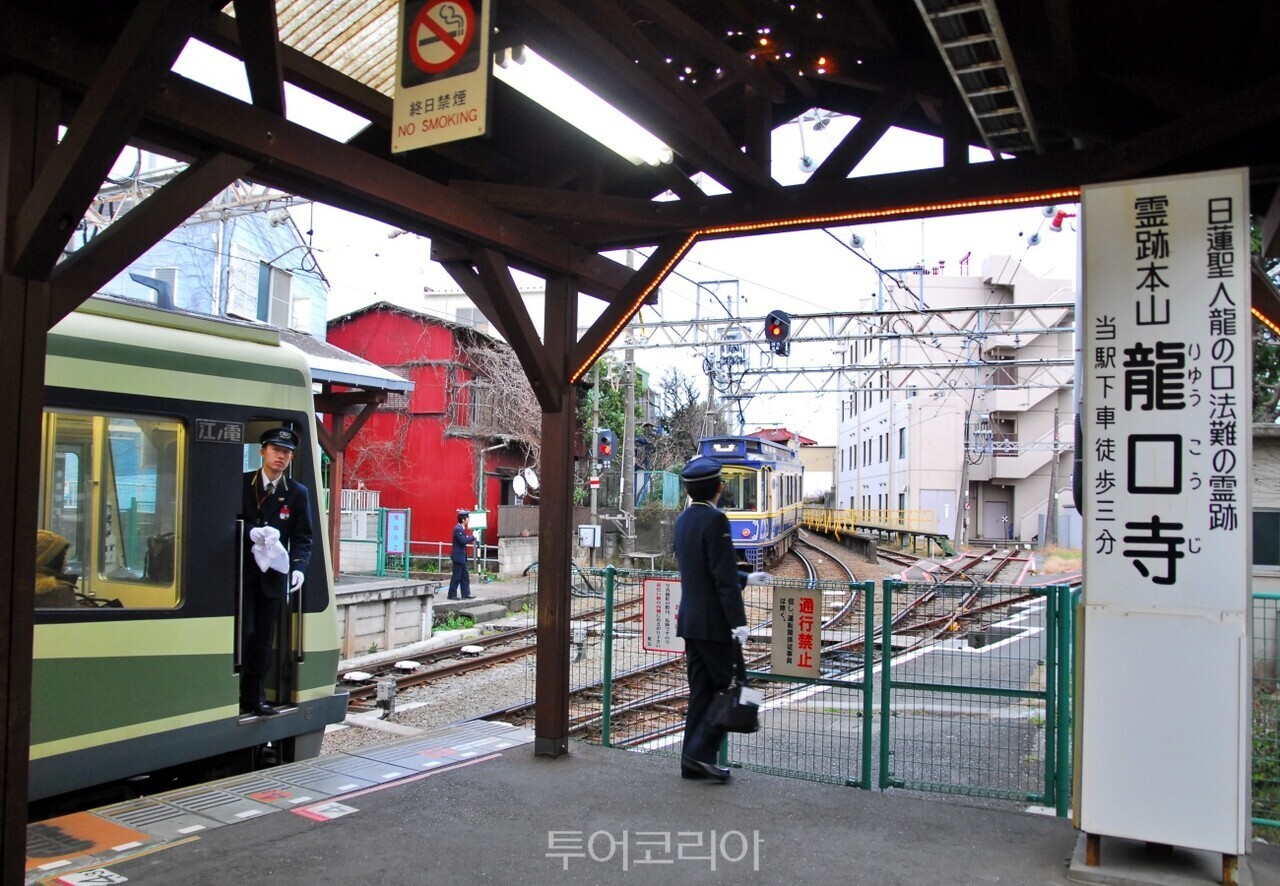
The series picks Kamakura for a reason. A tiny platform at Gokurakuji Station and the Enoden train chugging along the coast tap straight into nostalgia. The scenes feel like a single frame ripped from a film camera—soft, poetic, and quietly romantic.
The white lighthouse at Katase Port and the Enoshima shoreline have become Instagram must-stops since the show premiered. Even a short stroll with the sea at your back slows you down. Quiet lanes, tucked-away shrines, and cozy cafés chain together to create a “pause-in-spring” kind of afternoon.
But Kamakura isn’t just about romance. It was the seat of Japan’s first samurai government, so temples, shrines, and heritage sites are woven into daily life. The town’s Kōtoku-in—the Great Buddha—is Japan’s second-largest seated bronze Buddha. Its presence changes the mood of a visit in an instant.
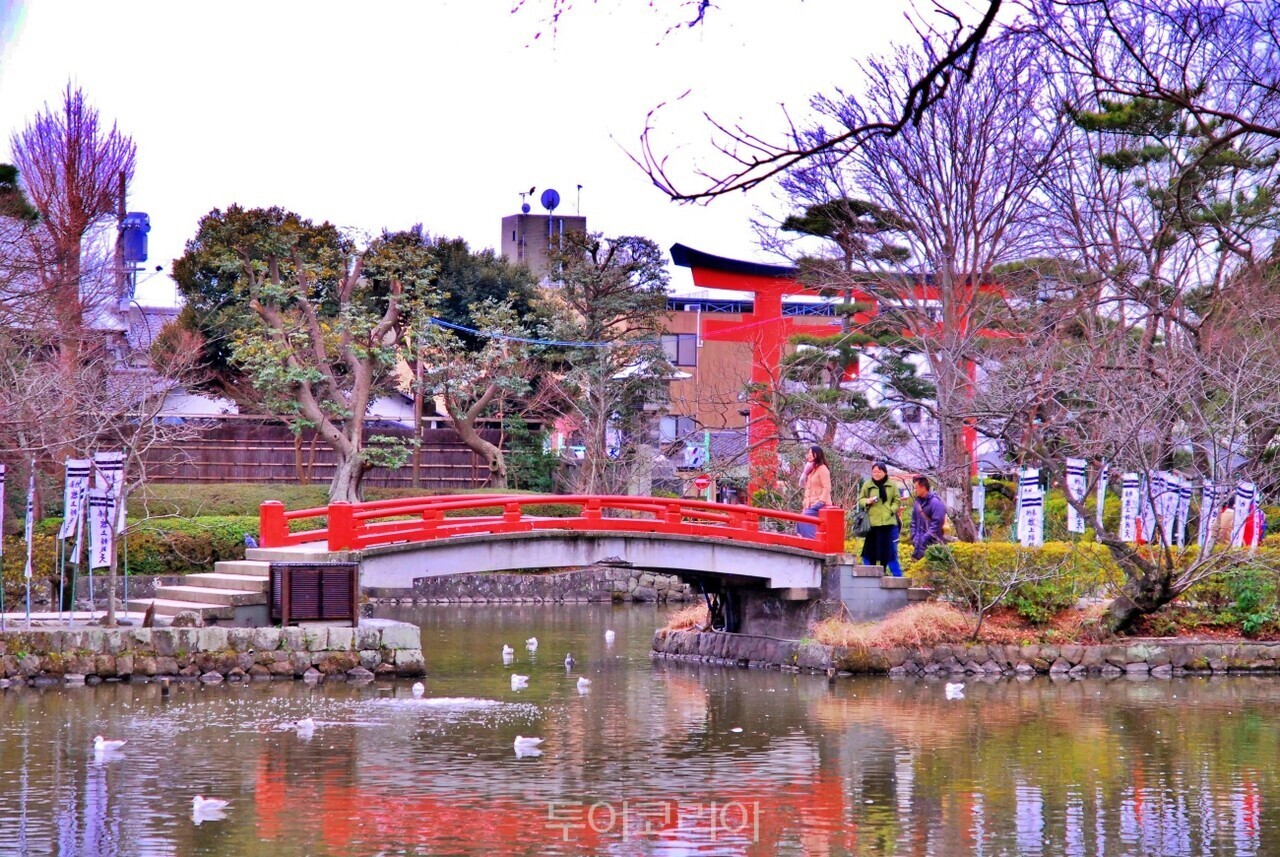
Near Kamakura Station, Tsurugaoka Hachimangu Shrine channels Edo-period architecture with ponds, gardens, and scattered artifacts that quietly prove Kamakura’s long history.
Kamakura’s filming fame predates this series. It’s also the backdrop for Slam Dunk and Our Little Sister, meaning different generations visit with their own memories.
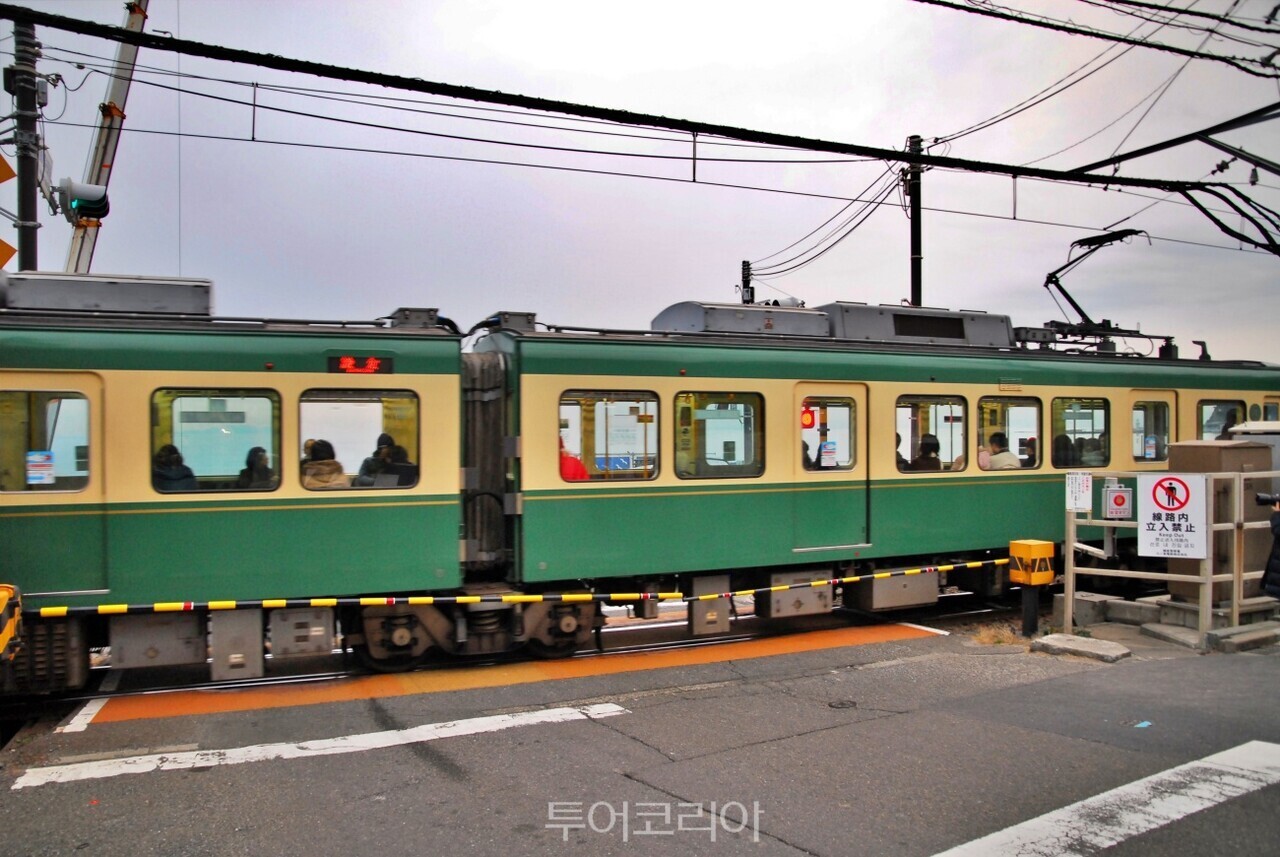
Since The First Slam Dunk revival, the crosswalk around Kamakura-Kōkōmae Station is packed with fans trying to recreate the manga’s opening shot. When the gate clacks down and the Enoden glides by with the ocean behind it, everyone for a moment feels like the lead in their own story.
A simple Kamakura itinerary works best: hop on the Enoden, ride slowly along the coast, and hop off where you feel like wandering. Around Shichirigahama and Kamakura-Kōkōmae Station, you can capture that classic Kamakura frame—sea and train in one shot.
‘Alberta, Canada,’ where love deepens
In the series, Alberta becomes the wide-open stage where romance begins and deepens. The sweeping Canadian Rockies across land roughly seven times the size of South Korea, paired with sleek cityscapes, sharpen the show’s emotional palette.
Since the show aired, Alberta has emerged as a romantic filming destination. Set-jetting travelers are flocking to follow their favorite scenes from screen to reality.
Calgary is the natural gateway. Its modern skyline and historic streets set the scene for the characters’ journey. Stephen Avenue, with over a century of history, is a string of restaurants, galleries, and cafés—perfect for soaking up Calgary’s polished vibe.
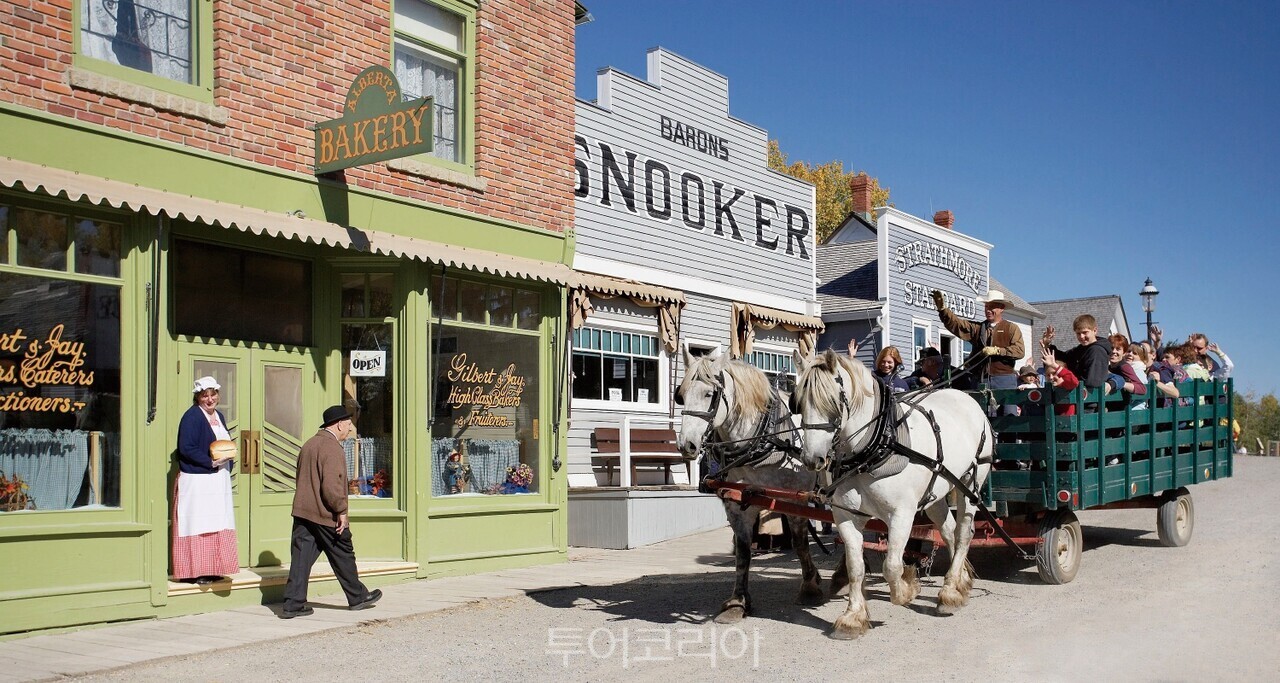
Heritage Park, a living history museum that recreates western Canada’s pioneer era, appears in the show and blends old-world charm with city energy. From the Mount Pleasant lookout, the Bow River and city lights spread like a panorama—you can practically relive the drama’s nighttime stroll there.
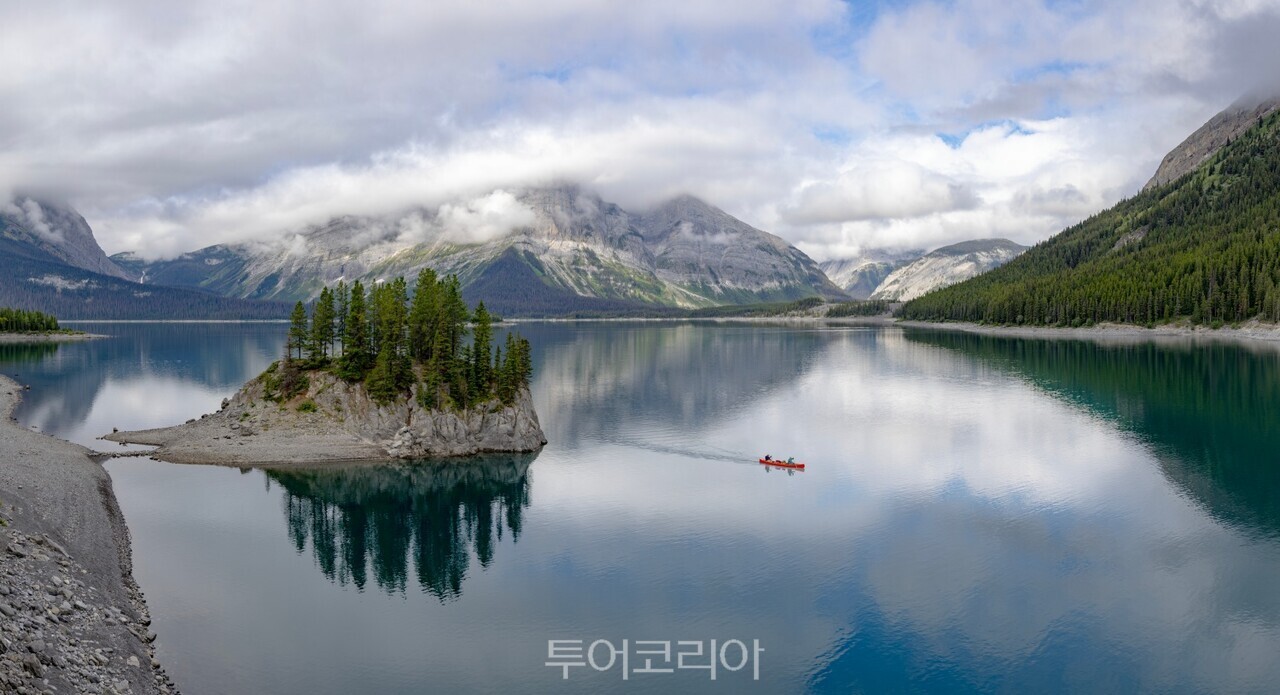
Step outside the city and the real Canadian Rockies story unfolds. Quarry Lake in Canmore is the show’s symbolic spot for heartfelt confessions. An emerald lake set against the jagged silhouette of the Rockies looks as cinematic and still as any film scene.
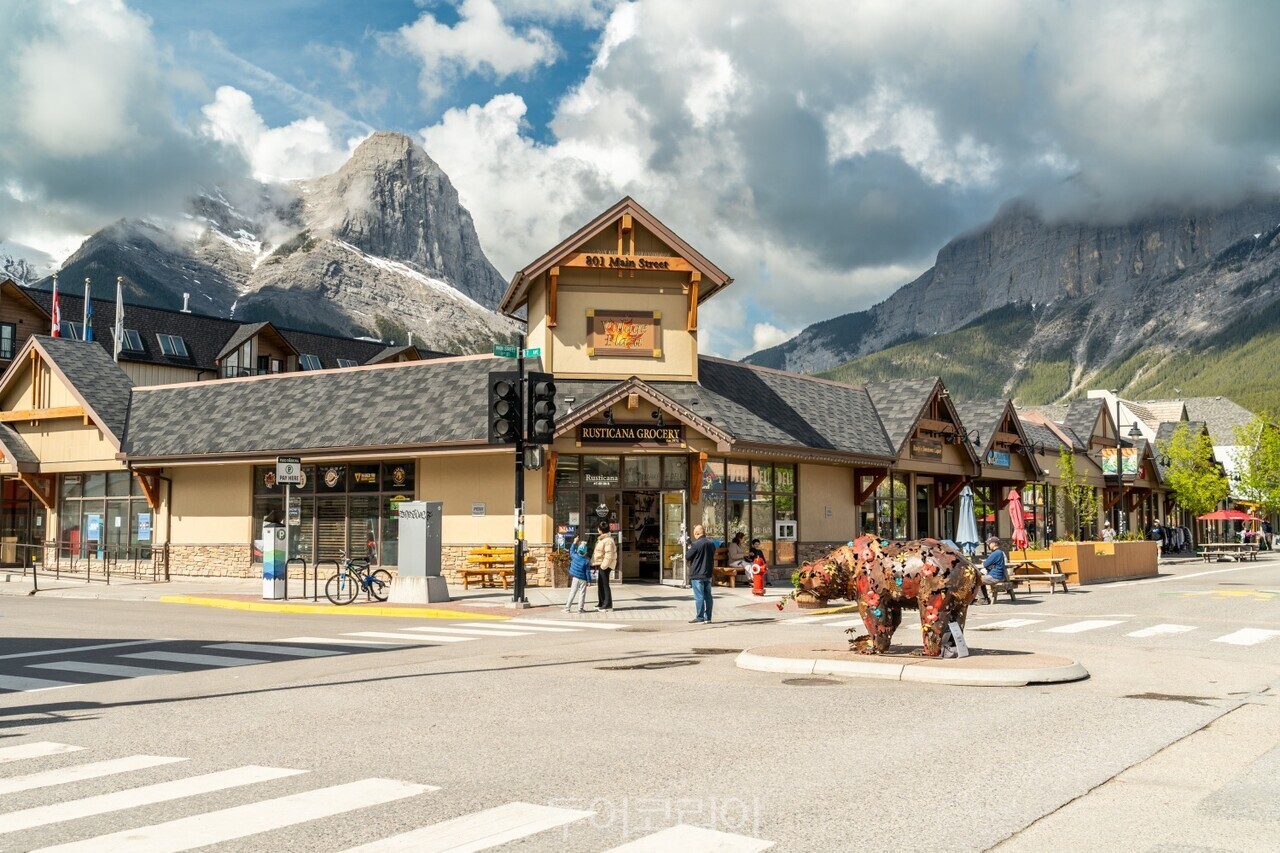
Banff Town, the hub of Banff National Park, pairs charming streets with towering peaks. At Cascade of Time Garden you can drink in Cascade Mountain’s dramatic backdrop. Upper Kananaskis Lake in Kananaskis is another must—its vast natural scenes and even occasional aurora displays draw visitors year-round.
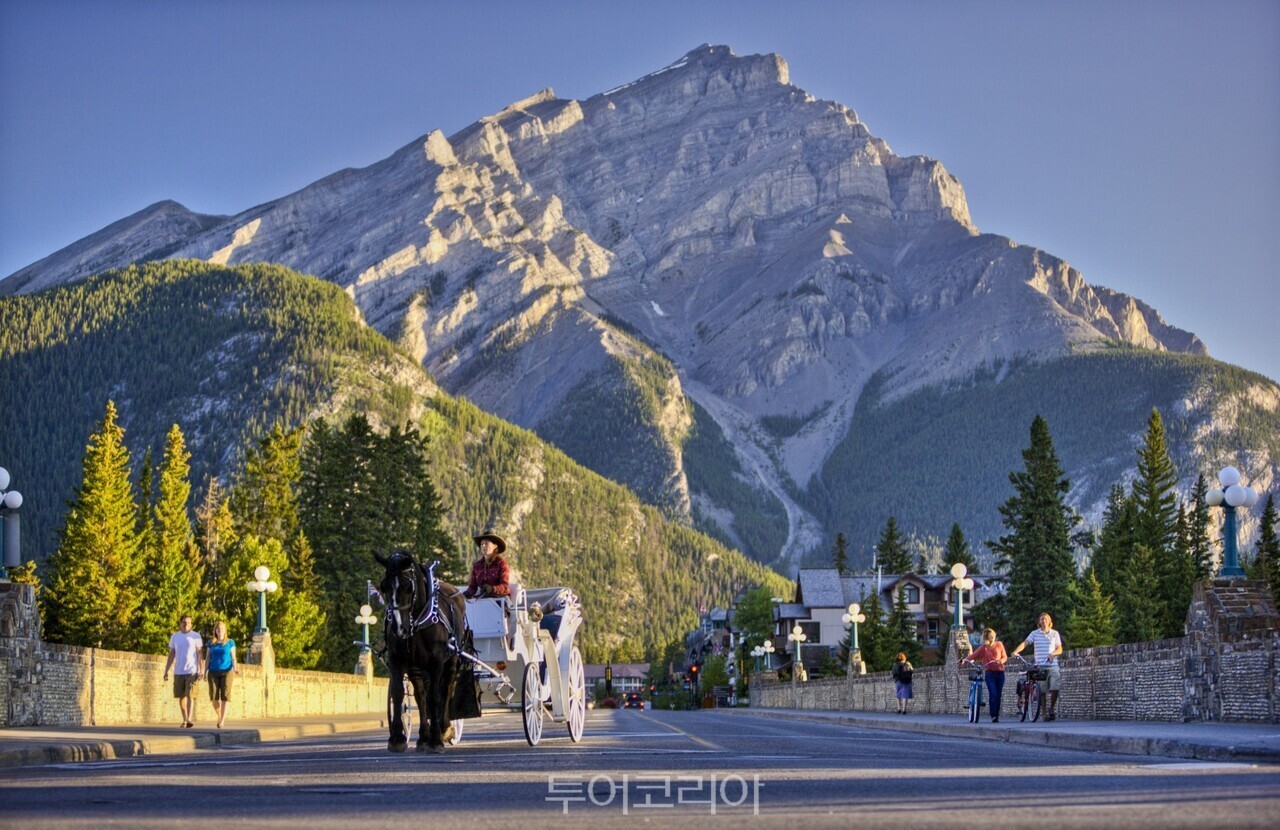
Alberta’s Badlands reveal a different side. Shaped by millions of years of erosion, Horseshoe Canyon and the Drumheller area feel almost extraterrestrial. The winding canyons and rugged rock formations left a lasting impression as filming backdrops. The Royal Tyrrell Museum, home to one of the world’s largest dinosaur fossil collections, is a regional highlight.
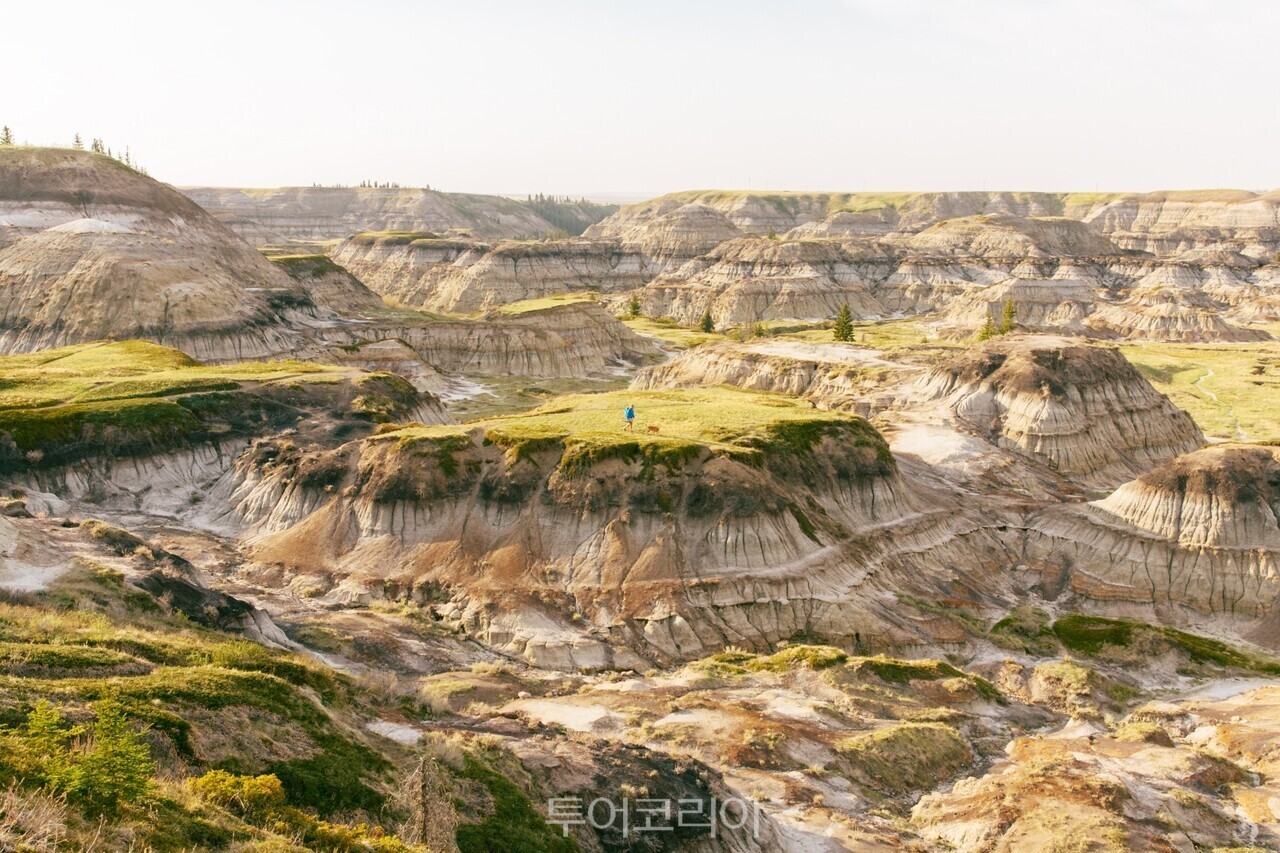
What makes Alberta irresistible is variety: city skylines, mountain peaks, emerald lakes, and otherworldly canyons all in one trip. Starting in Calgary, winding through Banff, Kananaskis, and Canmore, and ending in the Badlands, the journey feels like stepping into the drama itself.










Most Commented