
Translation result.
When people plan a trip to Spain, Barcelona and Madrid usually get the shortlist. And sure—they’re magnetic. But travelers who return to Spain again and again often say the same thing: the small towns are where the real magic lives.
Spain’s small towns rival the big cities in charm: cliffside villages, narrow alleys framed by medieval walls, and hills dotted with rows of whitewashed houses. They may be small in size, but each one carries its own story. Here are five you’ll want to add to your next itinerary.
Ronda
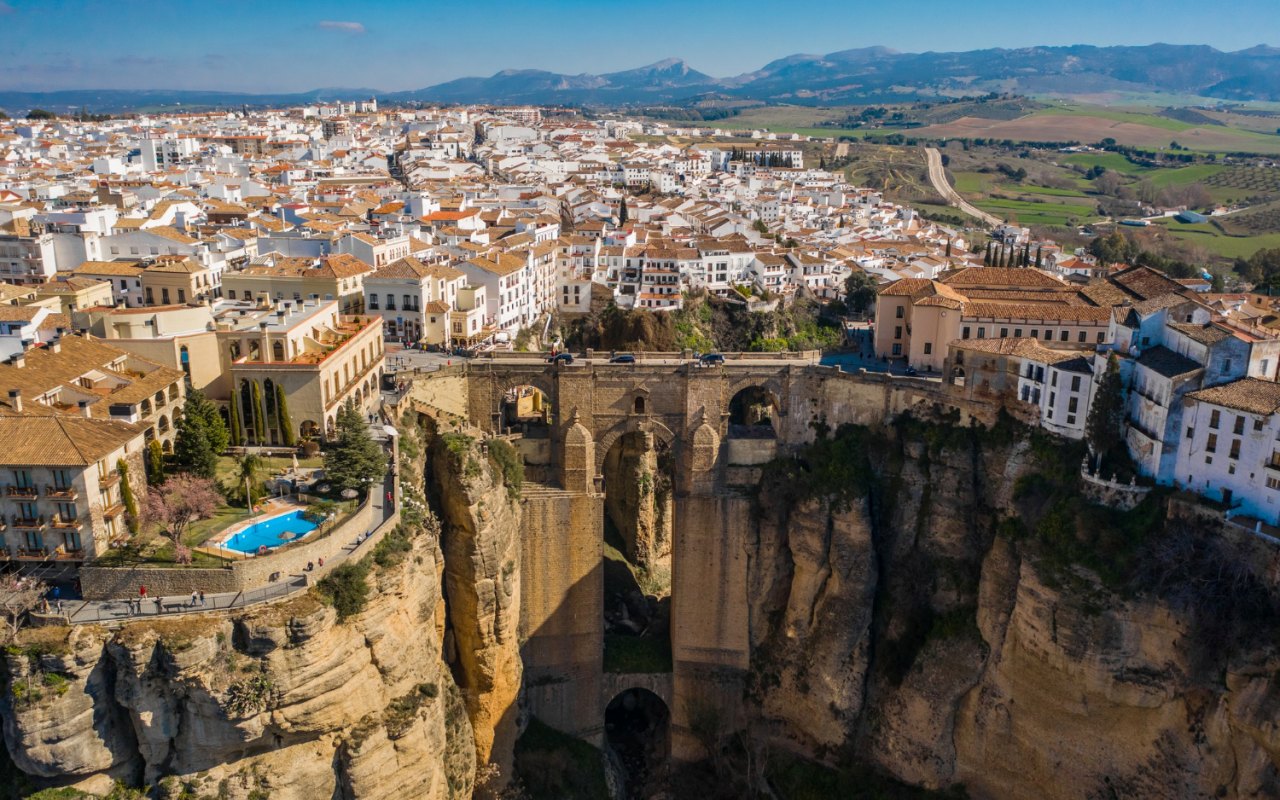
Perched in Andalusia, Ronda delivers some of Spain’s most cinematic scenery. The town sits about 750 meters (roughly 2,460 feet) above sea level, and its icon is the Puente Nuevo, the 18th-century stone bridge spanning the Tajo Gorge. Photos don’t quite capture the scale—stand on the bridge and you’ll feel it beneath your feet.
It’s no wonder Hemingway fell for Ronda. A stroll through the cobbled lanes makes it easy to see why. Often called the birthplace of bullfighting, Ronda still has one of Spain’s oldest bullrings, and La Ciudad, the old quarter, retains a vivid medieval mood.
Timing a visit to catch the gorge glowing orange from the Puente Nuevo at sunset is one of those Ronda moments you won’t forget.
Segovia
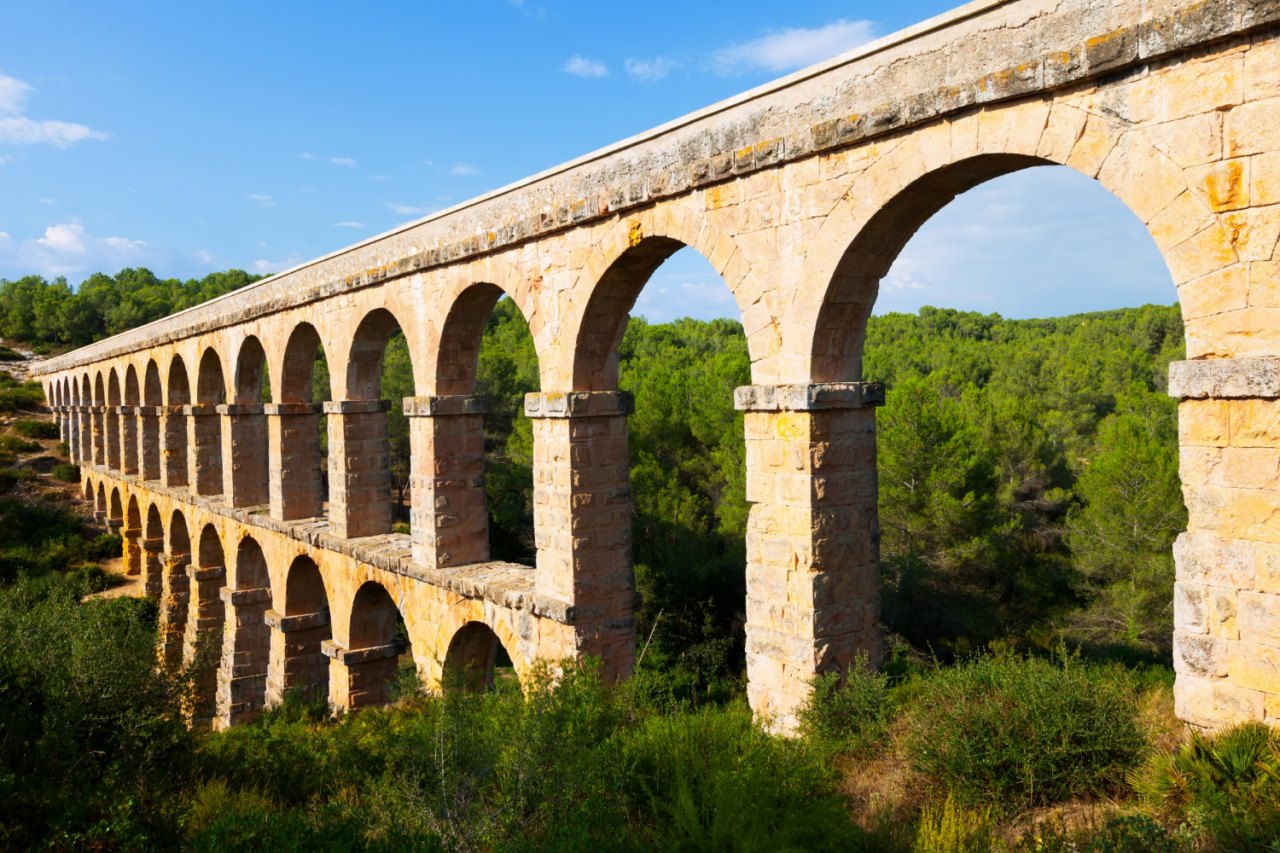
Just over an hour by bus from Madrid, Segovia is often squeezed into day-trip plans—but one day won’t do it justice. Its defining monument is the Roman aqueduct, likely built around the 1st century BC. This mortar-free stone marvel still stands intact in the heart of town; the first time you see it you’ll swear it’s a relic transported straight from ancient Rome.
Equally arresting is the Alcázar. Perched on a rocky outcrop at the edge of the old town, its pointed towers and white walls are said to have inspired a Disney castle.
From inside the castle you get sweeping views of the Castilian plains. And food-wise, Segovia is famous for cochinillo—roast suckling pig—so make time to try the local specialty.
Cuenca
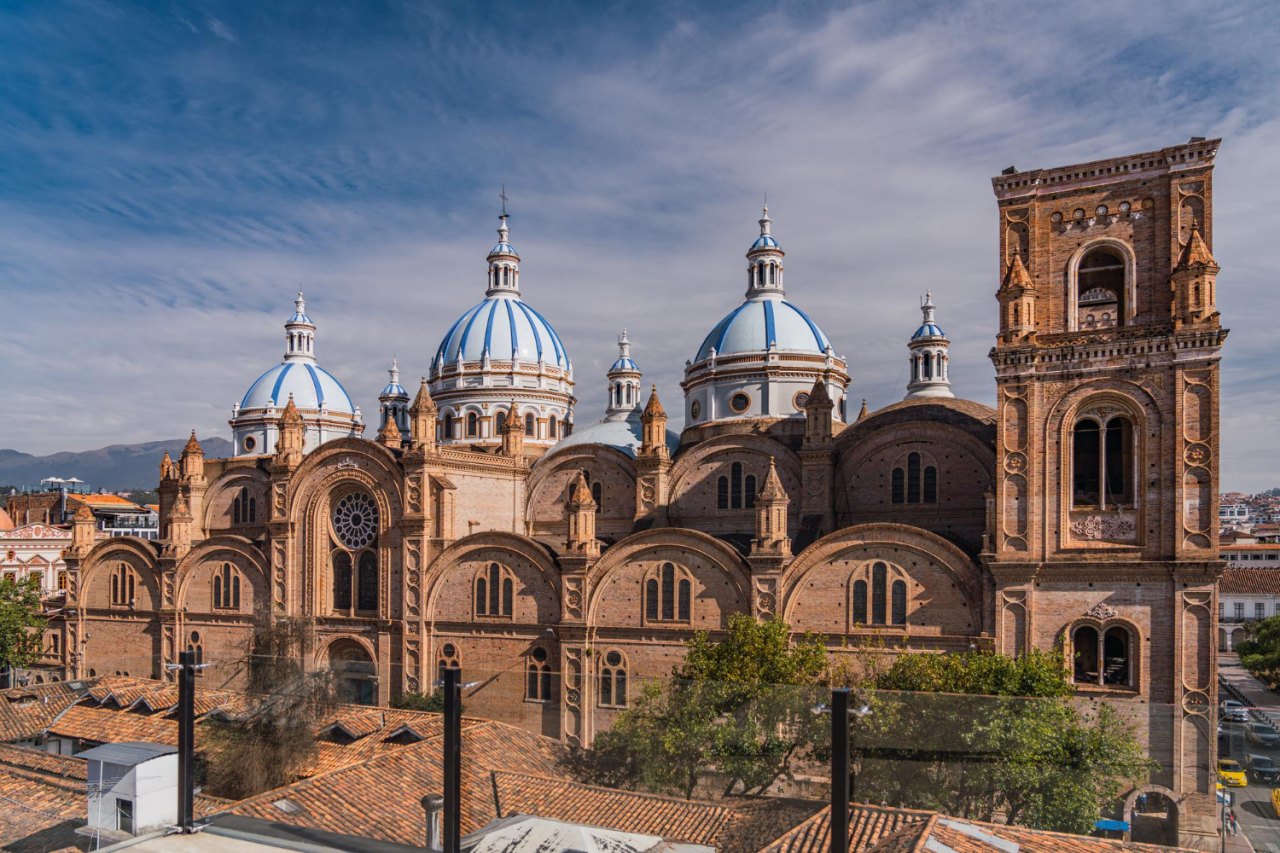
Cuenca is one of Spain’s quirkiest and most unforgettable small towns. A UNESCO World Heritage site, its headline attraction is the Casas Colgadas—the hanging houses that seem to defy gravity along the cliff edge. These timber structures from the 14th and 15th centuries look almost unreal the first time you see them.
Some of those hanging houses now host the Spanish Museum of Abstract Art, creating a striking contrast between the dramatic exterior and contemporary works inside. It’s only about a two-hour train ride from Madrid, so it’s easier to reach than you might think.
Wandering the old-town alleys, you’ll stumble on viewpoints that reveal the gorge in one sweeping glance—those panoramas are often the lasting memory of a Cuenca visit.
Frigiliana
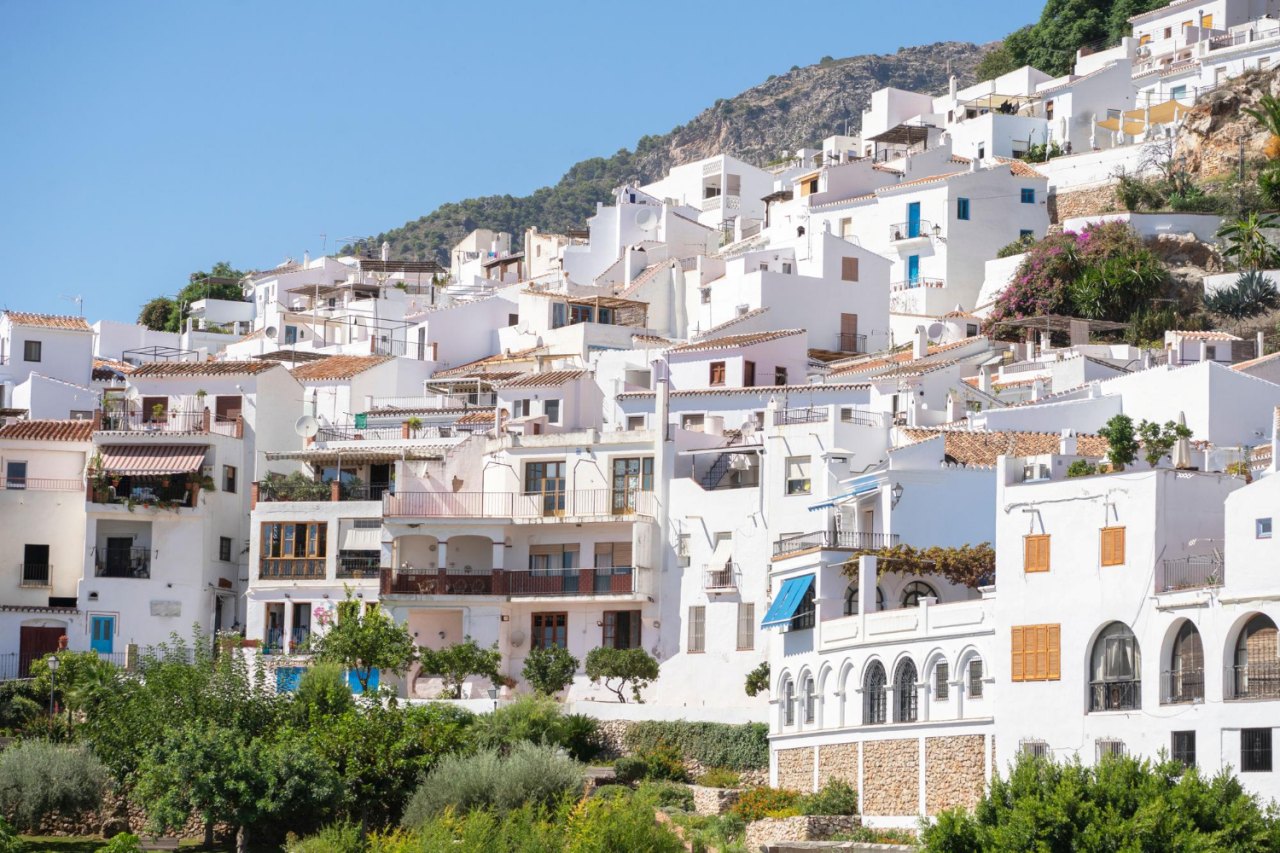
Head a bit inland from the Costa del Sol and you’ll find Frigiliana, a picture-perfect white village climbing a steep hill. The lime-washed houses stack up like steps, and the town has been named one of Andalusia’s prettiest multiple times. Southern Spain’s Moorish legacy gives Frigiliana a lovely mix of Arab and Spanish influences.
Flower pots line the streets, and the contrast of white walls against a bright blue sky gives serious Oia vibes. Don’t skip the hilltop views over the Mediterranean. Many travelers pair Frigiliana with nearby Nerja for a day trip, but if you can, stay overnight—when the crowds leave, the village becomes wonderfully tranquil.
Albarracín
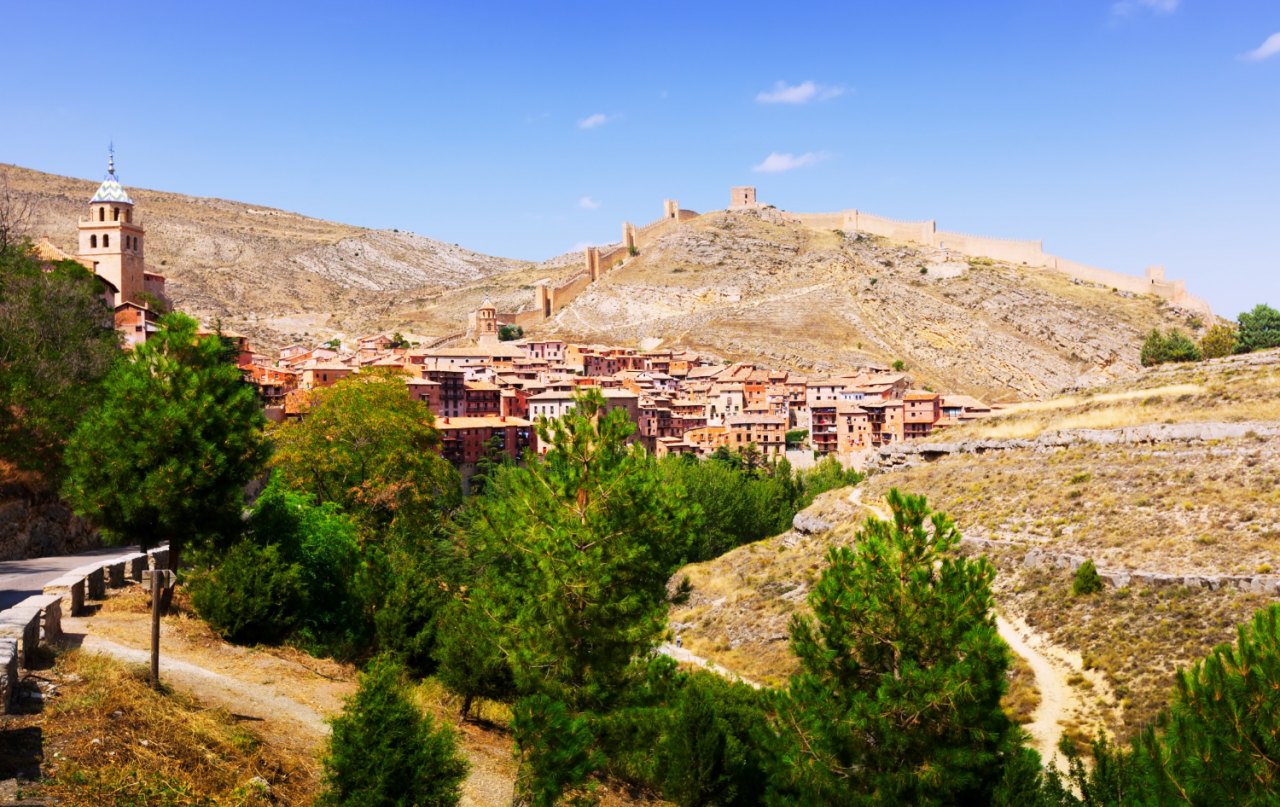
The pinnacle of small-town Spain is Albarracín. Tucked away in Teruel province in Aragón, it was voted Spain’s most beautiful village in a national poll. Terracotta-hued walls wrap the town, and inside that ring a maze of medieval streets remains frozen in time.
Albarracín’s remoteness means public transport is sparse, so renting a car is almost essential. But visitors put up with the inconvenience for good reasons: the unspoiled medieval atmosphere, daily life unfolding quietly in the lanes, and the red town silhouette glowing from the walls at sunset. Those moments explain why Albarracín holds its crown.
Spain’s small towns may be compact, but they’re rich in feeling and history. Every alley, bridge, and cliff stores centuries of stories. Slip one of these five into your next Spanish trip—you might find that one small detour changes the whole journey.
(Photo credit: ⓒDesigned by Freepik)












Most Commented