
Translation result

By 2026, China is basically the poster child of digital life. Forget guidebooks and a wad of cash—these days a single smartphone handles entry, payments, transit, and ordering meals. Translation: your packing list should focus on digital survival.
A bit of prep goes a long way. It’ll cut down on rookie mistakes and make your trip a lot more comfortable. Below are four must-do checks every traveler to China should finish before they head to the airport.
Check your visa and passport
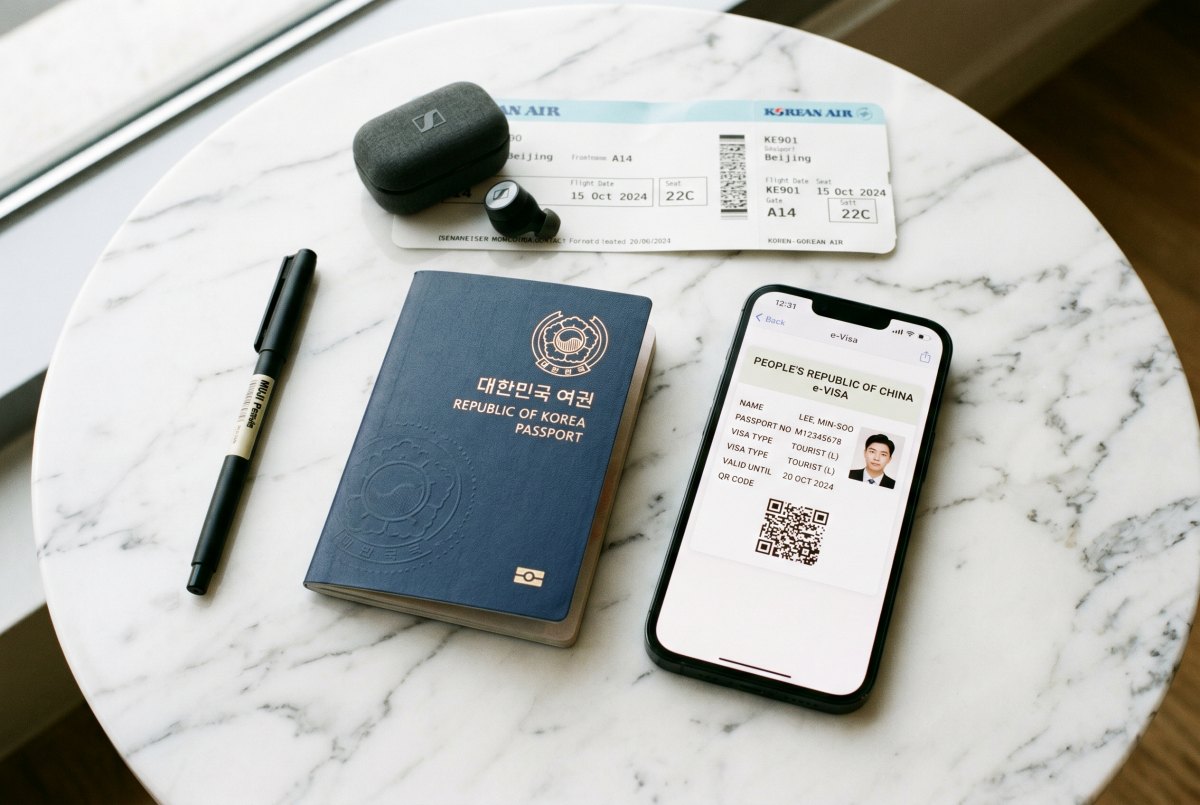
Start with your visa. As of 2026, visa exemptions and simplified entry rules for travelers from South Korea can change quickly, so confirm the latest requirements before you go. If you need a visa, apply at least two weeks before departure. Also make sure your passport has at least six months’ validity from your planned entry date.
China now uses e-Visas in many cases, so keep both a printed copy and a screenshot or saved mobile version. For immigration, it’s smart to have your hotel reservation confirmation and round-trip ticket receipt ready in English or Chinese just in case.
Set up payment systems

Cash is rare in China—so rare that QR codes are everywhere. Many merchants don’t carry change, so installing Alipay or WeChat Pay isn’t optional; it’s essential.
Download the apps before you travel, link a credit card that supports international transactions, and complete any small-amount verification steps. By 2026, several major Korean payment services may interoperate with Chinese platforms, so check whether your preferred payment method will work locally to avoid surprises.
Data roaming

One of the biggest surprises for visitors is the Great Firewall: Google, KakaoTalk, YouTube, Instagram and other global services can be blocked. The most reliable fix is to use your home carrier’s roaming plan or buy a China-specific eSIM.
Buying a local SIM often means dealing with VPNs and unstable connections, while roaming through a Korean IP usually lets you use your usual apps without extra setup. If you rely on maps and translation apps, uninterrupted data is nonnegotiable.
Must-have local apps for getting around
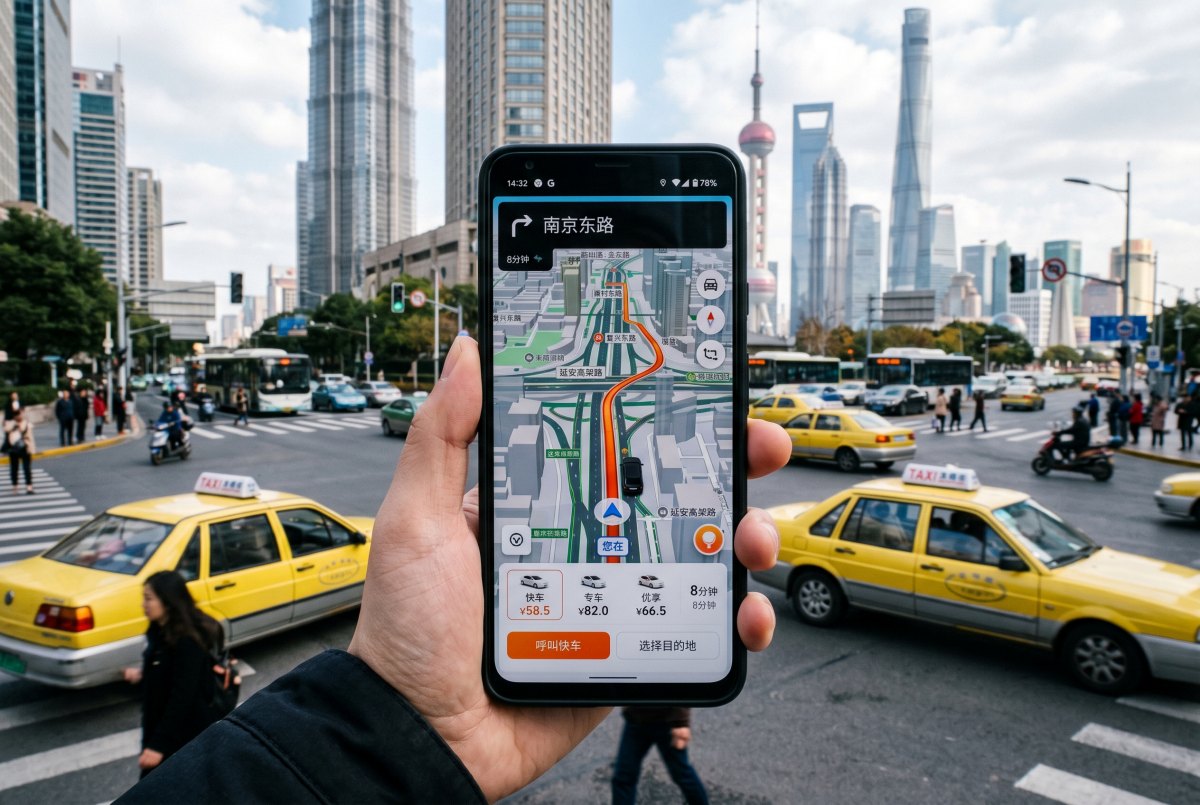
Finally, load the local survival apps. Google Maps can be inaccurate or slow in China, so install Amap (Gaode) or Baidu Maps and save destination names in Chinese characters ahead of time.
Get familiar with Didi Chuxing for ride-hailing—it also runs as a mini program inside Alipay. Street-hailing can be tough, so these apps will make or break your mobility. And don’t forget to download offline language packs for Papago or Google Translate so you can communicate even when the connection is spotty.
In short: the 2026 China travel checklist is all about digital readiness. Tick off these four essentials and you’ll wipe out most hassles before you land. The better you prepare, the smoother your trip will be.















Most Commented