
Although Da Nang and Nha Trang are both top Vietnamese destinations, treating them the same when you pack and plan can land you in trouble. They sit in different regions, so their dry and rainy seasons don’t line up. Below is a concise guide to the key weather differences, when each city’s dry and rainy seasons occur, the best months to visit, and stylish yet practical packing tips.
Da Nang Weather
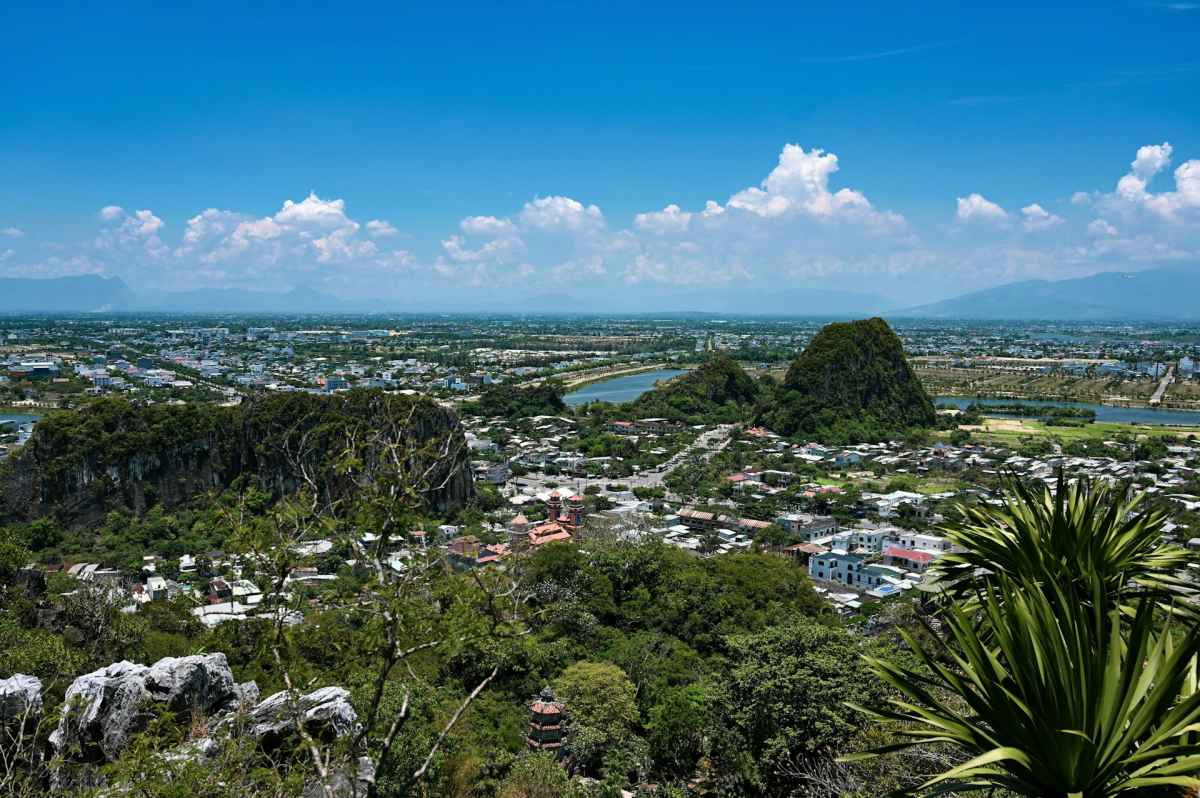
As a central coastal city, Da Nang stays warm year-round, but your trip experience can vary a lot depending on whether it’s the dry or rainy season. If your plans include outdoor favorites like Ba Na Hills, My Khe Beach, or nearby Hoi An, weather will shape your days. Typically, Da Nang’s dry season runs from January through July, while the rainy season stretches from August through December.
Temperatures are generally warm throughout the year, but summer brings strong sun and high humidity that make it feel hotter than the thermometer suggests.
·Dry season
Da Nang’s dry season is usually January through July. March to May is particularly pleasant—warm but not yet oppressively hot—making it a great window for sightseeing.
·Rainy season
The rainy season typically runs from August through December, with frequent showers and especially heavy rainfall in October and November.
Nha Trang Weather

Nha Trang leans more toward classic beach-resort vibes than Da Nang. It’s warm and relatively mild year-round, which makes it ideal for lounging by the pool, chilling at resorts, and taking island tours. Its dry season usually runs from January through August, while the rainy season falls from September through December—so the dry stretch is a bit longer than Da Nang’s.
That means even though both cities are in Vietnam, Da Nang sees rain more often, while Nha Trang gives you a better shot at sunny days. Expect temperatures around 26–30°C (79–86°F) most of the year.
·Dry season
Nha Trang’s dry season is typically January through August. During these months you’ll find many clear days and calm sea conditions—perfect for island hopping, snorkeling, beach walks, and resort downtime. March through August is Nha Trang’s high season.
·Rainy season
The rainy season usually lasts from September through December. It’s shorter than Da Nang’s, but you can still get sudden downpours or heavy showers during this period.
다낭·나트랑 옷차림

Think midsummer when you pack. Both spots stay warm year-round, so heavy layers are unnecessary. Instead, focus on lightweight pieces that protect from sun and humidity, dry quickly if you get rained on, and can be layered for air-conditioned interiors.
In the dry season, pack breathable items—tees, tanks, shorts, sundresses, and linen shirts. If you’ll be doing beach or resort days, bring a swimsuit, rash guard, sandals, a wide-brim hat, and sunglasses. In the rainy season, opt for ventilated, quick-drying fabrics and lightweight outer layers that won’t weigh you down when wet.
다낭·나트랑 날씨 비교

Here’s the bottom line: even though both are Vietnamese beach destinations, their dry and rainy seasons differ, and so do the best ways to experience each place. Use those differences to tailor your itinerary.
Da Nang’s outdoor attractions—Ba Na Hills, Hoi An, My Khe Beach—mean you might need to reshuffle plans during heavy rain. Nha Trang is more resort- and beach-focused, so the dry season is ideal for pools, island tours, and snorkeling; during the rainy season, leave extra time when booking marine activities.
Ultimately, look at each city’s climate individually rather than treating Vietnam as one uniform zone. In the dry season, prioritize sun protection and UV care; in the rainy season, plan for sudden downpours and pack quick-drying pieces. One last tip: check the local forecast before you go to avoid surprises on the road.














Most Commented