
Translation result.
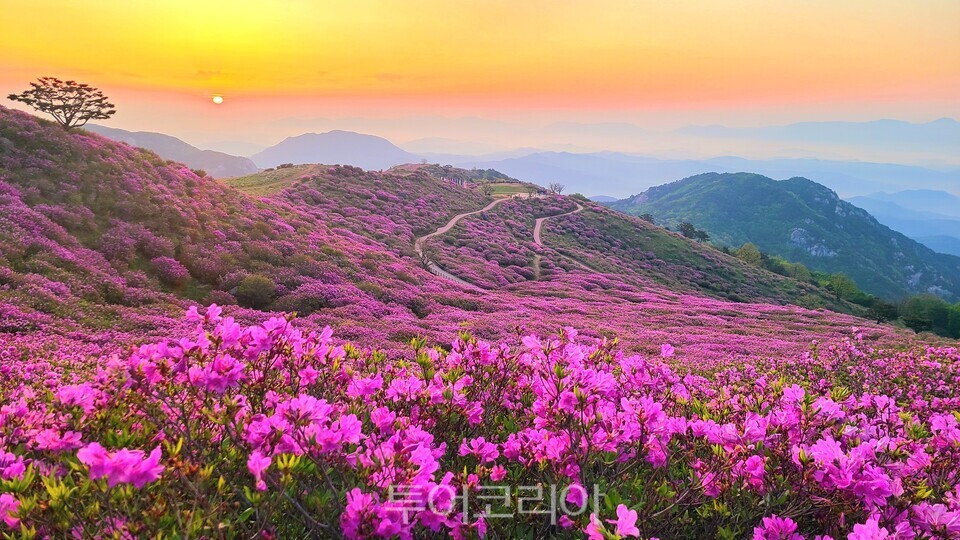
[TourKorea — Reporter Yoo Kyung-hoon] Hapcheon, in South Gyeongsang, is the kind of place where the seasons practically stage their own travel scenes. In spring, azaleas and peonies burst into bloom. Summer brings cool lake shores and riverbanks. In fall, pink muhly and silver grass sweep the landscape, and winter dusts the ridgelines with snow. Add in traces of Gaya-era history, and Hapcheon becomes a destination where nature and culture feel inseparable.
What makes Hapcheon special is that it doesn’t stick to a single vibe. Hike the dramatic slopes of Hwangmaesan, catch morning mist rising off Hapcheonho, wander fall flower displays at Shinsoyang Sports Park, stroll peony fields at Hatdeul Ecological Park, and explore Gaya artifacts at Hapcheon Museum — it quickly becomes clear why visitors love Hapcheon year-round.
Hwangmaesan — Hapcheon’s signature peak, nicknamed the “Geumgangsan of Yeongnam”
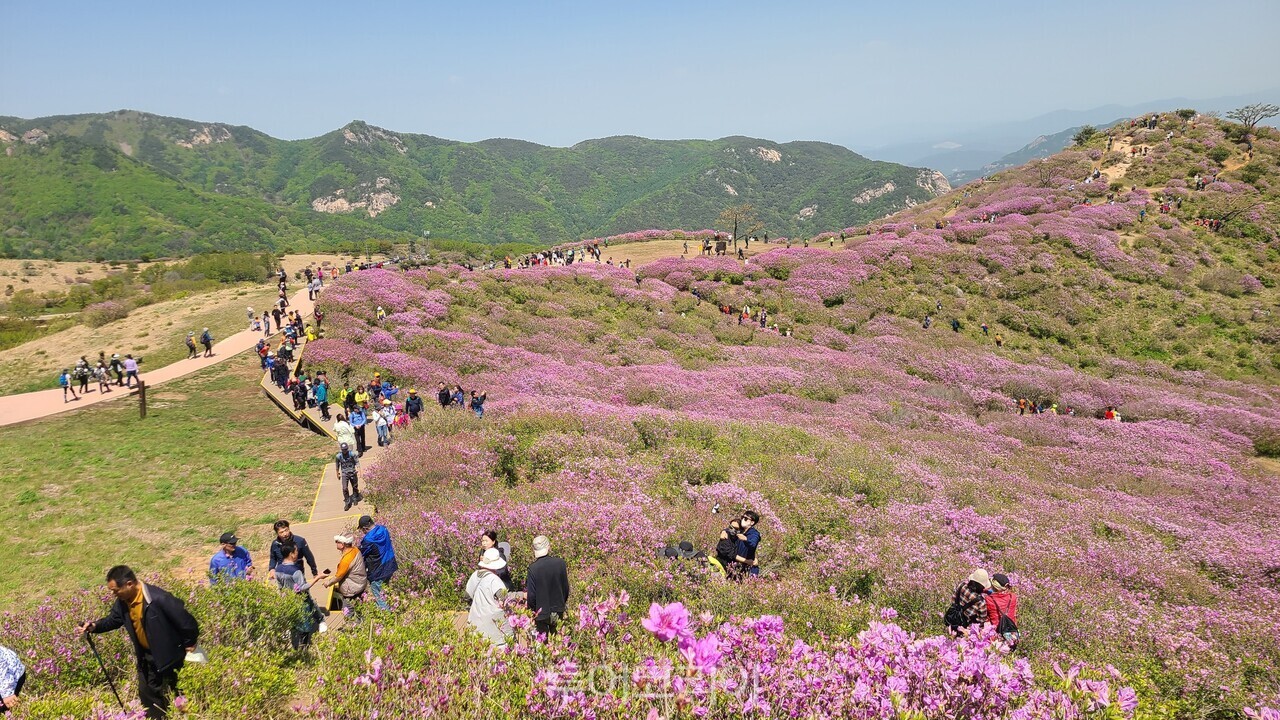
Straddling Gahoe and Daebyeong townships, Hwangmaesan is Hapcheon’s most iconic mountain. Known as the last subpeak of the Taebaek range, its deep valleys, rugged rock formations and pine-lined ridges create a truly dramatic panorama.
Local lore says the monk Muhak once practiced meditation here during the Goryeo era. Rocks and forests balance along the ridges, and each spring the azaleas dye the slopes — a sight that lives up to the mountain’s “Geumgangsan of Yeongnam” nickname.
From the summit you can spot Hapcheonho as well as distant peaks like Jirisan, Deogyusan and Gayasan. Early mornings are especially atmospheric, when lake mist and mountain fog blend into a mystical scene. With spring azaleas, autumn silver grass and winter’s snow blossoms, Hwangmaesan is a photography favorite across seasons.
Hapcheonho — an artificial lake where mountain shadows and mist linger
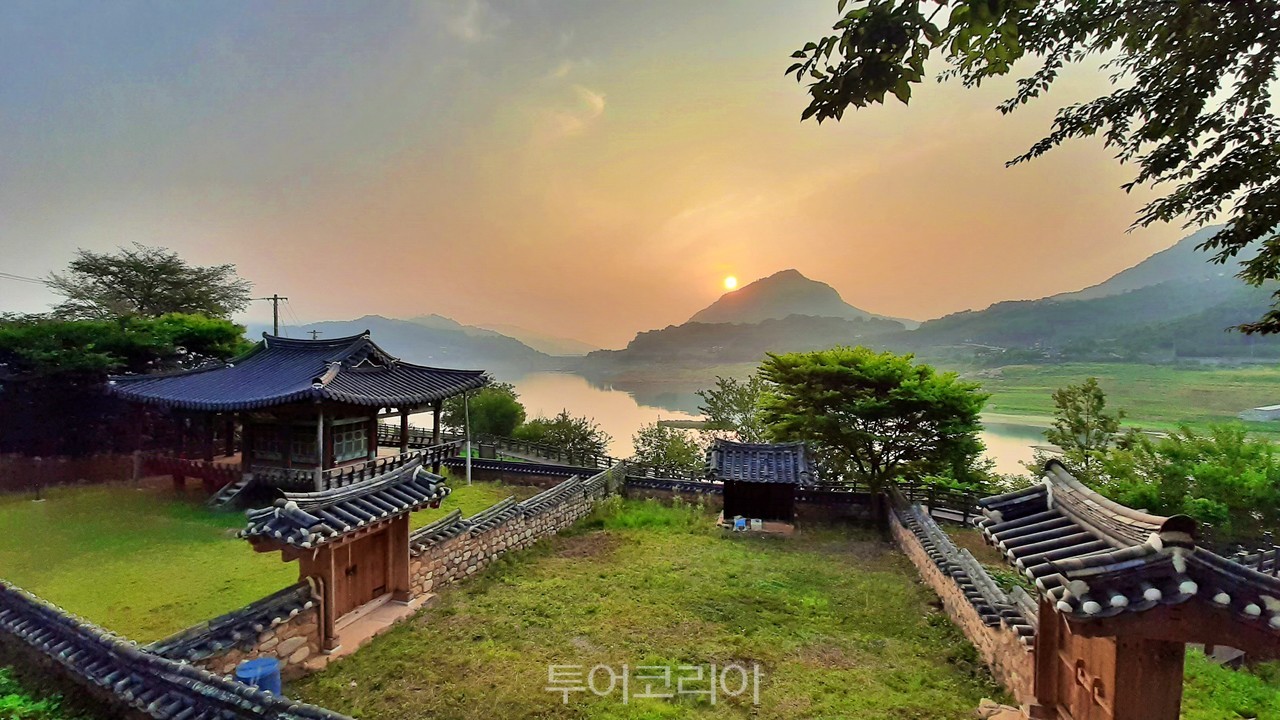 Hapcheonho scenery / Photo: TourKorea
Hapcheonho was created in 1988 when Hapcheon Dam blocked the Hwanggang stream, a tributary of the Nakdong River. The ridgelines and forests of surrounding peaks reflect on the lake’s surface like a painted landscape.
The lakeside is perfect for scenic drives, leisurely walks, fishing and water sports. Local specialties — like steamed carp, icefish and spicy catfish stew — make meals here part of the experience.
Cherry trees line the Hapcheonho trail, offering a different look every season. In spring, blossoms brighten the path; summer brings cooling shade; fall’s foliage pairs beautifully with the water; and at dawn the rising mist creates a uniquely peaceful mood.
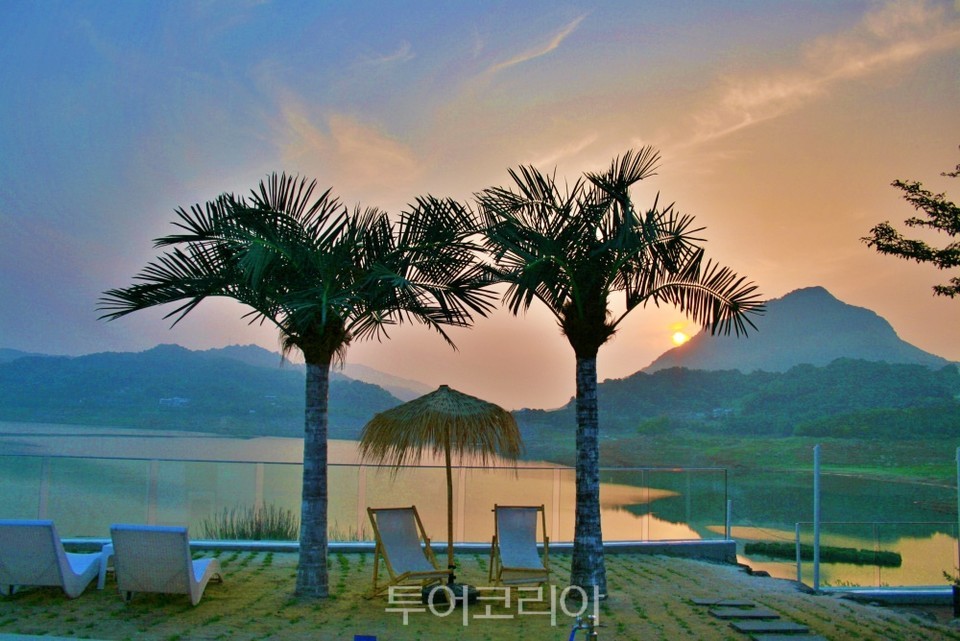
Hapcheon Shinsoyang Sports Park — a fall photo favorite framed by pink muhly and autumn blooms
Shinsoyang Sports Park is a must during fall for anyone chasing dreamy photos. Pink muhly turns the park into a rosy haze, drawing photographers and casual visitors alike.
Beyond pink muhly, the park blooms with yellow cosmos, gujeolcho and chrysanthemums. Stroll the flowerbeds and you’ll find seasonal color at every turn — and nearly every angle makes a picture-perfect autumn moment.
There are shaded rest areas, a “Pink Moon” installation and doll props in the photo zones, making the park ideal for family outings or quick, romantic stops with friends or partners.
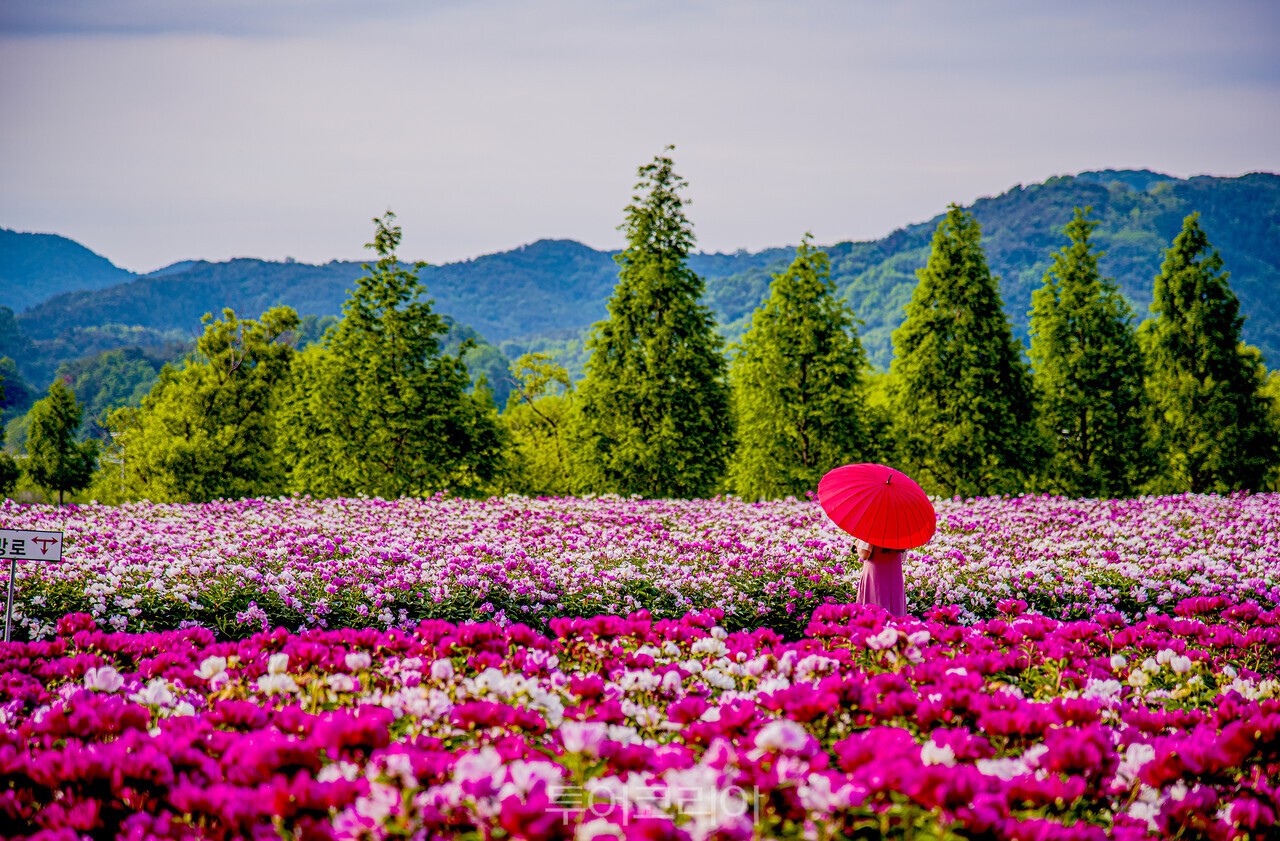
Hatdeul Ecological Park — walk the Hwanggang Masil-gil past about 6,000 pyeong of peony fields
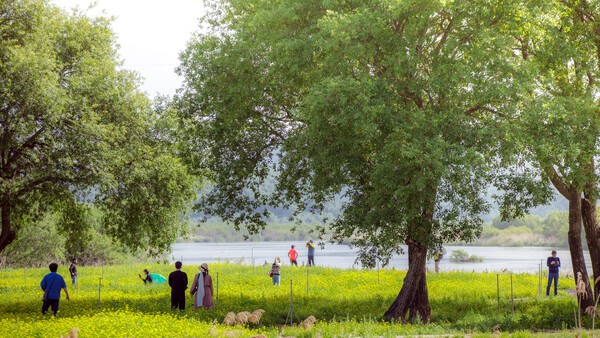
Hatdeul Ecological Park is home to a peony cultivation area of about 6,000 pyeong (roughly 213,500 sq ft / about 4.9 acres), managed by the Hapcheon Agricultural Technology Center. Located along section 3 of the Hwanggang Masil-gil trail, it’s a lovely stop for pairing flower viewing with a gentle hike.
In May, peonies burst into bloom and transform the park. The Hwanggang River runs nearby, and Shinsoyang Sports Park is close enough to visit on the same day. Civic amenities like a soccer field, park golf course and bike paths make this area easy to enjoy for a relaxed full-day outing.
Food trucks often operate during peak bloom, and the park offers rest areas and parking so visitors can stay comfortably. If you want vivid flower scenes plus a riverside stroll, Hatdeul is a spring stop you won’t want to miss.
Hapcheon Museum — where you can trace the Gaya-era Dara state
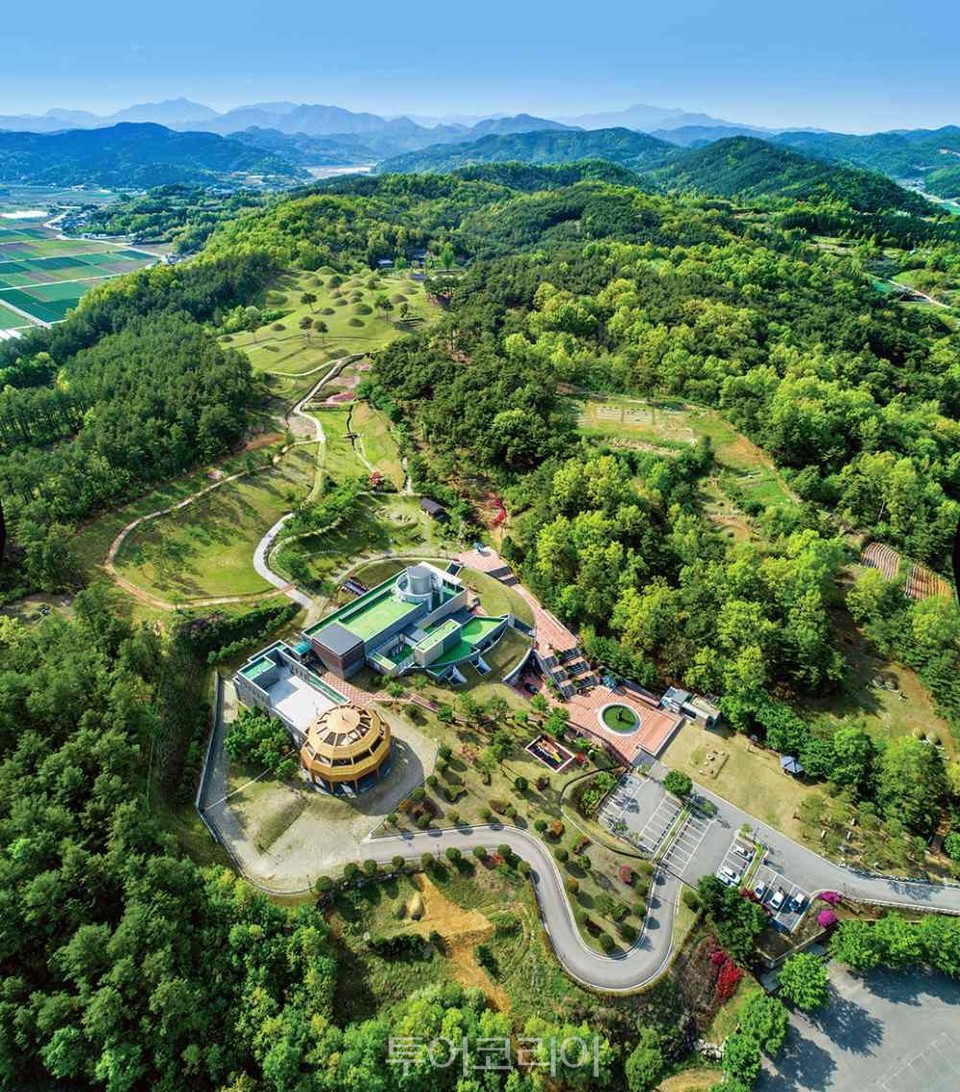
For a deeper dive into Hapcheon’s past, head to Hapcheon Museum. Opened in December 2004 to showcase local culture and history, the museum focuses on artifacts from the Okjeon burial mounds — tombs believed to belong to rulers of the Dara state during the Gaya period.
Highlights include high-value historical pieces such as a large sword with a dragon-phoenix motif, gold earrings and various ornaments. You can see Okjeon mound artifacts in the main building’s first-floor Dara Culture Room and second-floor Dara History Room, while the annex traces Hapcheon’s story from ancient times through the modern era.
Life-size reconstructions of a Gaya-era Dara ruler’s tomb, a miniature model of the Dara capital and a range of video displays help visitors grasp the era. If a nature-only itinerary feels incomplete, add Hapcheon Museum to round out your visit with historical depth.











Most Commented