
How to Dress for Europe in Summer: Your Ultimate Guide to Weather-Appropriate Outfits
Daniel Kim Views
Translation result

From June through August, Europe hits peak season — long days and clear skies keep the sun up late into the evening. Choosing the right wardrobe for summer travel can feel overwhelming, but a few smart moves make all the difference.
Here’s a month-by-month breakdown of typical weather in June, July, and August, plus practical tips to help you stay comfortable, cool, and effortlessly chic on your European summer getaway.
Summer weather in Europe

· June
June kicks off peak season. Most places average between 15°C and 25°C (59°F–77°F), so you’ll get both cool and warm days. Short sleeves work for midday, but mornings and evenings can feel chilly — bring a lightweight windbreaker or jacket. With long daylight hours, you can enjoy outdoor activities well past 9 PM. Expect occasional showers through mid-June, so pack a compact raincoat.
· July
July is full-on summer. Southern Europe — think Italy, Spain, and Greece — often sees daytime highs above 30°C (86°F). The heat is usually dry, so stepping into the shade feels like a relief. Sunscreen and a wide-brim hat are essentials.

· August
August is the height of summer. City temperatures can spike and heat waves sometimes bring record highs. Many locals take their holidays in August, so some city shops may be closed. It’s hot outside, but strong indoor air conditioning can leave you chilled, and sudden thunderstorms are possible. Breathable linens are your best friend — they keep you cool and photograph beautifully.
What to wear: Northern vs. Southern Europe

People often underestimate regional differences. In southern cities like Rome or Madrid, pack lightweight, breathable pieces — tank tops, shorts, sundresses, and linen separates. But remember: many churches require covered shoulders and knees, so bring a shawl or light cover-up.
In contrast, summer in London, northern France, Germany, and the Nordic countries can feel more like early fall. Rain can make temperatures dip fast, so layering with jackets and shirts is smart. If you’re heading to high-altitude spots like Jungfrau in the Swiss Alps, always bring a warm hoodie or jumper — even in summer.
Fabrics and footwear
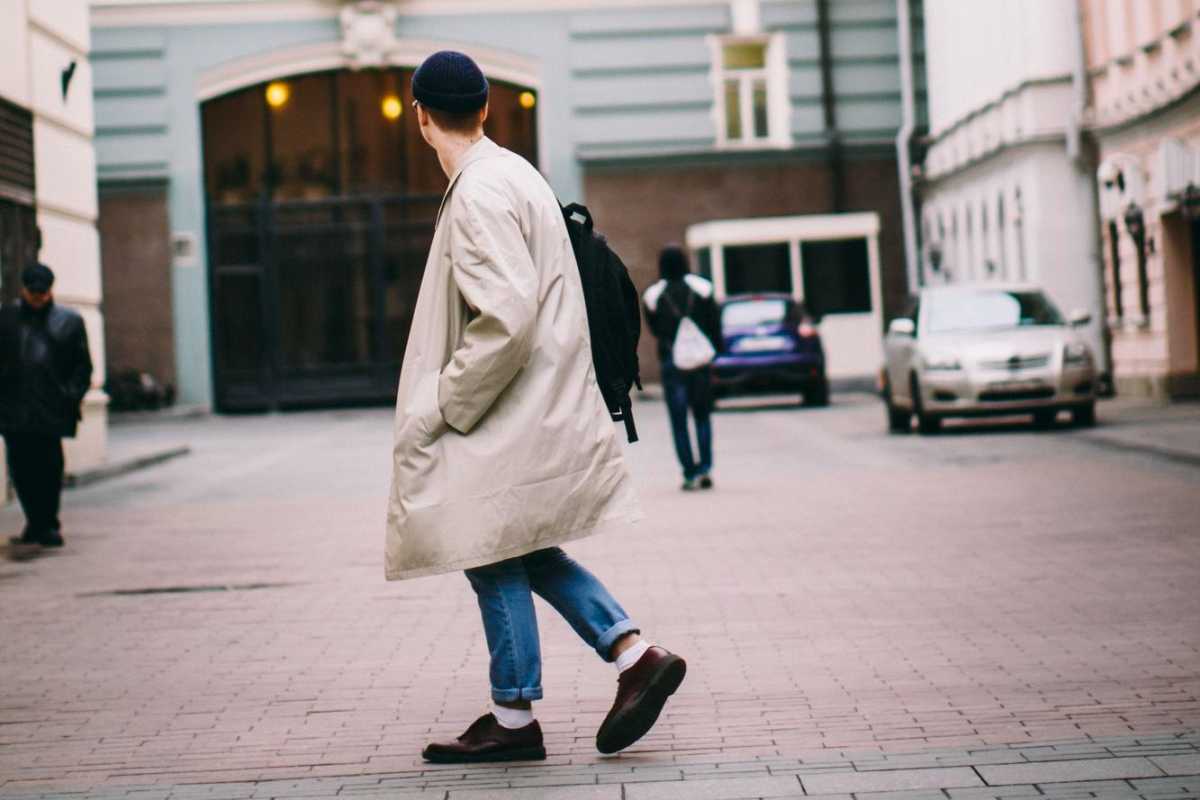
European days often involve a lot of walking — many travelers hit over 20,000 steps a day (roughly 10 miles). That makes shoes the most important item in your bag. Cobblestones are everywhere; skip hard derby shoes, dress shoes, and high heels. Also, don’t bring brand-new sneakers unless you’ve already broken them in.
For clothing, opt for quick-dry performance fabrics or natural linen and cotton. Linen wrinkles, but its relaxed texture reads effortlessly chic against European streets and helps you stay cool.
Sunglasses and a hat do more than finish a look — they protect your eyes and help release heat from your head. Light-colored clothing reflects sunlight, keeps you cooler, and makes photos pop.
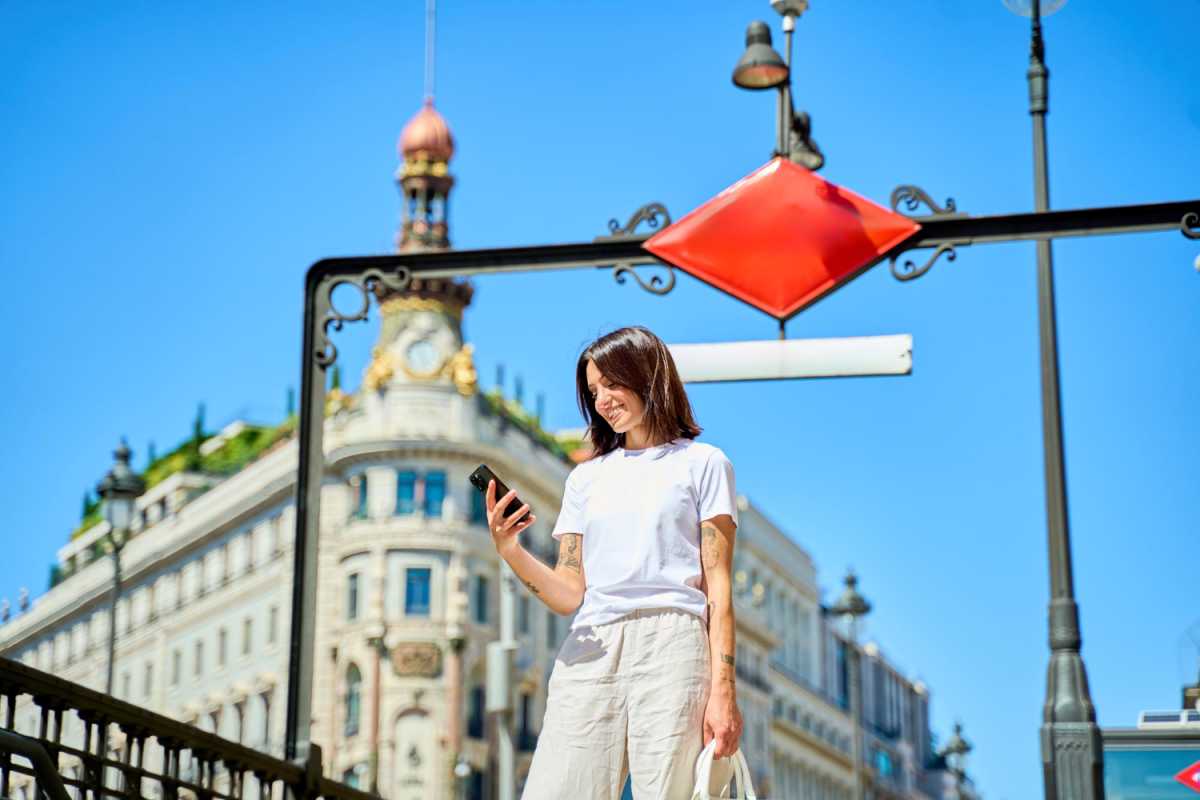
We’ve summarized what to expect from June through August and how to pack smart for summer travel in Europe. Long, romantic evenings at outdoor cafés are a summer-only luxury — don’t miss them. Anticipate changing weather and rely on thin layers so you stay comfortable in any region.
Above all, prioritize comfort and mobility over keeping up appearances. The right outfit boosts your confidence and helps you make better memories. Use these tips to pack light, travel easy, and get excited for your trip.















Most Commented