
Translation result
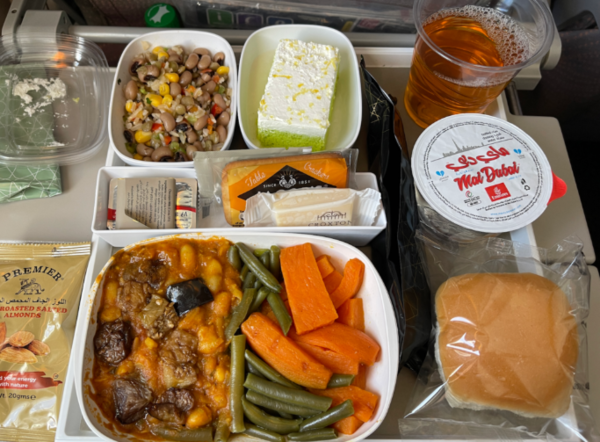
Long flights? Skip the in-flight coffee — here’s why it can make you feel worse
On long flights, you’ll naturally encounter multiple meal and drink services. People often reach for coffee without thinking, but on extended flights several factors can combine to make it more of a burden than a boost. This isn’t just a matter of taste — the cabin’s special conditions change how your body responds.
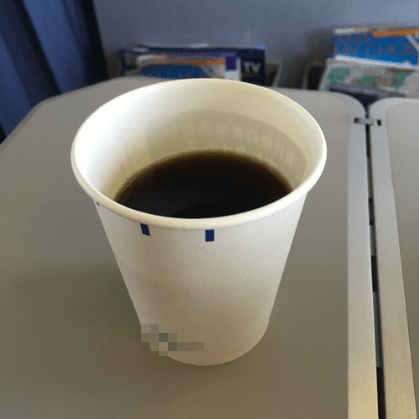
Coffee speeds up dehydration through its diuretic effect
The cabin air is very dry. In an environment where moisture evaporates faster, coffee’s diuretic effect can increase fluid loss. As a result, your body can dry out more quickly.
“Is one or two cups okay on a flight?”
You can have them, but think about the setting. If you’re already drinking less water than usual and add coffee, your body’s fluid balance can be thrown off. The longer the flight, the more those effects add up.
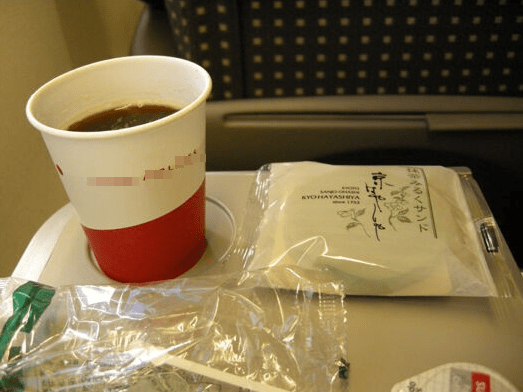
Dehydration also affects blood flow
When you lose fluids, your blood can become thicker. Sitting still for long periods already reduces circulation, and dehydration adds extra strain.
“Can a single cup of coffee have that much impact?”
One cup alone usually won’t cause a dramatic change, but the problem is when factors stack up. If you stay immobile for long stretches and remain underhydrated, you’ll tire more easily and circulation can suffer.
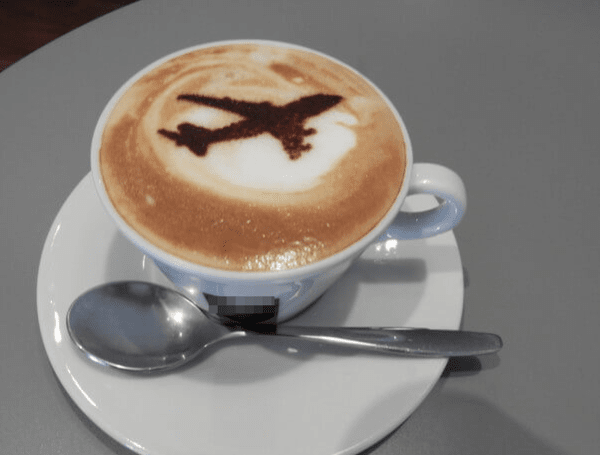
Caffeine can raise heart rate and heighten nerves
Caffeine is a stimulant. It can speed up your heart rate and make you more jittery. That can be useful at times, but in the confined cabin it can just feel uncomfortable.
“I drink it to stay awake — what’s the problem?”
It depends. On long flights, rest is important, and if caffeine interferes with sleep it makes recovery harder. It can also complicate adjusting to a new time zone.
Turbulence can feel worse with caffeine in your system
Turbulence makes anyone tense. If you’ve had caffeine, your nervous reactions can become more sensitive. Small bumps may trigger bigger feelings of anxiety.
“Isn’t that just personal difference?”
Individual sensitivity varies, but caffeine’s stimulating effects on the nervous system are common. In situations that call for calm, it can be more of a liability than a help.
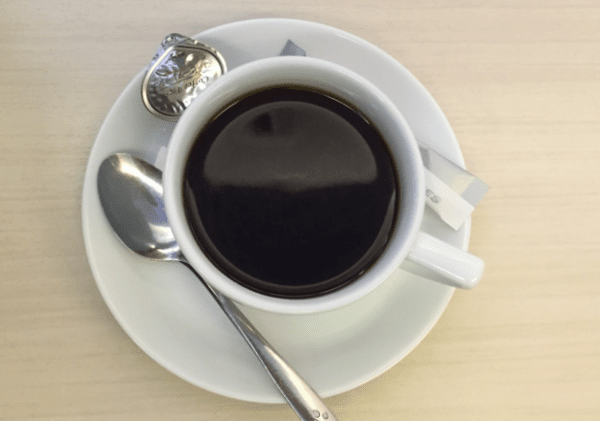
Better choices: water or decaf
On board, keeping hydrated is the priority. Drink plenty of water and, if you want a warm drink, opt for caffeine-free tea.
“But what if I really need coffee?”
If you must, cut the amount and drink water alongside it. Avoid drinking coffee on an empty stomach for steadier comfort.
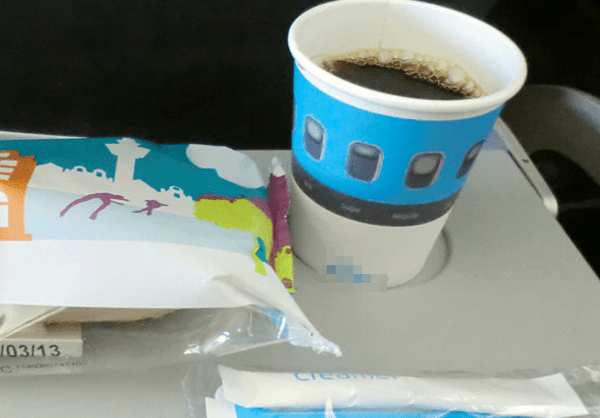
The bottom line: pick for the cabin
The airplane cabin is a very different environment from the ground. The same food or drink can affect you in new ways up there.
“It was fine on the ground but not on the plane.”
Exactly. Adjust your choices to the situation. Small changes can make a big difference to how you feel on a long flight.















Most Commented