
Translation result
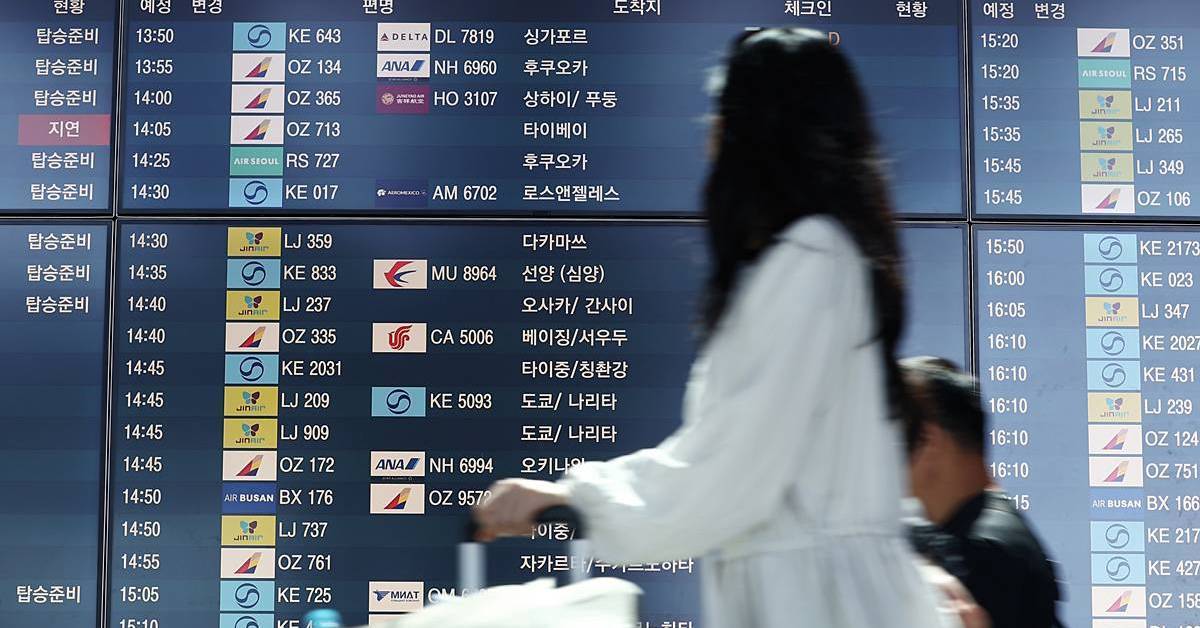
This summer’s outbound travel market is showing a surprising twist. Even as the Middle East war has pushed global oil prices higher and a weak won has sent international fuel surcharges to record levels, interest in certain destinations is heating up — especially those where you can actually cool off. Instead of cutting back because travel got pricier, many travelers are directing their searches toward places that promise relief from the heat.

The headline here is “coolcation.” With climate change making heat waves longer and more intense, travelers aren’t just looking for relaxation — they’re booking trips specifically for cooler weather. One destination, in particular, has surged in popularity among Koreans: Sapporo, Japan. From June through August this summer, flight searches from Korea to Sapporo jumped 129.32% year-over-year, making it a standout example of demand growing despite higher travel costs.
Fuel surcharges are at record highs — so why are people chasing cooler weather?
According to Smart Economy, Trip.com Group reported on the 21st that searches for “coolcation” rose 74% year-over-year. During peak summer months (June–August), searches soared 237% compared with the same period last year, highlighting the surge in demand. On traveler community Trip Moments, content about cool destinations and heat-avoidance grew 15.4% year-over-year, while keywords like “escape the heat,” “summer resorts,” and “cool trips” climbed quickly. Summer travel is shifting from a simple vacation to a kind of refuge — a deliberate escape from extreme heat.
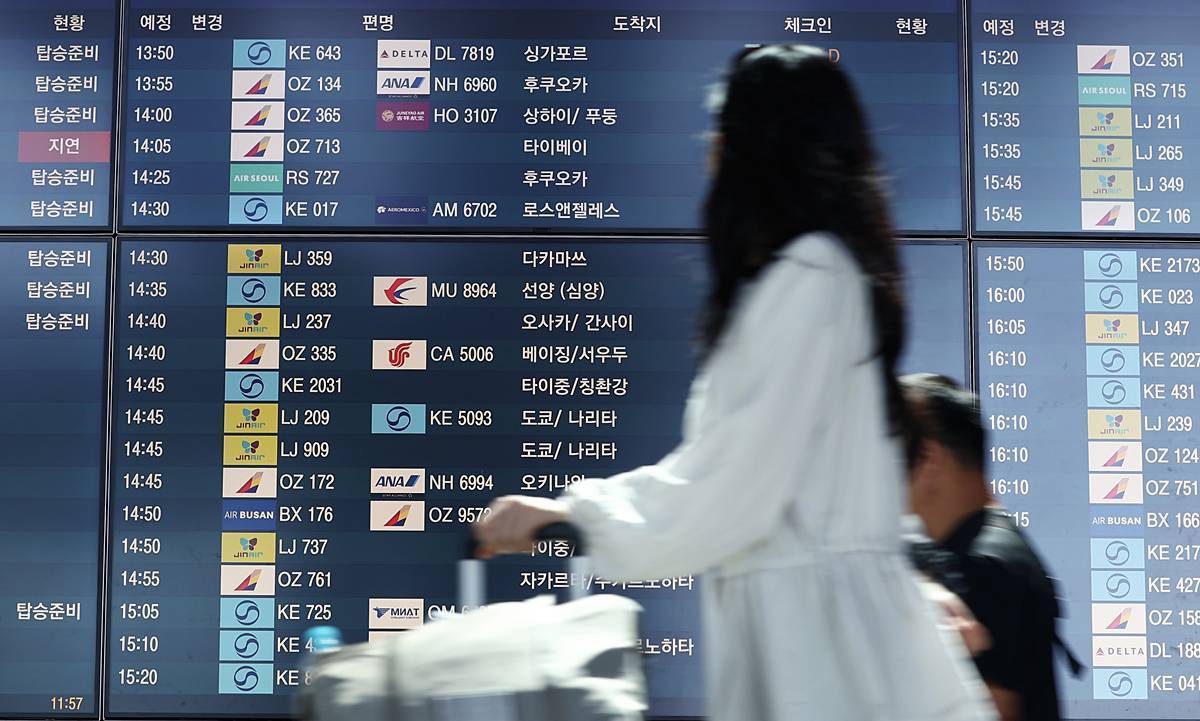
Demand has grown for cooler spots across Europe and Asia. Flight searches increased for chilly European destinations like Iceland, Norway and Switzerland — Iceland searches rose 85%. In Asia, Inner Mongolia, Sapporo and Yunnan in China emerged as go-to coolcation picks. Kunming in Yunnan, with summer averages around 23–25°C (73–77°F), saw searches climb 44%. For Korean travelers specifically, this summer’s flight-search growth hit 68.39% for Australia, 44.83% for New Zealand, 129.32% for Sapporo, and 159.57% for Yunnan. In short, people are prioritizing “how much cooler and more bearable is it?” over price alone.
Why Sapporo? The appeal of a less oppressive summer
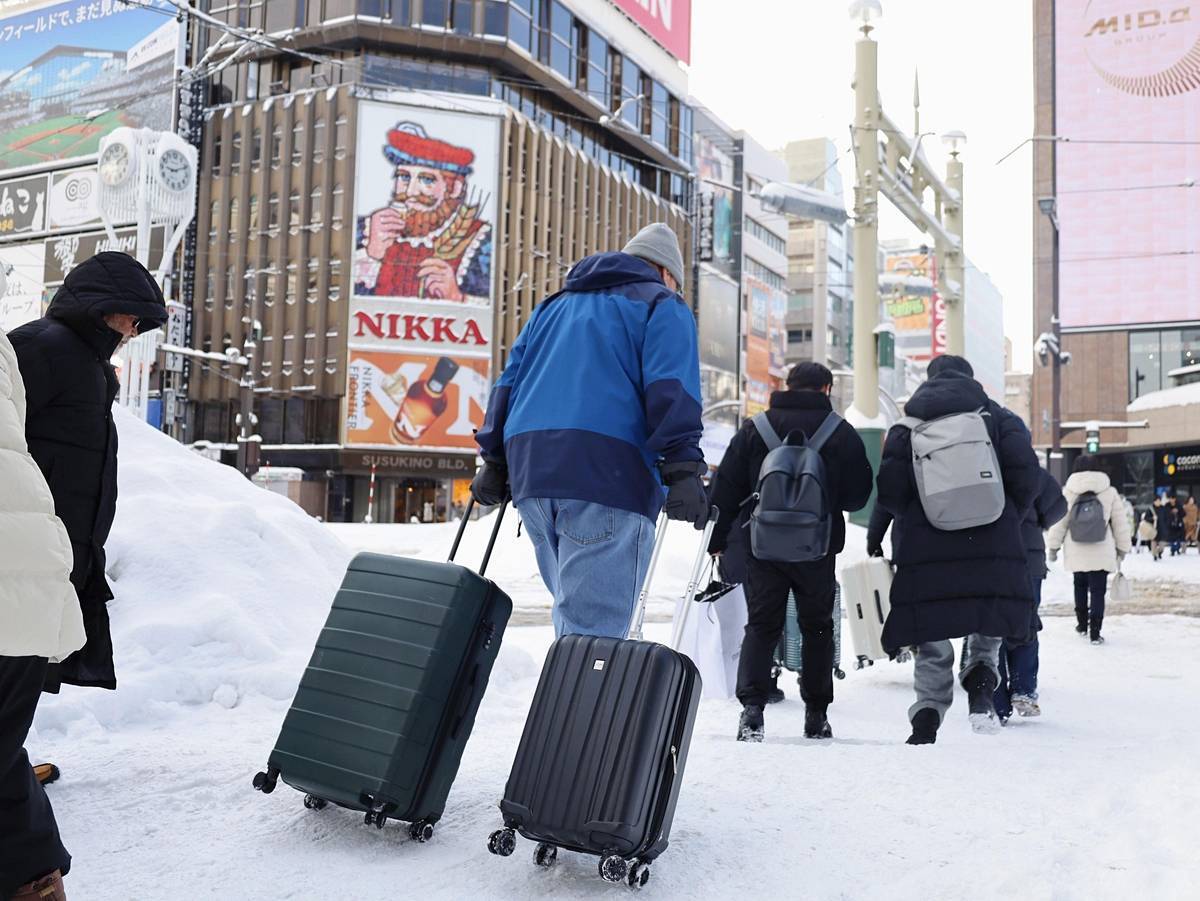
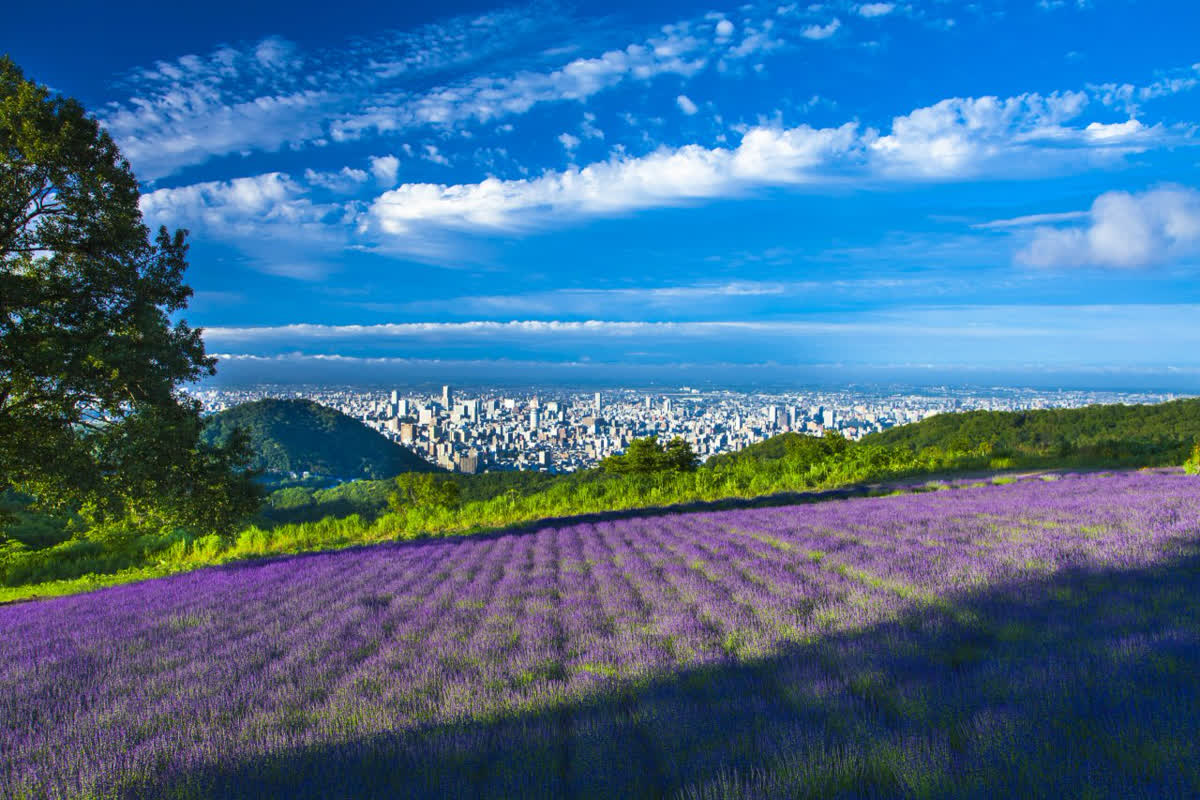
Sapporo’s rise isn’t random. Its biggest selling point is the summer climate. Hokkaido is known across Japan for milder summers, and Sapporo feels noticeably less muggy than cities on Honshu. Instead of rushing through dense, heat-soaked streets like in Tokyo or Osaka, visitors can stroll and relax in open green spaces — a slower, breath-easier pace that’s especially appealing when you’re trying to escape humidity and fatigue.
The city mixes urban comforts, nature and food in a way that makes for an easy, restorative trip. You can wander Odori Park by day, take in rooftop views and the night skyline, then head to Susukino for lively nightlife and memorable meals. Add nearby hot springs and scenic countryside day trips, and you get a satisfying itinerary without burning yourself out. Food is a major draw: Sapporo beer, jingisukan (grilled mutton), seafood rice bowls and seasonal produce often become the trip’s highlights. Sapporo isn’t about ticking off landmarks — it’s about eating, walking and resting, and that relaxed rhythm is exactly what travelers are craving.
Heat arrives earlier and summer lasts longer — “coolcation” is now a response, not a trend
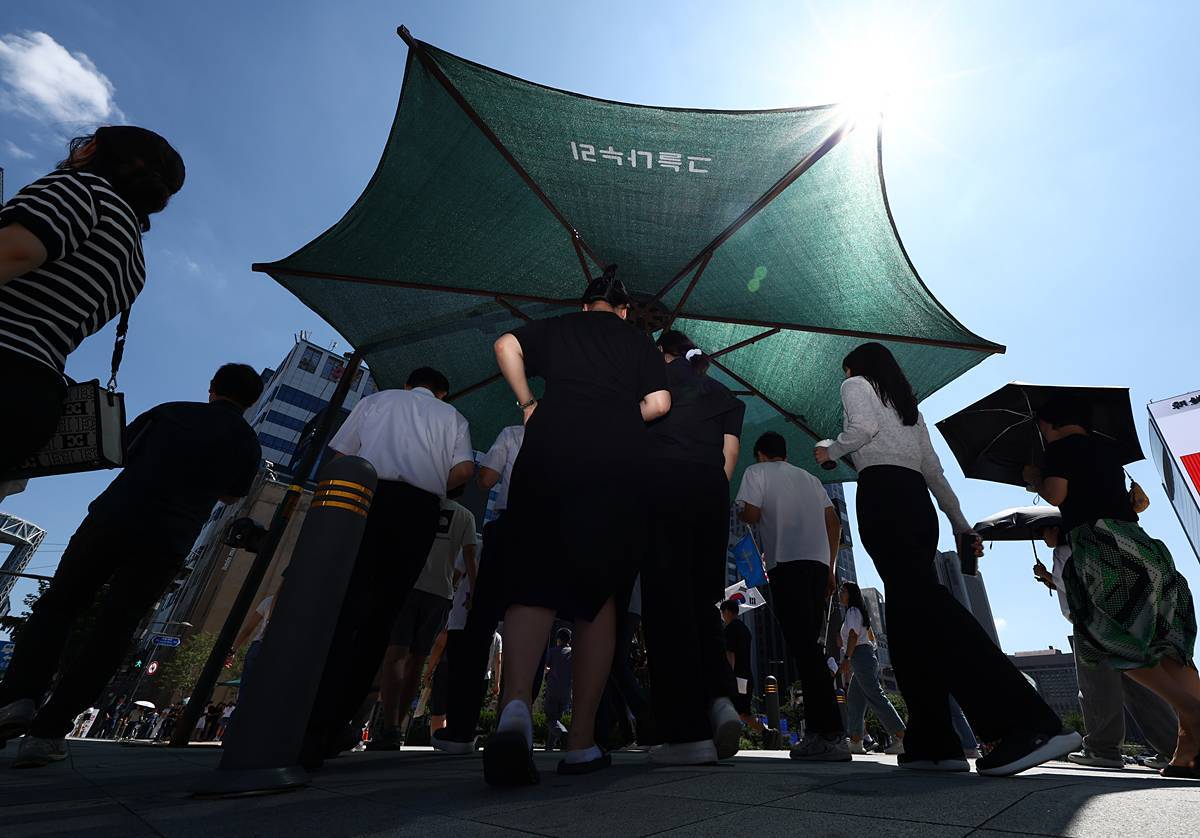
The timing of this shift lines up with forecasts for a hotter summer. An unusually early heat wave over the weekend signaled that this season could be hotter and more humid than normal. On the 18th and 19th, daytime highs climbed to around 30°C (about 86°F) in many places, and Seoul hit 29.4°C (85°F). Meteorologists pointed out that mid-April temperatures were the highest in 120 years of modern records, underscoring how early and intense the warmth was.
The Korea Meteorological Administration expects average temperatures from next month through June to be above normal, meaning summer-like heat could arrive before June. Korea’s summer is shifting earlier and getting longer — what used to start around mid-June now often arrives by late May, and the season has stretched from roughly 100 days to about 118 days. With a possible El Niño on the horizon, climate variability could grow. NOAA’s Climate Prediction Center estimated a 61% chance of El Niño between May and July and said it could persist through the end of the year. People are reacting before the heat hits — the coolcation surge feels more like practical preparation than a passing craze.
In the end, travelers judge perceived value, not price — there’s a reason people pay more
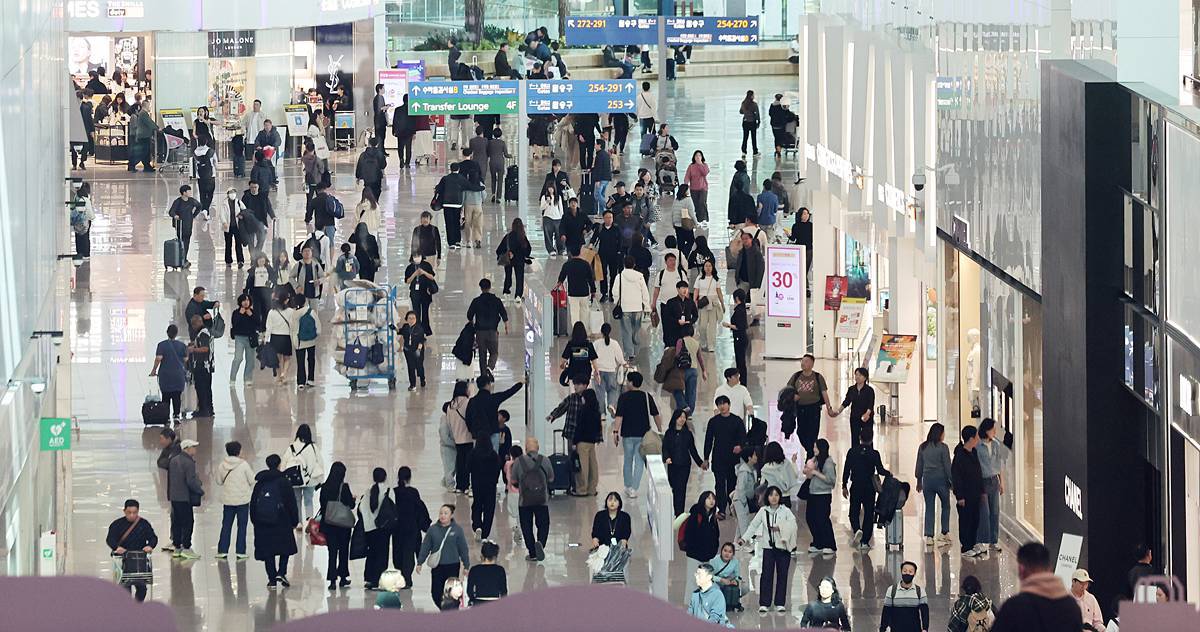
That doesn’t mean travel is getting cheaper. Quite the opposite. Surging jet fuel prices have pushed international fuel surcharges to record highs. Airlines tack on these surcharges to offset higher oil costs, and the system has hit its top tier (33) for the first time since the current method started in 2016. With May’s base rate in the top bracket, Korean Air said it would raise fuel surcharges on tickets issued next month by at least 75,000 KRW (about $56.25) and up to 564,000 KRW (about $423.00) one-way. Compared with before the war’s impact intensified, some surcharges are as much as five times higher.
Still, searches for Sapporo and similar destinations surged. That shift shows that travelers are now weighing perceived comfort and lasting satisfaction over pure price. Sapporo delivers: cooler summer weather, itineraries that blend city and nature, irresistible food, and room for restful pacing. The 129% jump in searches despite the fuel-surcharge shock isn’t a fleeting headline — it’s a sign of what people now consider a “valuable escape” as summers get hotter, longer and more exhausting. This summer’s winners won’t just be the usual tourist magnets — they’ll be the places that let you breathe and forget the heat.








Most Commented