
Discover the 90-Year Legacy of Sangju’s 3,000 Won Siraegi Haejanguk: A Must-Try Korean Comfort Food
Daniel Kim Views
Translation result
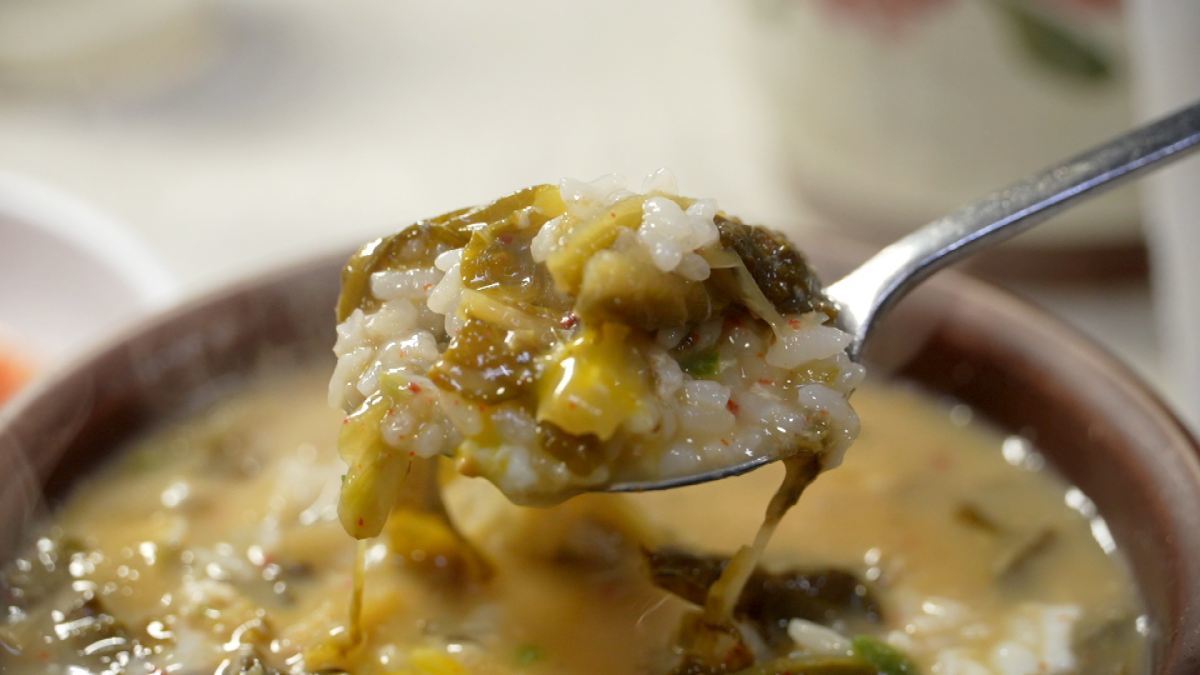
In episode 3 of EBS1’s ‘Korean Travelogue’ Value Tour, the show heads to Sangju in North Gyeongsang Province — a town that prospered where the Joryeong Pass toward Hanyang (historic Seoul) meets the Nakdong River — to share the story of a siraegi hangover-soup joint that opened in 1936 and has stayed in the same spot for nearly 90 years.
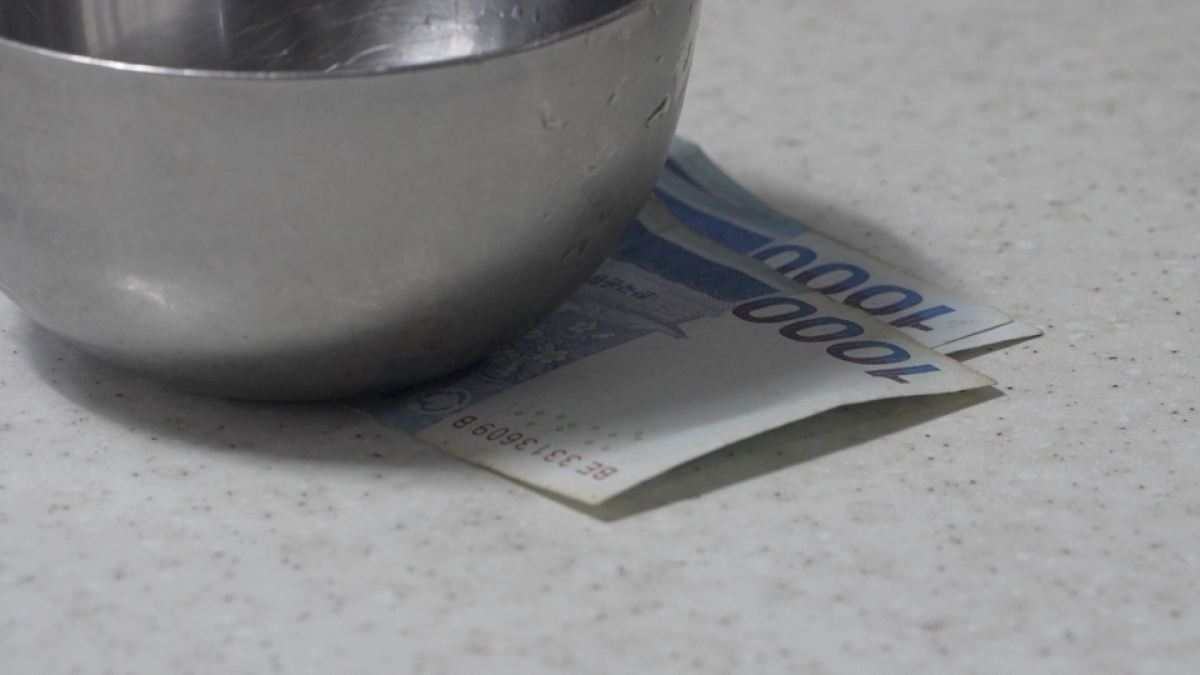
Open from 5 a.m. to 11 a.m., this eatery fuels Sangju mornings and still serves a bowl of siraegi hangover soup for 3,000 KRW (approximately $2.25). Now run by the founder’s granddaughter, the third-generation owner carries on the original spirit: keeping prices low and serving regulars with warm, personal care.
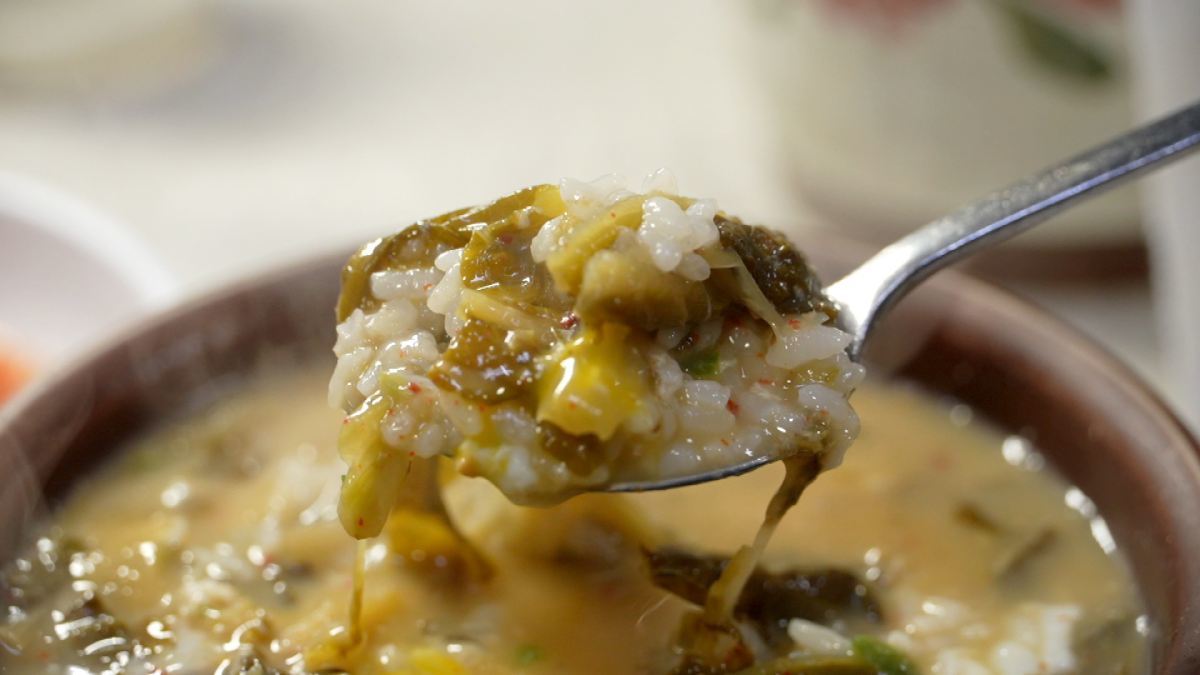
◈ ‘Korean Travelogue’ Value Tour Part 3 – 90 Years, 3,000 KRW (approximately $2.25) Hangover Soup
Sangju has long benefited from its geography. Nestled where the Baekdudaegan range’s Joryeong Pass opens toward Hanyang and the Nakdong River flows to the east, it became a natural hub for goods and travelers. The Sangju market once played a central commercial role across Gyeongsang Province and was so busy people often brushed shoulders in the aisles. Amid changing times, one constant remains: a small restaurant tucked into a market alley that holds decades of memories.
The siraegi hangover-soup restaurant that opened in 1936 is now a living piece of local history. Founded by a grandmother and now run by her granddaughter, it has served generations of customers. Remarkably, students who came here years ago still return today as elderly men with white hair — proof that the place is more than a restaurant; it’s a communal anchor for shared history.
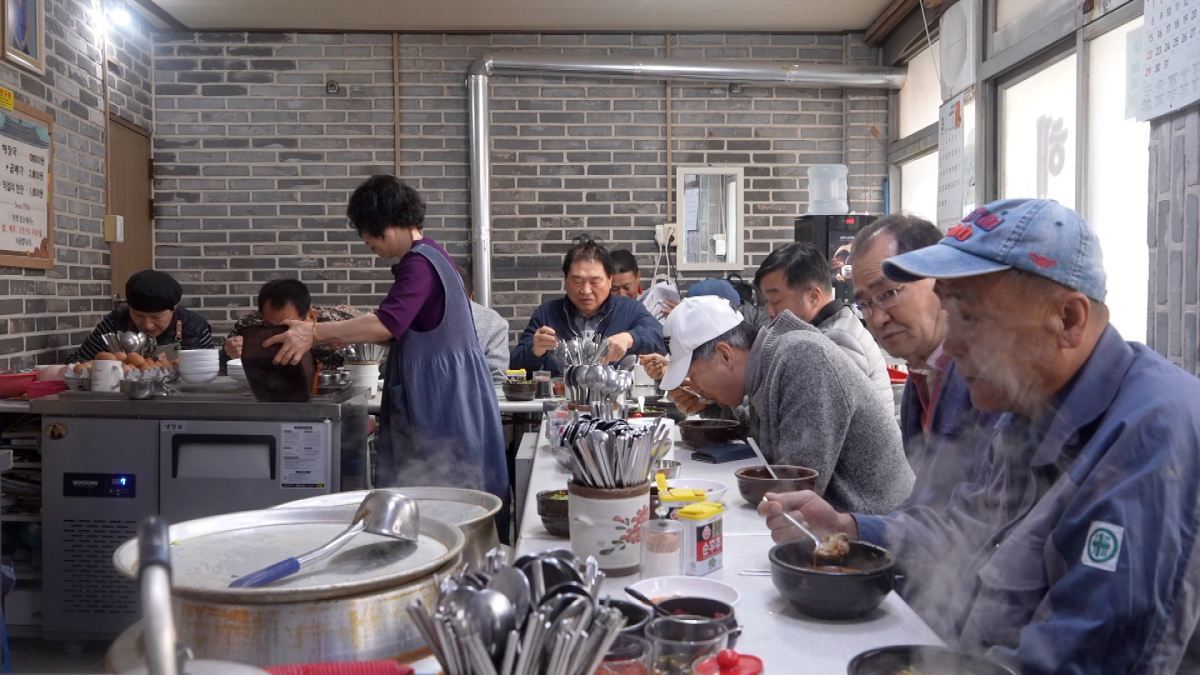
The restaurant’s core belief is simple: food for ordinary people. The founder insisted hangover soup should be affordable, and that ethos lives on — a bowl still costs just 3,000 KRW (approximately $2.25). By refusing to chase high prices, the original owner created a reliable morning ritual that fills Sangju’s early hours every day.
The current owner knows her long-time regulars intimately. Even without being told, she serves each bowl exactly how they like it. That habit of care comes from decades of attention — a small, humane courtesy born from routine. In a town that once shone with greater prosperity, the warmth in this restaurant’s steaming bowls carries nine decades of memories and the relationships that sustained them. It looks set to keep welcoming Sangju residents each morning for years to come.
What is siraegi hangover soup? A traditional Korean broth made from dried radish greens
Siraegi hangover soup centers on siraegi — radish greens (the leaves and stems of the radish) that are boiled and then sun-dried. People long preserved siraegi as a winter staple. Drying concentrates its savory flavor and softens tough fibers, giving it a distinctive taste and texture.
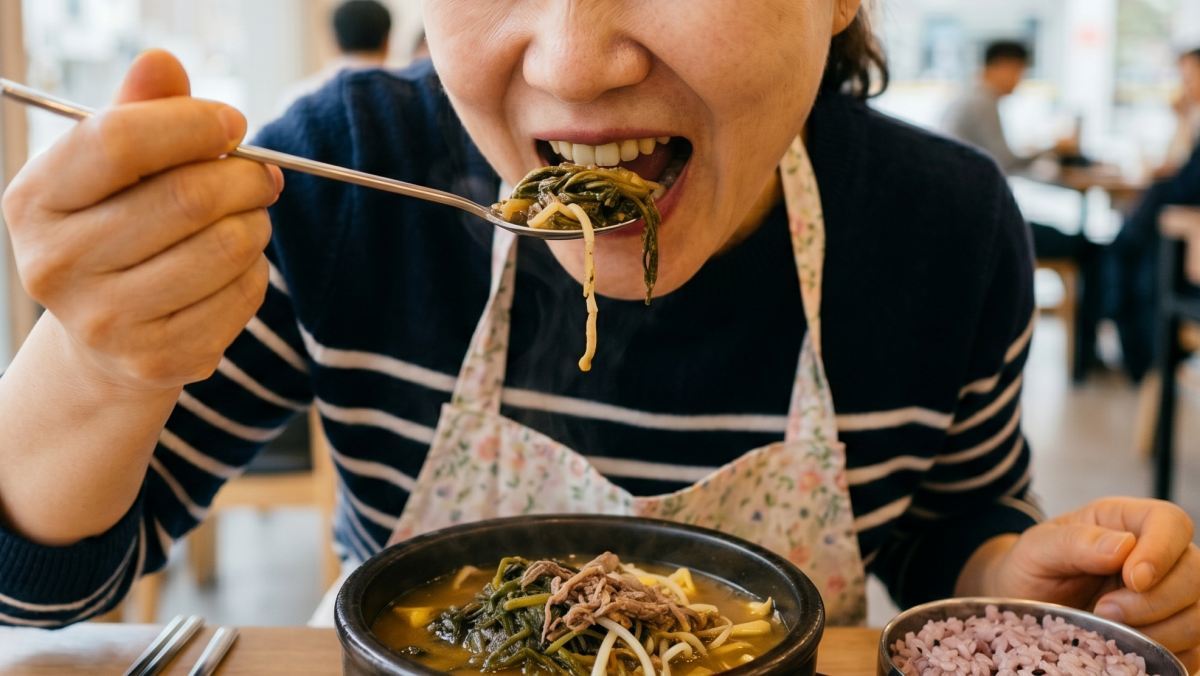
Hangover soup originally referred to soups eaten the day after drinking to settle the stomach. Siraegi hangover soup grew from that tradition and developed regional and stylistic variations. Typically, cooks simmer siraegi in beef broth, bone broth, or a broth flavored with doenjang (fermented soybean paste), then season it with garlic, scallions, and red pepper powder. Some regions add bean sprouts, blood sausage, or outer cabbage leaves.
Siraegi is rich in dietary fiber, vitamins, and minerals, making it a valuable ingredient. Drying preserves nutrients relatively well and improves shelf life, so agrarian communities used it widely. Those qualities helped siraegi hangover soup become a humble, affordable favorite.
Preparing siraegi takes time: cooks soak dried siraegi, boil it several times until it softens, then simmer it in broth. That process builds the dish’s texture and deep, comforting flavor.
Today, siraegi hangover soup appears in both specialty restaurants and home kitchens. Seasonings and ingredient mixes vary by region, but the dish is widely known as a representative Korean soup featuring siraegi’s earthy flavor and a warm, hearty broth.
Scenery and people across the country… the long-running documentary ‘Korean Travelogue’
Launched in August 2009, EBS1’s ‘Korean Travelogue’ has become a staple documentary series for EBS. The show quietly records natural landscapes, local cultures, and the daily lives of people across the country.
‘Korean Travelogue’ focuses on how places change with the seasons and on residents’ everyday routines. Each theme runs across five episodes, and producers air one episode per week, each roughly 30 minutes long. The show highlights different lifestyles and atmospheres in each region, presenting them naturally rather than staging comparisons.
The direction favors restraint. Instead of staging scenes or piling on drama, the program aims to convey the on-site atmosphere and flow as they are. Narration uses a calm tone so stories of nature and people come through plainly.
The program covers a broad range of places — mountain villages, fishing towns, farming communities, island hamlets, and cityscapes — and consistently showcases regional lifestyles and cultures that viewers rarely see. In that way, ‘Korean Travelogue’ has earned its place as a program that documents local identity and everyday life across the country.
The show still airs regularly on EBS 1TV, bringing viewers new regions and topics each week.
‘Korean Travelogue’ airs Monday through Friday at 9:35 p.m. You can find broadcast information on the EBS1 ‘Korean Travelogue’ preview page.












Most Commented