
Translation result.
What pops into your head when you think of Taiwan? Maybe juicy dumplings from bustling night markets, creamy milk tea with chewy boba, whimsical cafés with perfect photo ops — and, of course, the semiconductor companies powering so much of our tech-driven lives.
Taiwanese culture already feels familiar to many Koreans, yet there are still plenty of sides to it that most of us haven’t seen.
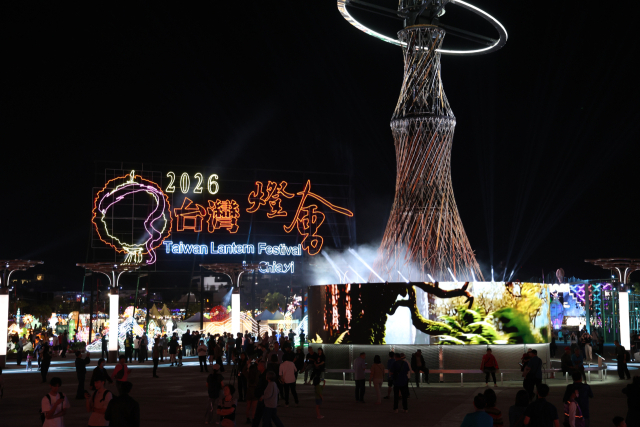
I caught the Lantern Festival in Chiayi County on the 3rd, then spent the following days wandering through the region.
◆ Countless lanterns…earnest prayers
Taiwan’s economy grew more than 5% last year, fueled largely by a semiconductor boom centered on TSMC. Still, young people face low wages and steep rents.
On this trip I witnessed that industrial growth up close — and I also found that everyday Taiwanese life is steadied by a deep cultural current.
The Lantern Festival grounds in Taibao City, Chiayi County span about 30 hectares — more than 40 soccer fields — with 20 zones and over 600 installations. The exhibition is split into two main areas: lanterns representing Taiwan and lanterns representing Chiayi County.
Among the towering lanterns lighting the night, symbols of Taiwan stood out.
The Taiwanese black bear “OhBear” romping with mountain spirits drew smiles from onlookers. Everywhere you looked, you could feel a youthful love of all things cute.
But the displays that stopped me in my tracks were the ones rooted in Buddhism.
Taiwanese Buddhism grew around four major organizations — Fo Guang Shan, Tzu Chi, Chung Tai Shan, and Dharma Drum Mountain — and stresses Humanistic Buddhism, putting Buddhist values into everyday practice.
Fo Guang Shan’s piece included a spherical sculpture nearly two stories high. Visitors wrote wishes on red paper and hung them around the installation.
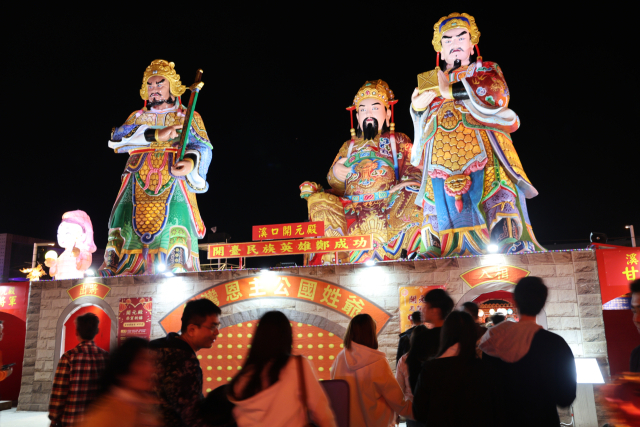
There was also a massive lantern honoring Ming general Zheng Chenggong (Koxinga), who expelled the Dutch in 1662. That piece came from Kaiyuan Hall at a temple in Xikou Township.
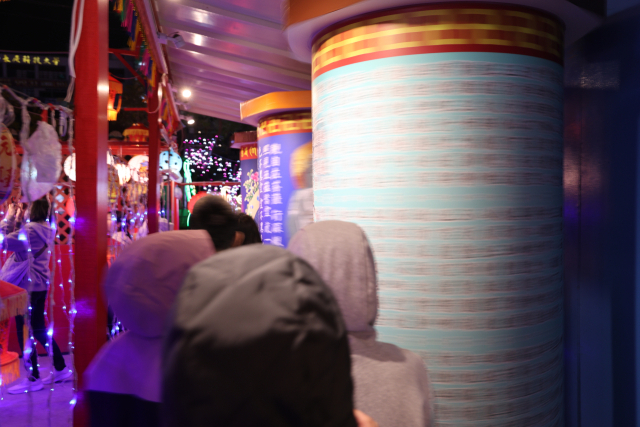
Inside the installation stood a Tibetan-style prayer wheel. In a red-lit corridor, a huge cylindrical wheel carved with scriptures and images turned slowly. Visitors pushed the wheel by hand as they walked through.
At the end of the corridor hung a bell; people rang it once before exiting. Locals believe spinning the prayer wheel brings merit and ringing the bell clears the mind. It was a tactile, immersive window into Taiwan’s vibrant folk belief traditions.
About a dozen lanterns at the festival explored Buddhism and folk faiths, and several displays drew steady crowds.
Many Taiwanese temples blend Buddhism, Taoism, and folk practices. Watching people press their palms together in prayer, I felt how naturally religion is woven into daily life.
A small Catholic booth displayed statues of the Virgin Mary and Jesus instead of lanterns. Unlike the Western-featured Madonnas common in Korea, these statues had Asian faces and wore garments patterned with Taiwanese indigenous motifs.
Christianity spread more widely in Taiwan after 1945. Catholic clergy entered the Alishan area and introduced the faith to indigenous Tsou communities, building trust through medical aid and food programs in the rugged mountains.
The next day, at a Tsou cultural village in Alishan, I found traces of that history. Even a village of about 150 households displaced by a landslide had both Catholic and Protestant churches. Today roughly 70–80% of the Tsou still identify as Christian.
◆ Chiayi County’s shift: agriculture + high tech
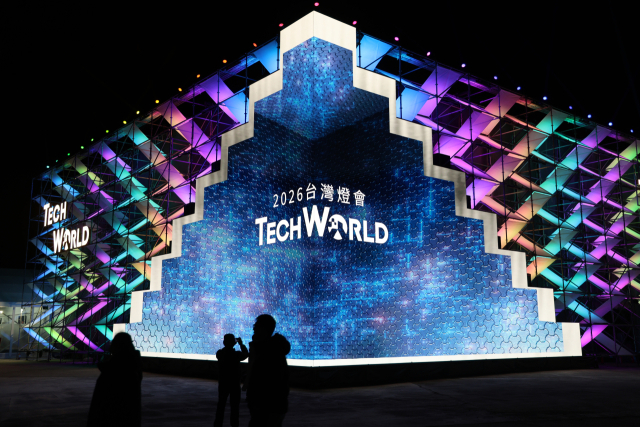
One corner of the festival was home to “Tech World,” a pavilion transferred intact from the Osaka Expo.
Inside, three screening rooms showed a film titled “Taiwan’s Future Opened by Semiconductors.”
“Like water and air, semiconductor chips are woven into our daily lives — and Taiwan makes those chips,” the film said.
The message: semiconductors are the technology that can help societies navigate crises like war and climate change and build a better future.
A 10-minute drive from the festival site, TSMC is constructing an advanced packaging plant that will combine compute chips and high-bandwidth memory to create AI semiconductors.
Chiayi County was once best known for Alishan, sugar, rice, and tea — agriculture and nature tourism. Lately, though, it’s drawn semiconductors and drone industries, and its economic makeup is changing fast. That transformation was clear at the Lantern Festival.
◆ A smooth cup of tea…like the Taiwanese
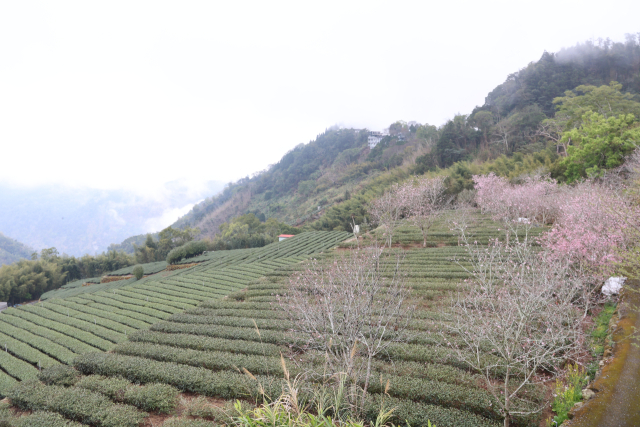
On day three I visited highland tea fields in Alishan. Panlu Township sits at about 1,200 meters above sea level and is a key oolong tea growing region.
The climb up the mountain road felt a bit like heading up Hangyeryeong on Seoraksan. Tea shops and guesthouses lined both sides of the route.
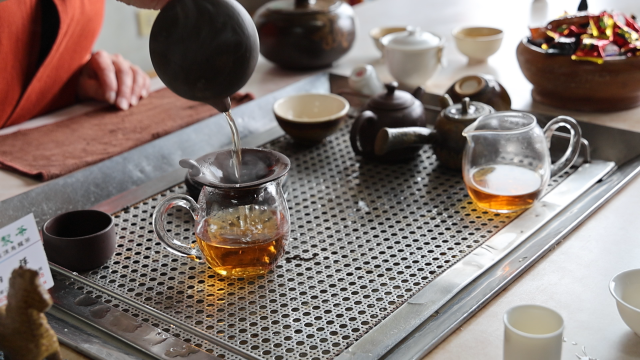
At a place called Wookrye Tea, I watched the tea-making process.
Taiwanese oolong and black teas are steamed and fermented. Farmers harvest when a leaf reaches roughly the length of an index finger.
Leaves with a bud plus two attached leaves get the highest grade. Younger leaves yield stronger aroma and a smoother flavor.
Producers press the tea into round cakes under heavy pressure, a step that further ferments the leaves.
It used to be all done by hand, and aficionados say hand-crafted tea tastes noticeably different from machine-made batches.
I tried pressing a tea cake myself — compressing that solid ball required more strength than I expected. A single cup of tea represents a lot of labor and care.
I tasted the tea made there. The first cup released a warm, savory aroma, and the flavor mellowed as it steeped. It went down as easily as water.
Sipping the tea, I felt calm. The gentle, friendly manner of the Taiwanese seemed to mirror the tea itself.










Most Commented