
Translation result
At the tail end of March, when cherry blossoms drift through the air, plenty of us are already daydreaming about a summer getaway in Europe. But when you open a booking site with that giddy excitement, the first roadblock you’ll run into is usually the price of flights.
As of 2026, with airlines expanding routes and launching new services, the gateway you choose can sway the fare by roughly ₩300,000 (about $201) on the low end to ₩1,000,000 (about $670) on the high end.
Today I’ll highlight the wallet-friendly gateways that help stretch your travel budget and the pricier destinations that call for a bigger splurge, so you can decide where to save and where to indulge.
Western Europe gateways: Paris & Frankfurt
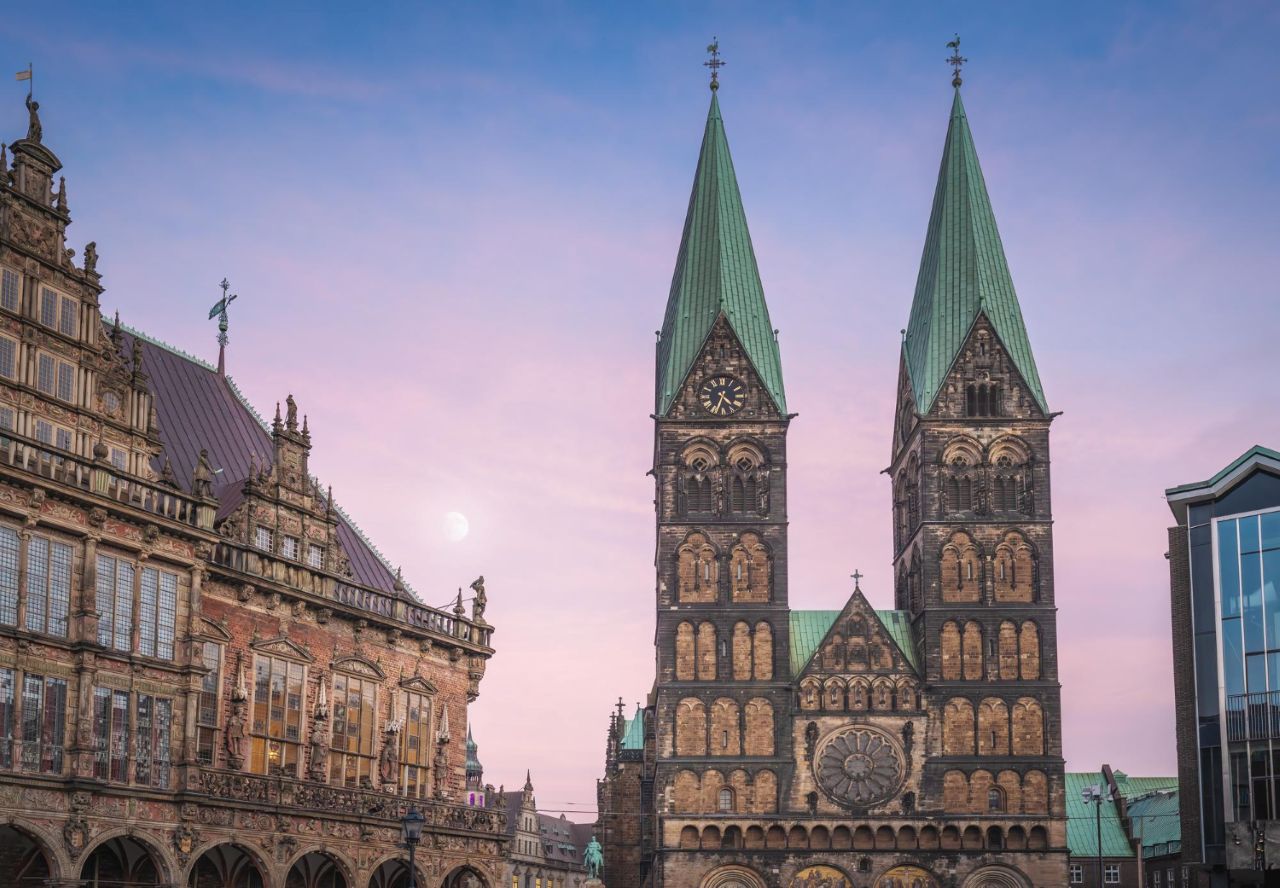
If you’re asking which cities reliably offer the most stable and affordable flights into Europe, Paris and Frankfurt immediately come to mind. Both are massive hub airports where global carriers battle hard on price, which usually works in travelers’ favor.
In 2026, with both flag carriers and foreign airlines operating at high capacity, savvy travelers who use smart connections can sometimes snag off-peak tickets in the low ₩1,000,000 range (about $670).
Frankfurt’s central location makes it a perfect jump-off point for trains or budget flights to neighboring countries, while Paris’ sheer number of routes means last-minute deals and flash sales pop up more often. If value is your top priority, start your search with these two.
Eastern Europe: Budapest & Warsaw
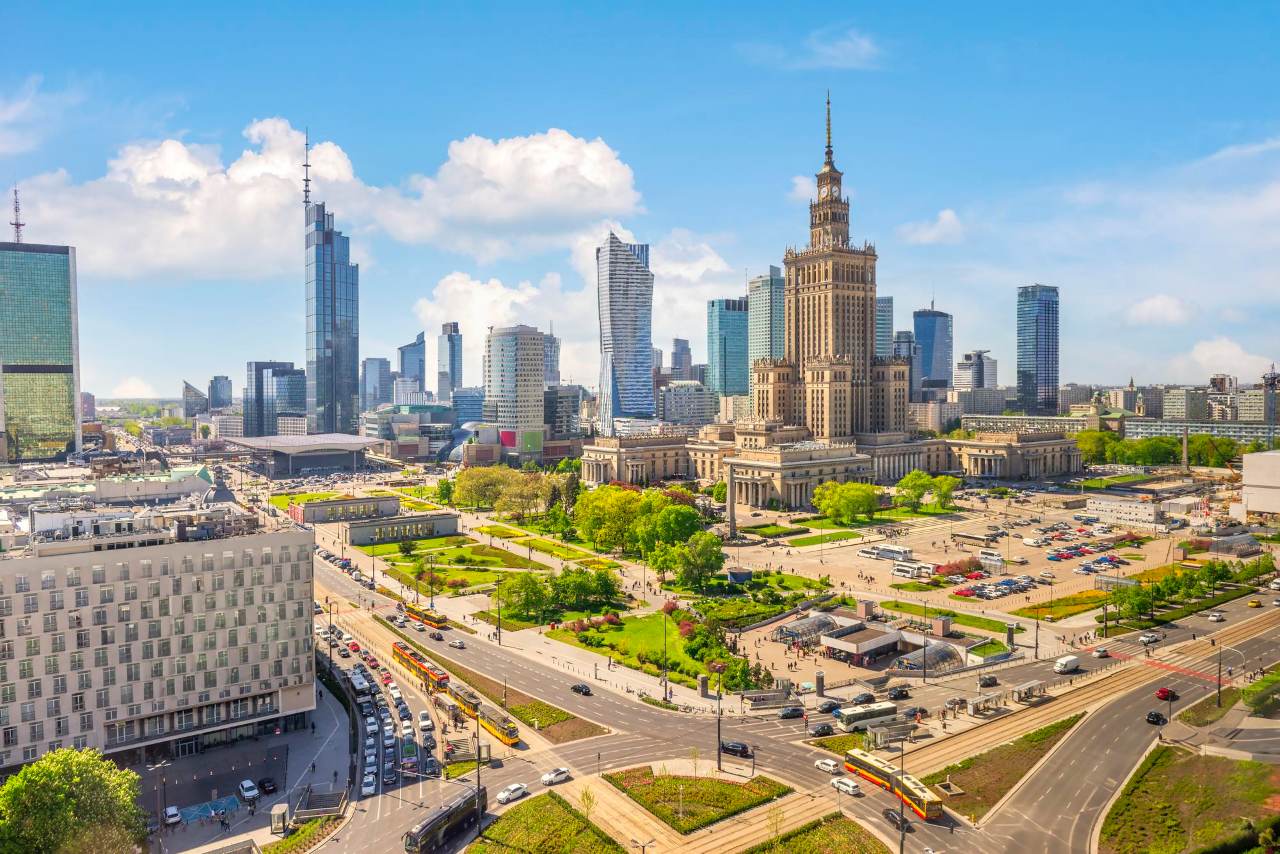
In recent years, Eastern Europe has become a favorite among savvy travelers trying to cut flight costs. Budapest and Warsaw generally have lower airport fees than Western Europe, and local carriers’ aggressive promotions often create very attractive fares.
For travelers from places with few direct options, routes through Central Asia or the Middle East can sometimes unlock especially cheap connections. Beyond the tickets, day-to-day costs in Eastern Europe are often about half of what you’d pay in Western Europe.
From the moment you arrive, you’ll feel the savings—in accommodations, meals, and activities. If you want to travel longer without blowing your budget, these destinations are hard to beat.
Nordic gateways: Iceland & Norway

On the flip side, some destinations practically make you wince at the price tag—Reykjavik in Iceland and Oslo in Norway, for example. These places are either geographically isolated or experience demand spikes tied to seasonal draws (aurora season, the midnight sun), which keeps fares elevated much of the year.
Iceland often requires an extra connection from major European hubs, and airport taxes there are famously high. With inflationary pressure continuing into 2026, expect to budget at least 1.5 times what you’d spend flying into Western Europe for tickets to the Nordic countries.
Still, the jaw-dropping natural landscapes on offer are absolutely worth it—these are dream trips that justify the splurge.
Luxury resorts: Mediterranean islands and Zurich, Switzerland
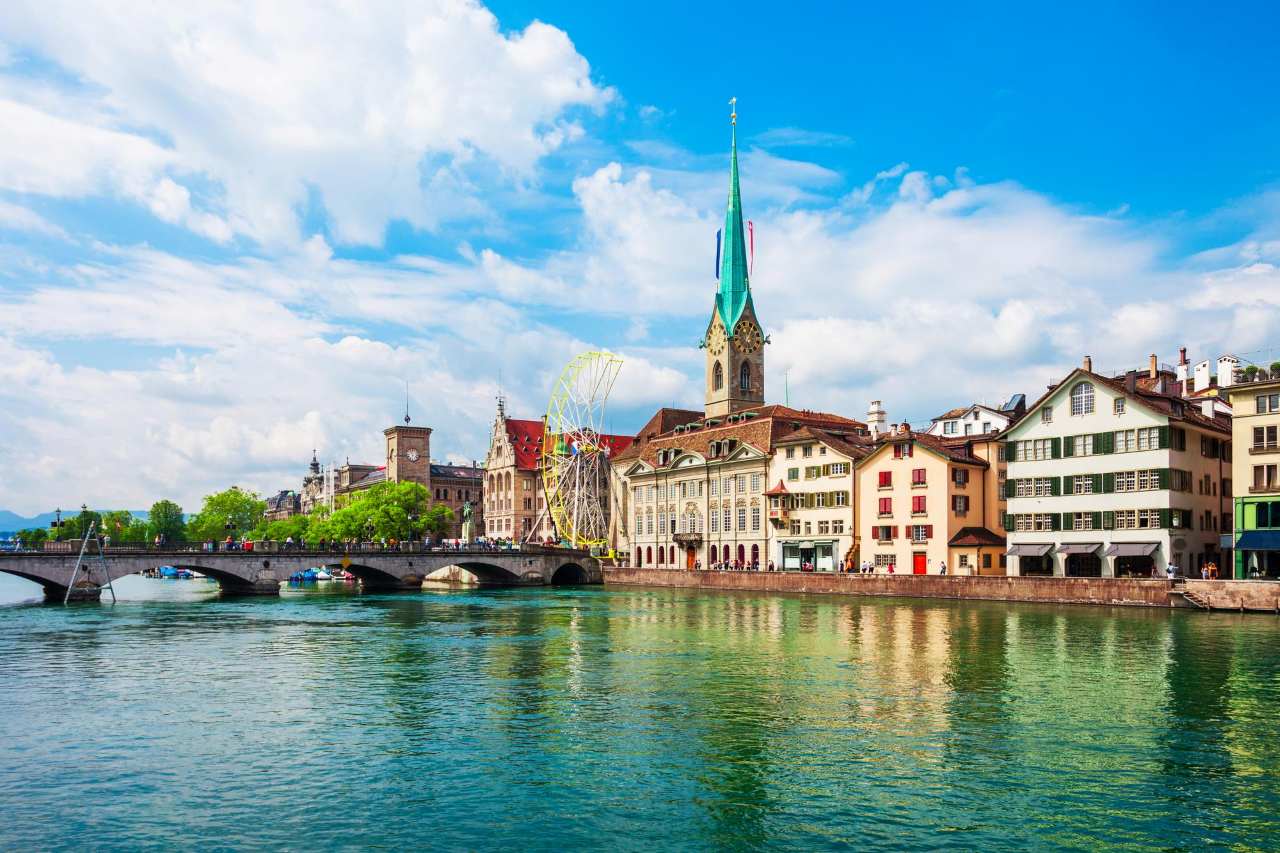
Finally, some places carry an unmistakable premium: Zurich and many Mediterranean resort airports. Zurich Airport is renowned for its efficiency and cleanliness, but those perks come with higher airport fees that show up in ticket prices. Switzerland’s high cost of living also means discounts are rare.
Mediterranean islands like Santorini or Sicily are often served by smaller aircraft, and peak-season demand is so intense that prices don’t drop much.
For these spots, the most budget-friendly move is usually to fly into a major gateway like Rome or Athens and book a separate low-cost carrier onward. If you want luxe comfort, be ready to pay—but if you’re watching your budget, these routes are first on the chopping block.
If you want the best value, target major hubs such as Paris or Budapest. Use the city profiles above to allocate your holiday budget wisely—the money you save on flights could buy you a truly memorable dinner in Europe.
(Photo credit: ⓒDesigned by Freepik)















Most Commented