
Translation result
Travel YouTuber Pani Bottle made a striking choice: she hired private armed guards to explore Johannesburg, South Africa—ranked among the world’s most dangerous cities.
On the 26th, she uploaded a video titled Hiring Private Security to Travel in a City Where Public Safety Has Collapsed. In it, she pulls back the curtain on Johannesburg’s stark inequality and high crime rate, sharing a rare travelogue escorted by armed bodyguards.
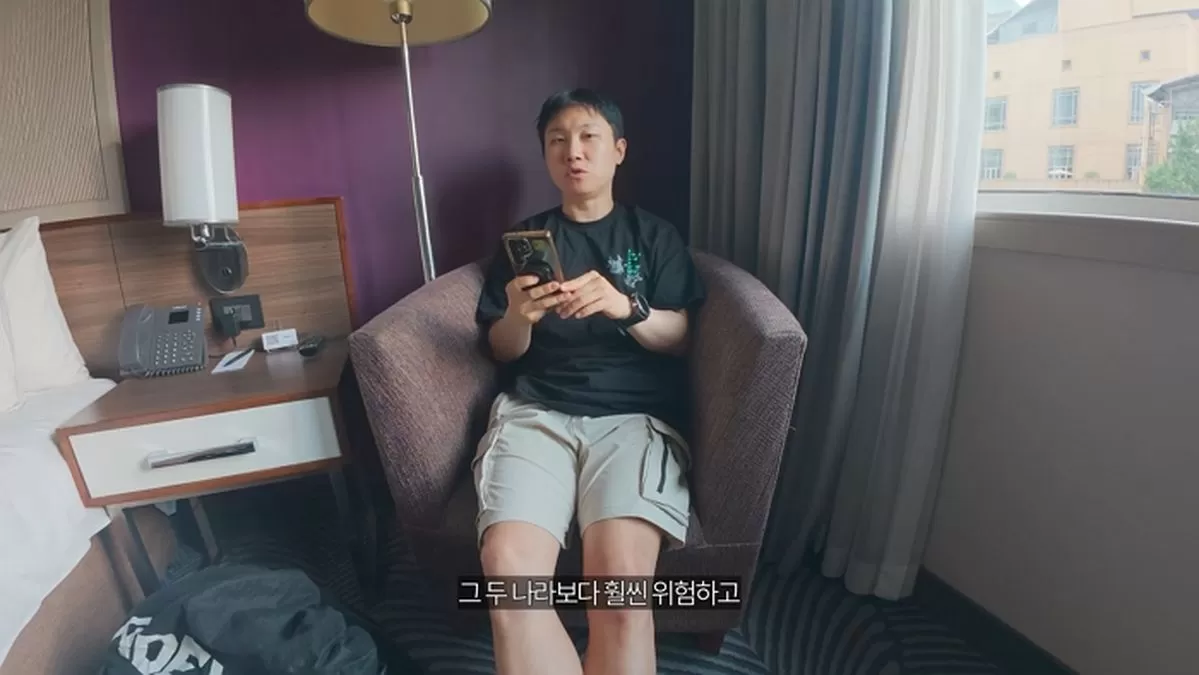
Before she left, Pani Bottle dug deep into South Africa’s security landscape. She even asked an AI to compare it to Mexico and Brazil. The response was stark—South Africa came back as far more dangerous, to the point that the AI said Mexico would seem like paradise—and it warned against walking at night and flagged risks like armed robbery and carjacking.
After learning that acquaintances had been robbed in broad daylight—one even had their pants torn during the attack—she agonized over the decision and ultimately hired armed guards and a private car service for $800 a day (approximately 1,066,667 KRW). It was the only way she felt she could visit places she wouldn’t risk going to alone.
Her journey began in Soweto, South Africa’s most famous township and an important historic site. Tourists come to see Nelson Mandela’s former home, but the area still struggles with security.
Escorted by armed guards, Pani Bottle toured around Mandela’s house and sampled local dishes like akpi (pig’s trotters) and a spinach dish. The guard explained that crime in Johannesburg averages about 62 incidents a day and said weak law enforcement has allowed the private security industry to expand unusually fast.
The next stop was the Hwamaimai Market in the city center. The market brimmed with odd items used in traditional witchcraft and with handmade shoes made from repaired tires, offering a vivid snapshot of local life.
Pani Bottle was stunned by a cooking technique that splashes gasoline on meat to create a charred flavor, but she said the scene felt electric and she did her best to embrace the local culture. The guard’s practical advice—keep extra distance from the car ahead to avoid smash-and-grab thefts—captured the city’s tense day-to-day reality.
The highlight of the trip was a visit to Ponte Tower, a landmark with a turbulent past.
Once a luxury high-rise for affluent white residents, the tower deteriorated after the end of apartheid, becoming a center for illegal squatting and crime. Today it’s been refurbished enough to host guided tours.
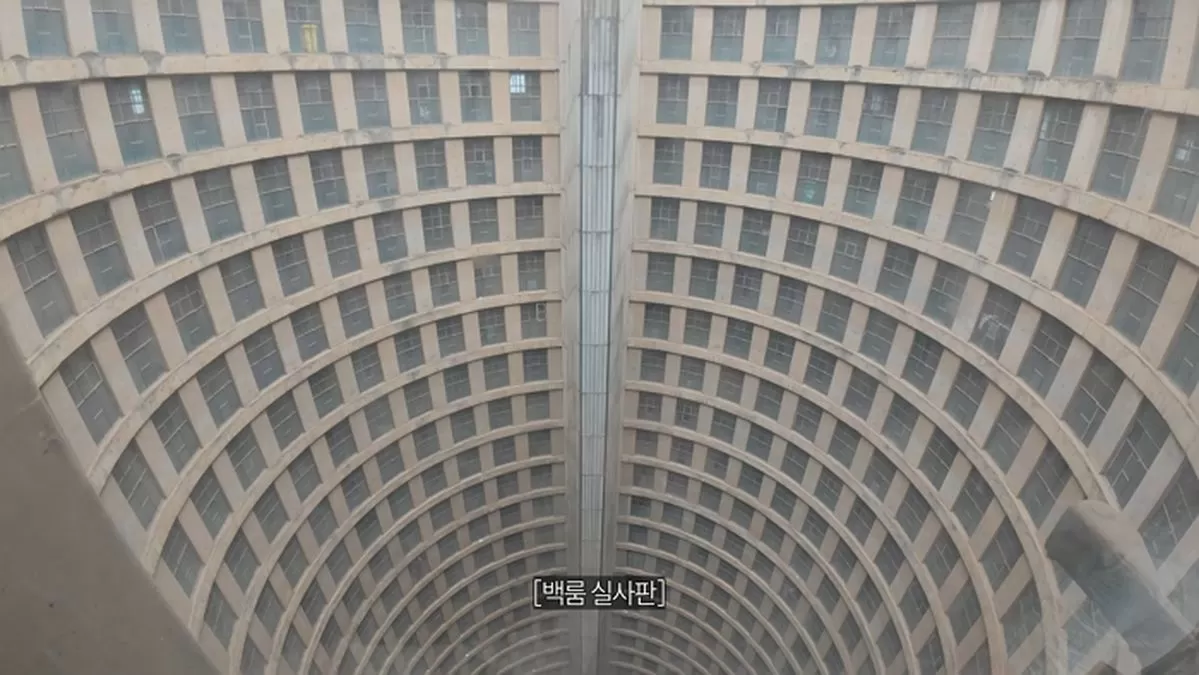
Pani Bottle took in the city from the 51st floor and explored the tower’s massive central communal space known as the core, marveling at its scale. She said, “It feels unreal,” calling the tower’s history—abandoned, then reborn as a tour destination—astonishing.
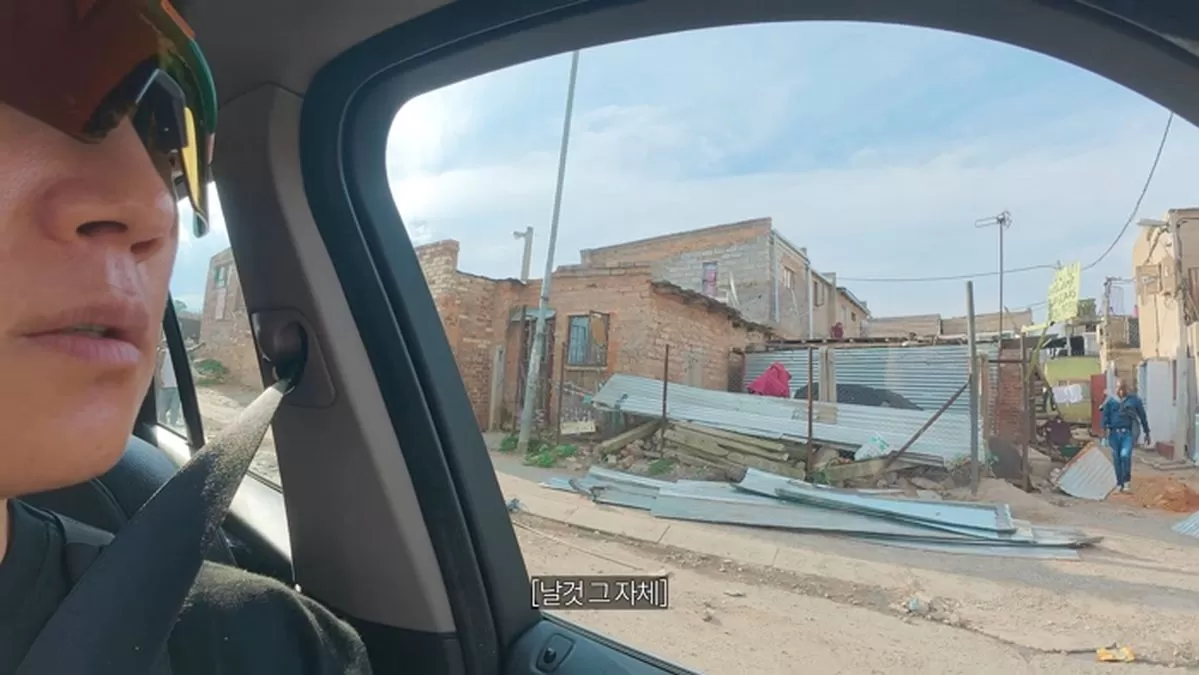
Her final stop was a neighborhood of extreme poverty, filled with dumps and dilapidated homes. The stark contrast with an affluent area just 10 minutes away drove home South Africa’s severe wealth gap.
She said that in her home country such underdeveloped areas are the exception, but in South Africa it felt like the opposite, and she expressed sadness at the harsh conditions in predominantly Black neighborhoods. The guard said this is the real South Africa and that he wanted to show it honestly.
Pani Bottle wrapped up the trip with a final meal at the relatively secure Nelson Mandela Square before heading to the airport.
She admitted that hiring armed guards—at significant expense—felt like her best compromise between critics who called traveling to a dangerous place irresponsible and those who accused her of overcaution. She added that, despite the danger and inequality, South Africa has a great climate and real potential, and she hopes improved security will make it easier for more Korean travelers to visit comfortably in the future.










Most Commented