
Translation result.
Indian Embassy in Korea Launches Vibrant Tourism Roadshow
Buddhism · Wellness · Active Adventures
Flights & Visas: Travel to India Just Got Easier
Indian Embassy in Korea Launches Vibrant Tourism Roadshow
Buddhism · Wellness · Active Adventures
Flights & Visas: Travel to India Just Got Easier
“India has changed a lot recently.”
A representative at the Indian Embassy’s tourism roadshow captured the shift in how people think about travel to India. Once seen as distant and difficult, the country is reinventing itself as an experiential destination—modern infrastructure paired with curated travel experiences.
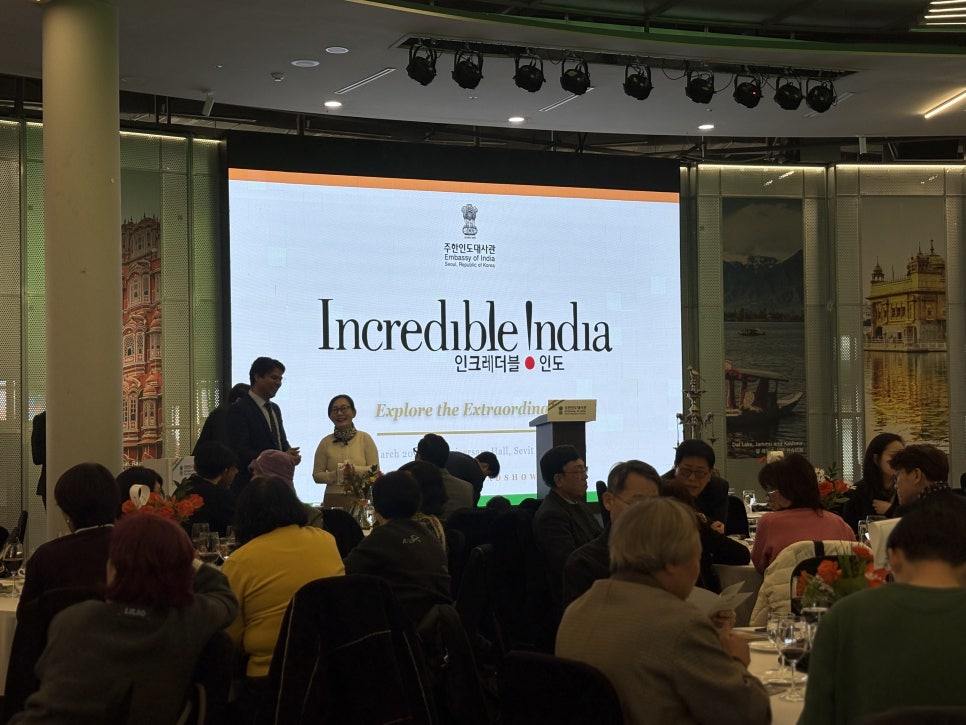
Indian Embassy tourism roadshow / Photo: Ji-eun Kim, Travel+ reporter
On March 16, the Indian Embassy in Korea hosted a tourism roadshow at Sebitseom in Seoul’s Seocho district. Under the theme “Incredible India: Explore the Extraordinary,” the event showcased India’s evolving tourism landscape and introduced a variety of travel experiences.
‘Buddhism · Wellness · Activities’ — Diverse Travel Offerings
‘Buddhism · Wellness · Activities’ — Diverse Travel Offerings
The roadshow highlighted a range of themed travel experiences from across India.
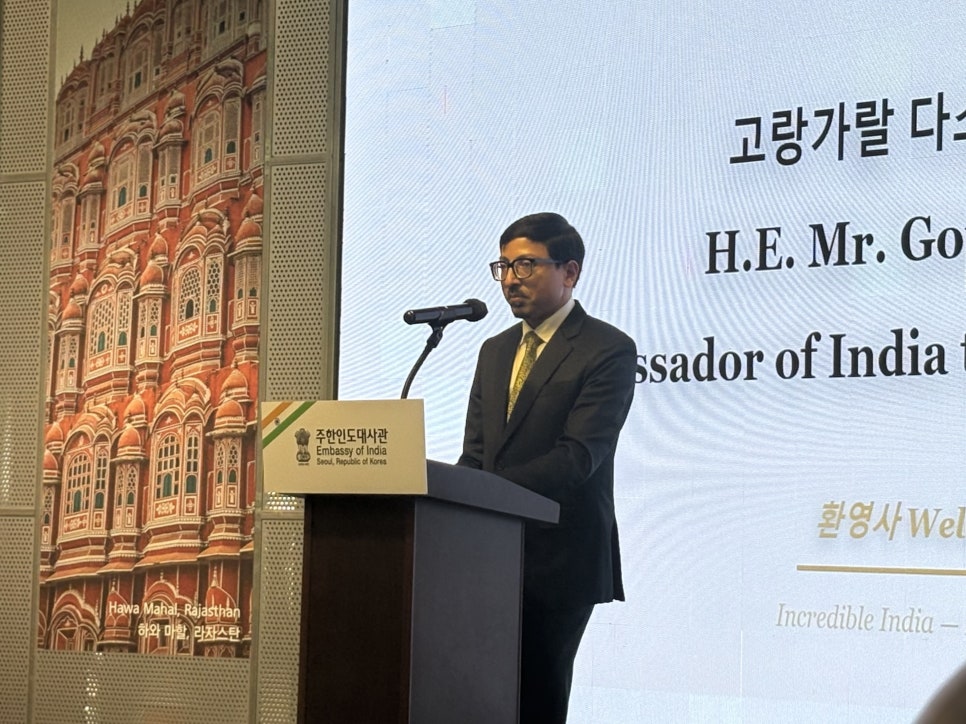
Gourangalal Das, Indian Embassy in Korea / Photo: Ji-eun Kim, Travel+ reporter
Gourangalal Das from the Indian Embassy said, “India is not just a destination but an experience.” He explained that the country’s varied climates, landscapes, people, cultures, cuisine and religions coexist in ways that can make a single trip feel like visiting several different countries.
Wellness is a standout theme. As the birthplace of yoga, India fuses ancient wisdom with modern tourism to become a global wellness destination. Rishikesh, near the Ganges, is known as the “Yoga Capital of the World,” home to hundreds of yoga centers and retreat programs. The annual International Yoga Festival in March draws practitioners from around the globe.
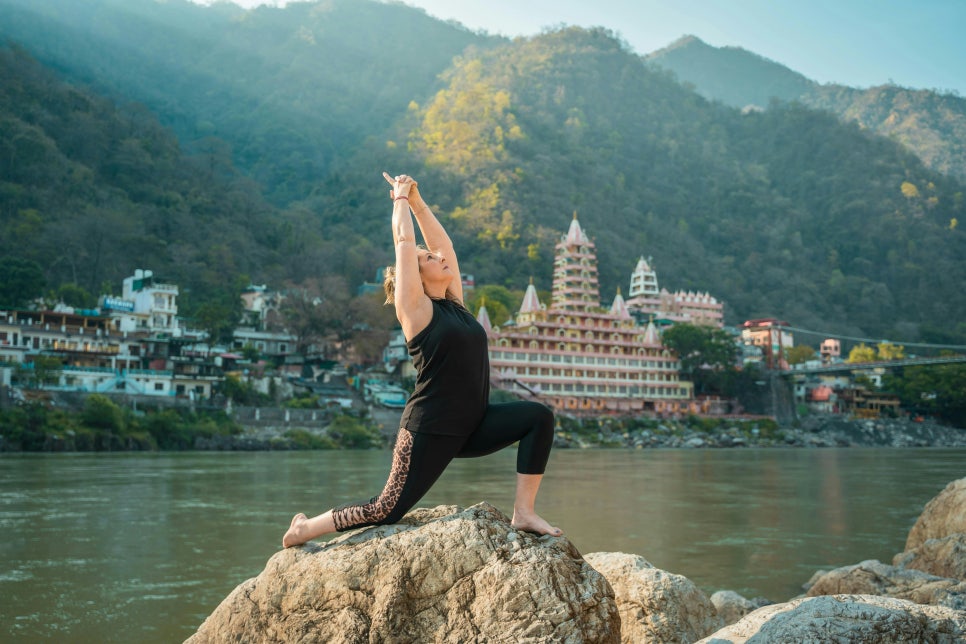
Tourists practicing yoga in Rishikesh, India / Photo: Unsplash
Imsennaro Walling, director of the Indian Cultural Centre in Korea, highlighted the Himalayas as a top destination for meditation and spiritual practice. He noted Mysore’s reputation for Ashtanga yoga and Kerala’s well-known Ayurvedic healing programs. “Recently, demand for wellness travel has expanded as luxury wellness retreats combine with nature-based healing and meditation programs,” he said.
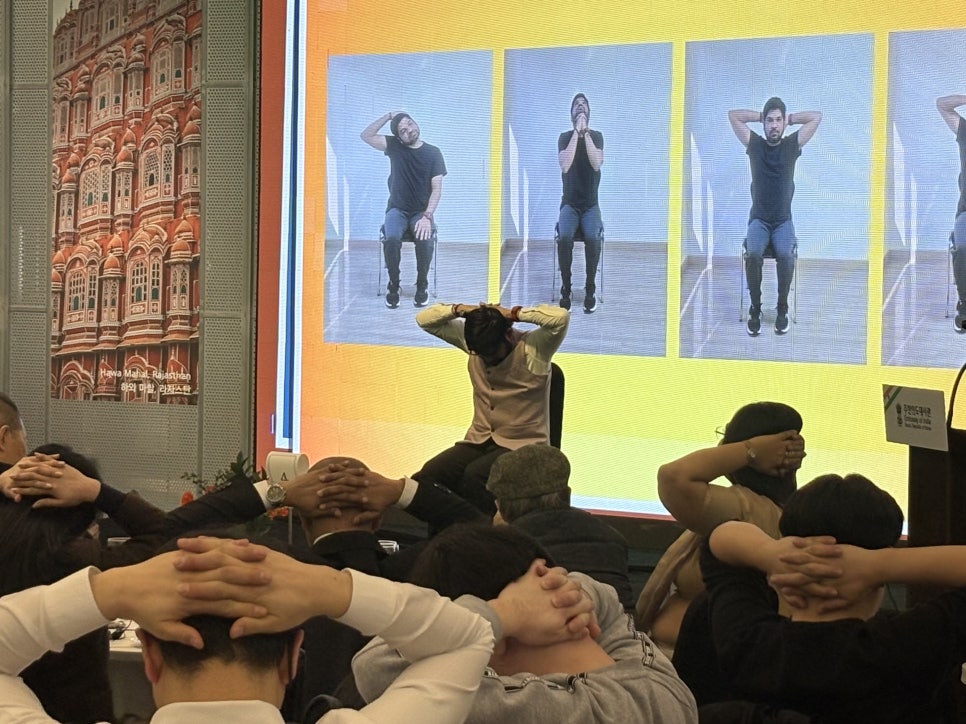
The event included chair-yoga and breathwork meditation workshops so attendees could sample Indian yoga firsthand. / Photo: Ji-eun Kim, Travel+ reporter
Buddhism remains a core part of tourism in India. Each year, many pilgrims visit the country’s sacred sites, and presenters at the roadshow emphasized that pilgrimage conditions have improved significantly.
The presenter began, “India has changed a lot recently,” noting that poor roads, transport and lodging used to give India a reputation as a difficult place to travel. Now, infrastructure improvements have cut travel times between major pilgrimage sites from more than 10 hours to roughly 5–6 hours.
Expanded flight options and upgraded accommodations have fueled the change. Where overnight trains once dominated, more travelers now choose flights, and the arrival of global hotel chains has raised standards. “Pilgrimages to India are no longer grueling journeys; they can be comfortably enjoyed,” he emphasized.
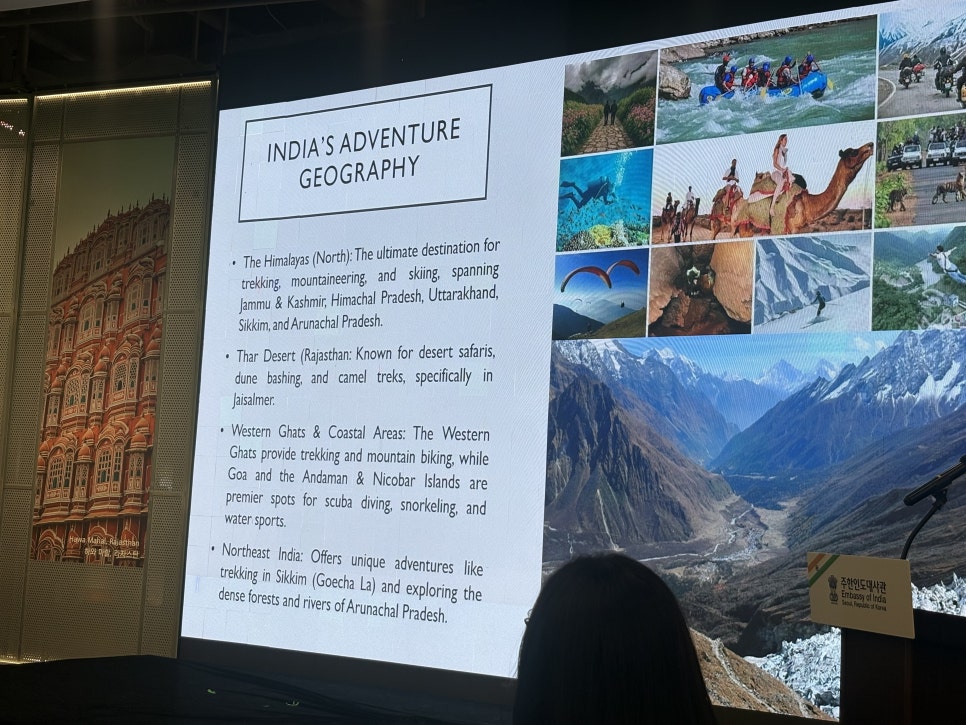
Activity tourism in India / Photo: Ji-eun Kim, Travel+ reporter
Adventure and activity tourism are growing fast. With terrain spanning the Himalayas, deserts, rainforests and beaches, India offers region-specific experiences. Sourabh K., Third Secretary, said, “India is a country where you can enjoy adventure in every landscape,” and highlighted trekking, hiking and water sports among many options.
In the northern Himalayas, visitors can tackle high-altitude treks, mountaineering and skiing. Ladakh is popular for motorcycle tours, while Rajasthan’s Thar Desert offers desert safaris and overnight camping. Beyond that, India has marine sports, wildlife safaris and many other hands-on experiences.
Getting to India Has Also Become Easier
Getting to India Has Also Become Easier
Above all, officials have worked to improve the single most important factor for travel: accessibility. Long-standing barriers like flight connections and visa procedures have been significantly simplified.
First, Air India will expand direct flights between Incheon and Delhi to six times a week beginning on the 29th. Amarjeet Saimbhi, head of Air India Korea, said the carrier aims to operate daily flights by the end of the year.
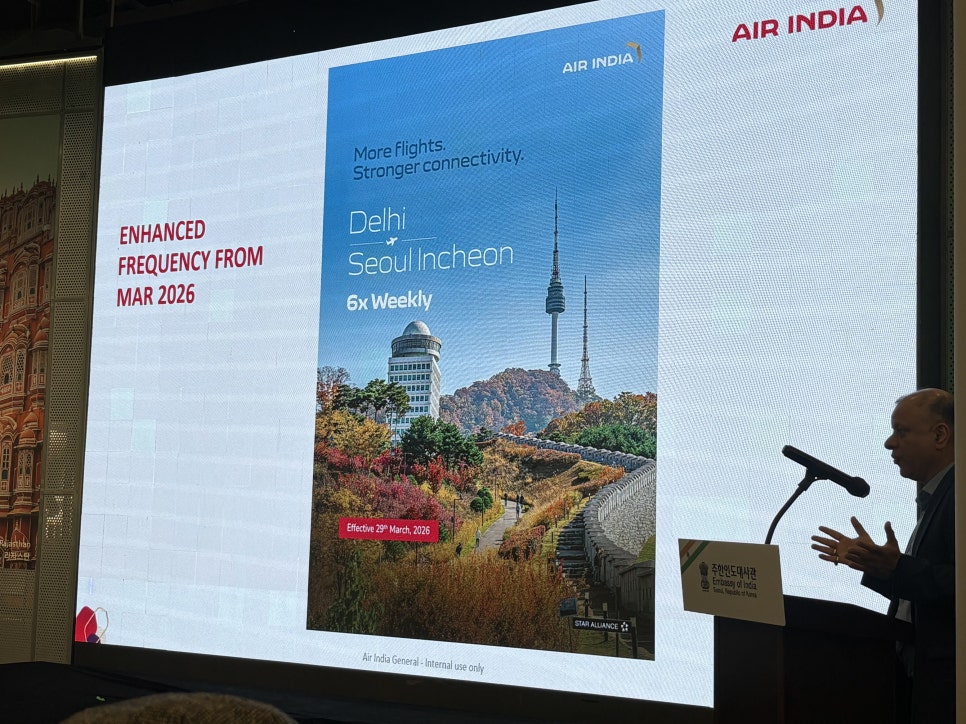
Air India will increase Incheon–Delhi service to six weekly flights starting on the 29th / Photo: Ji-eun Kim, Travel+ reporter
Visa procedures have also been simplified. Travelers still need a tourist visa, but authorities now issue three main types: sticker visas, e-tourist visas and visas on arrival.
Officials recently introduced an E-Arrival Card, an online pre-arrival registration system that streamlines the process. Neeraj Kumar, manager at Dudigital Global Korea, said e-visas now make online issuance easy and have significantly reduced the hassle of preparing for a trip.
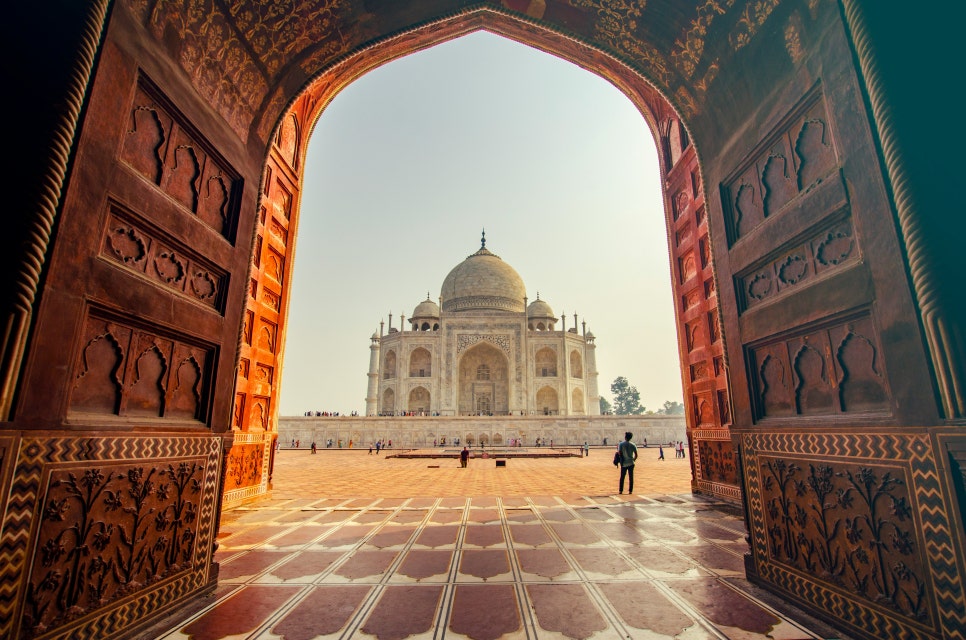
Taj Mahal, India / Photo: Unsplash
March and October are considered prime months to visit India. These periods avoid the peak heat and the monsoon, offering pleasant weather and a chance to experience colorful local festivals.
Nishi Kant Singh, deputy head of the Indian mission in Korea, said he hopes the event will kickstart deeper tourism cooperation between Korea and India.
Ji-eun Kim, Travel+ reporter













Most Commented