

Last January, Incheon rolled out the groundbreaking i-Bada Pass, allowing everyone to hop on coastal ferries for the price of a bus ticket. Incheon locals can now sail for just 1,500 KRW (1.13 USD) one way, while out-of-towners enjoy a boosted 70% discount, making island-hopping a breeze for all.
Take the Baengnyeongdo route, for instance. The original 75,900 KRW (56.93 USD) fare dropped to 19,800 KRW (14.85 USD) for Incheon residents with previous discounts. Now, thanks to the i-Bada Pass, it’s a mere 1,500 KRW (1.13 USD). \”This public transit approach to ferries is breathing new life into our island tourism,\” an Incheon Island and Marine Policy official shared. \”It’s not just about ensuring islanders can get around; it’s boosting tourist numbers and injecting vitality into local economies.\”
▲ Weaving together island tourism, transit, and community
City data from February 10th shows i-Bada Pass users soared to 871,592 last year, a impressive 33% jump. More island visitors mean more spending on stays, eats, and experiences, fueling a local economic boom.
The most striking change? The psychological barriers are crumbling. With ferry fares no longer a hurdle, islands are transforming from exotic getaways to everyday destinations, as accessible as a bus ride.
This year marks a shift in the city’s island strategy. Moving beyond just improving access, Incheon aims to create a seamless blend of tourism, transportation, and community life. Having nailed accessibility with the i-Bada Pass, the focus now is on crafting islands into livable spaces that invite longer stays, weaving together tourism attractions, transit infrastructure, and community essentials.
The city’s fresh \”2026 Island Tourism Revitalization Plan\” isn’t just about luring tourists; it’s designed to extend their stays and boost islanders’ incomes. An Island and Marine Policy spokesperson explained, \”This plan kicks off our uniquely Incheon model of island development, where transit, tourism, and community life are in perfect harmony. We’re nurturing these islands to be more than just tourist spots – we want them to be vibrant communities and go-to getaways that people can’t wait to revisit.\”
▲ Baengnyeongdo: Leveling up as a K-Tourism hotspot
A standout in this year’s island tourism plan is the Baengnyeongdo K-Tourism Island project. Kicking off in 2023 after a national competition, this four-year initiative aims to transform Baengnyeongdo’s rich history, geology, and ecology into top-tier tourist draws. It’s also setting up an arts hub and artist residency, positioning the island as a must-visit for extended stays.
On the marine tourism front, there’s buzz about rebranding the Dumujin cruise experience. Dumujin, a nationally recognized scenic gem, has long been Baengnyeongdo’s crown jewel, but its cruise fleet needed a refresh. With new ships on the horizon this year, visitors can look forward to an immersive sea adventure, blending storytelling with hands-on experiences.
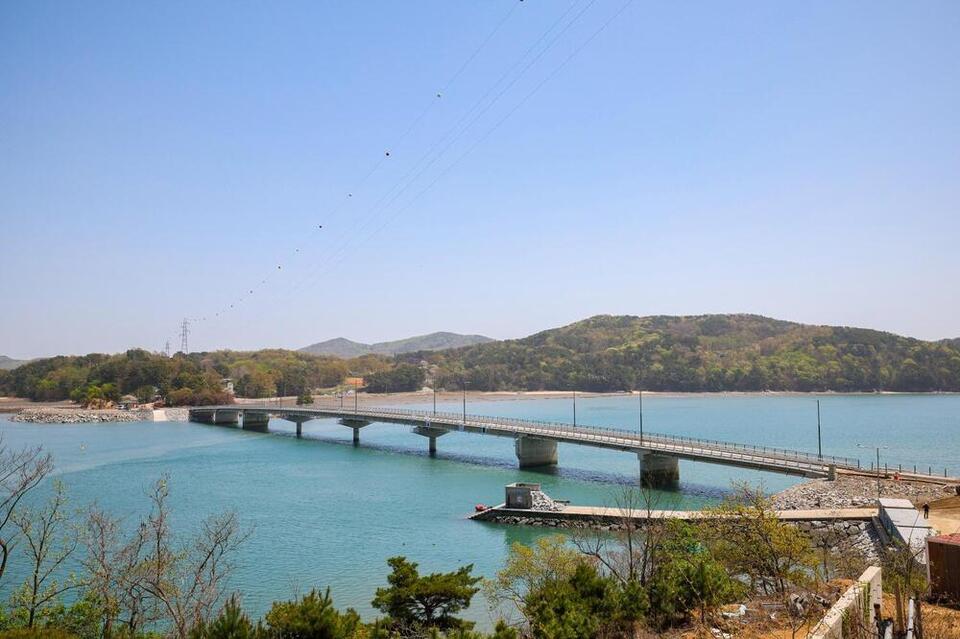
The island tourism push dovetails neatly with transit upgrades. Building on the i-Bada Pass’s success in boosting island access, the maritime network is expanding. The Peace Road’s first stretch, linking Yeongjongdo and Sindodo, is set to debut in the first half of this year. There’s also excitement about the Jangbongdo-Mododo bridge project, which promises to make life easier for islanders and visitors alike.

▲ Sea Guardians: Protecting nature, boosting local incomes
This year’s tourism plan is cleverly designed to ensure that more tourists translate into more local spending and higher incomes for islanders. It’s all about sustainable tourism, with programs like \”Living Gracefully on Incheon Islands\” letting visitors step into islanders’ shoes. The goal? To shift the tourist mindset from just sightseeing to truly experiencing island life.
To tackle challenges like illegal foraging and litter that come with more visitors, Incheon is launching the i-Bada Guardians project. Local residents will be hired as guardians, tasked with keeping the environment pristine, maintaining order, and ensuring everyone’s safety. It’s a win-win, promising to protect the islands while creating jobs for locals.
A city official noted, \”The i-Bada Pass has been a game-changer, dramatically boosting visitor numbers and tourism revenue. But it’s also brought challenges – like ensuring locals can get ferry tickets during peak seasons and managing the environmental impact of more tourists. We’re working on multiple fronts, including plans to funnel some tourism revenue back into the community. It’s all about protecting island life while fostering a thriving local economy.\”
/Lee Soon-min, Reporter smlee@incheonilbo.com















Most Commented