
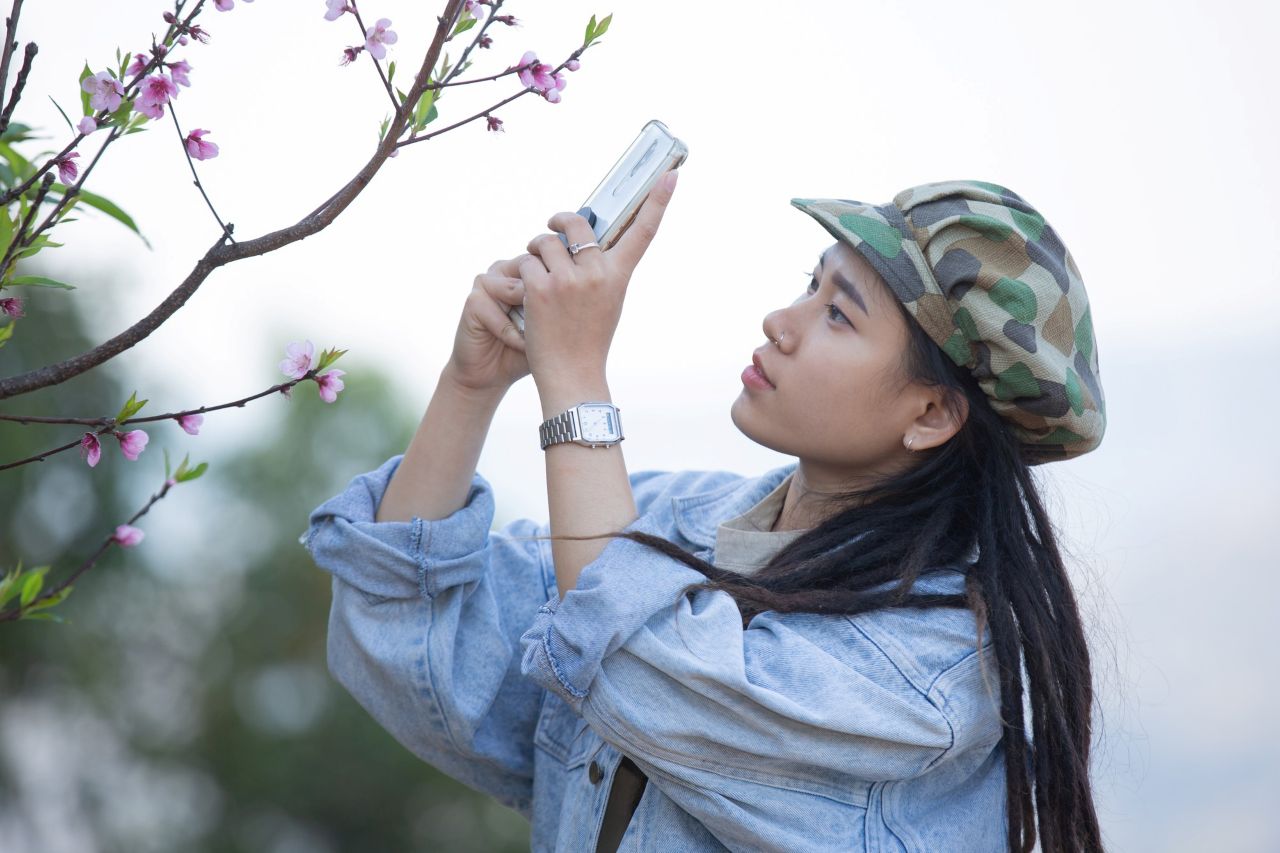
As winter’s chill lingers in early March, one flower dares to break through the frosty ground first. While it may not create the sweeping vistas of cherry blossoms, a single red plum tree can transform an entire yard into a mesmerizing crimson canvas, commanding attention with its alluring presence.
Enter the red plum blossom. Where white plum blossoms embody purity and grace, their crimson cousins exude both vibrant vitality and regal elegance. Join us as we uncover the charm of these scarlet harbingers of spring, explore their most stunning locations across the country, and delve into the surprising symbolism behind their blooms.
Red Plum Blossoms: Meaning and Bloom Time
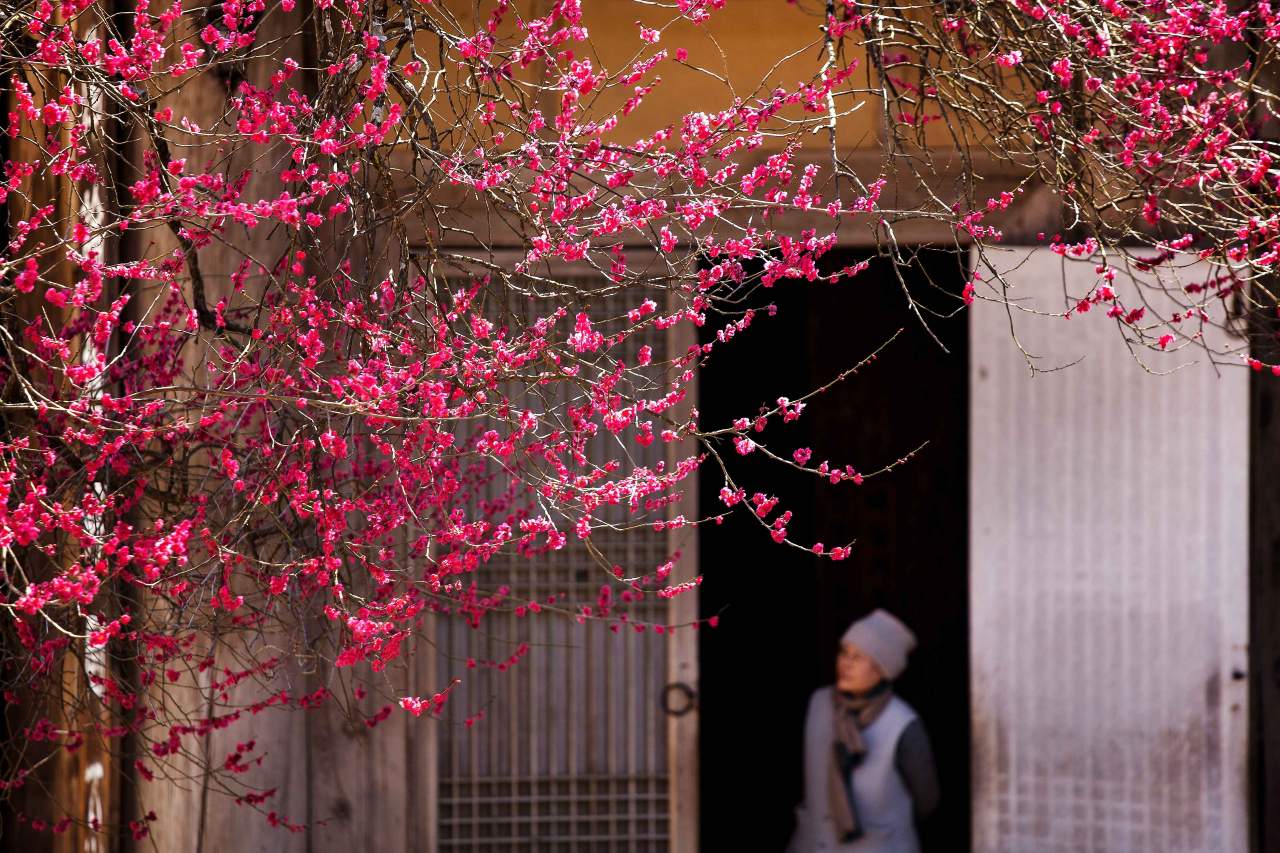
To truly appreciate red plum blossoms, you need to understand their deeper significance. While plum blossoms generally symbolize purity and virtue, red plum blossoms specifically represent a noble heart and the perseverance to bloom against all odds.
Their ability to flower even in winter’s grip has earned them the poetic nickname “snow plums,” embodying resilience and strength.
Looking ahead to 2026, expect these beauties to make their debut slightly earlier than usual. In southern hotspots like Jeju and Yangsan, buds will start popping by mid-February, reaching full bloom in early March.
Yangsan’s Tongdosa Temple: Home of the Legendary Jajang Plum
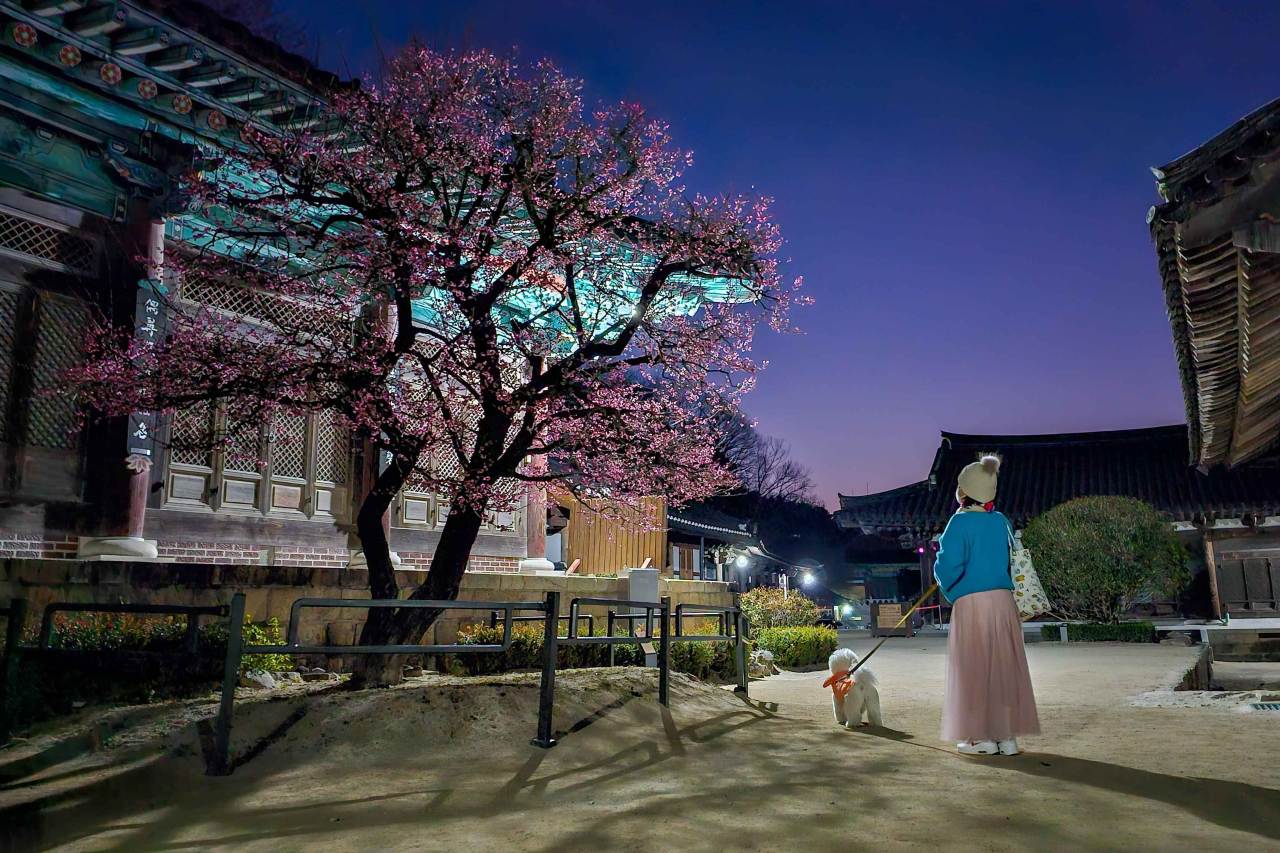
Tongdosa’s Spring Awakening / Photo: Korea Tourism Organization, Photo Korea @Park Mi-hyang
If I had to crown a champion of March travel destinations, it would be Tongdosa Temple in Yangsan – the undisputed queen of red plum blossom viewing.
Here, you’ll find the famed Jajang Plum, named after the temple’s founder. Despite its 350+ years, this ancient tree still bursts into deep crimson blooms every late February.
What makes Tongdosa’s display truly special is how the temple’s weathered paintings and roof tiles create a stunning backdrop for the vibrant blossoms. For an almost surreal experience, arrive at dawn when a light mist softens the landscape, making the red blooms appear to float in the air.
Suncheon’s Seonamsa Temple: A Plum Blossom Paradise
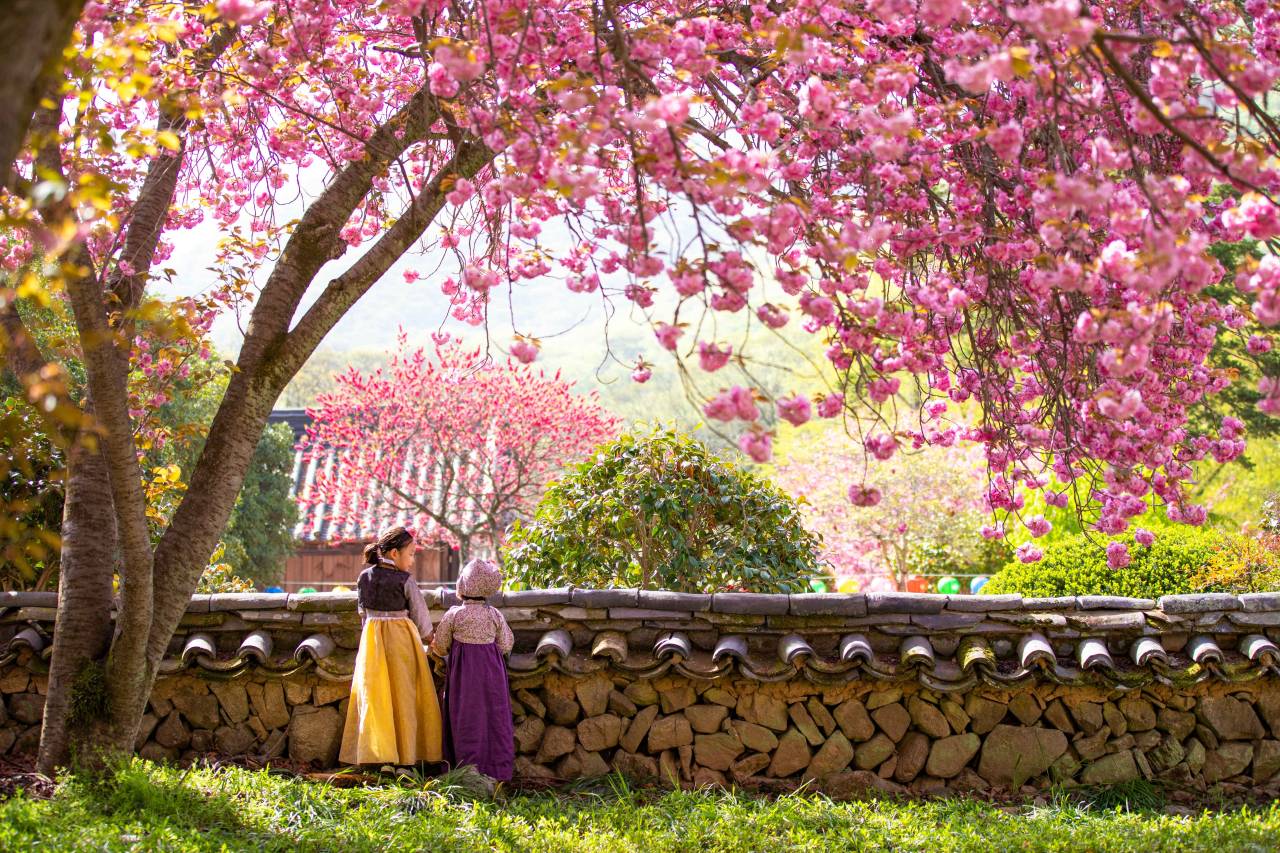
Seonamsa’s Breathtaking Blooms / Photo: Korea Tourism Organization, Photo Korea @Yang Seong-young
Seonamsa Temple in Suncheon is like a living museum of plum blossoms, with the red variety taking center stage.
The red plums lining the wall behind Wontongjeon Hall are so exceptional they’ve been designated a natural monument.
What sets Seonamsa’s red plums apart is their natural, untamed growth and their remarkably clear, almost translucent petals. But the real magic lies in their scent. These blossoms pack a fragrant punch – stand near the wall, and you’ll be enveloped in their intoxicating aroma.
Cross the serene Seungseon Bridge and venture deeper into the temple grounds. There, a wave of pink blossoms awaits, instantly whisking away any lingering thoughts of the busy world outside.
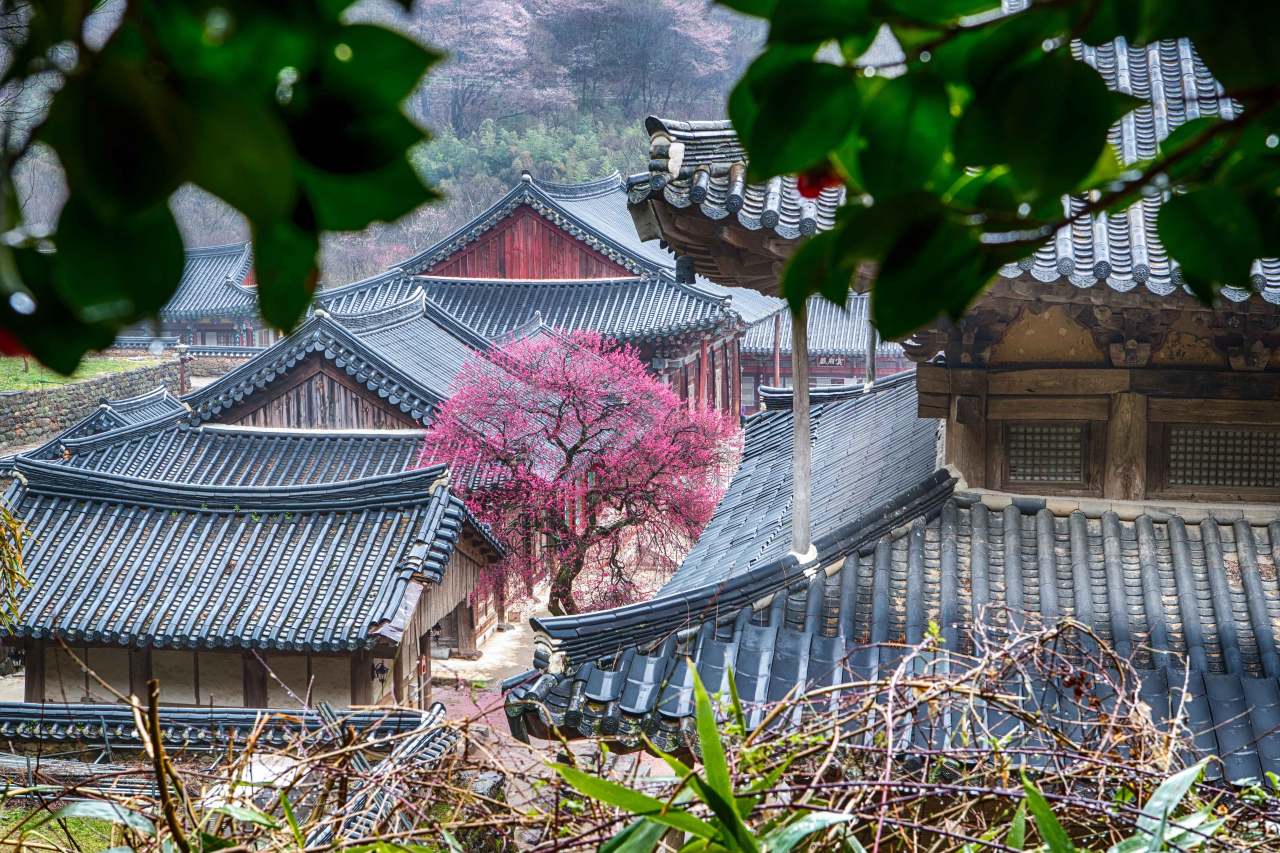
Hwaeomsa’s Dramatic Plum Display / Photo: Korea Tourism Organization, Photo Korea @Kim Ji-ho
Hwaeomsa Temple’s red plum blossoms are so intensely colored, they’ve earned the nickname “black plums.” While typical red plums are a cheerful pink, these blooms are a deep, almost blood-red hue.
Legend has it they were planted to celebrate the rebuilding of Gakhwangjeon Hall during King Sukjong’s reign. Their very presence seems to command as much respect as the ancient temple itself, nestled in the foothills of Jirisan Mountain.
Stand beneath these inky blooms on a crisp mid-March morning, and you’ll instantly understand why photographers and travelers alike make the pilgrimage to witness this fleeting moment of beauty.
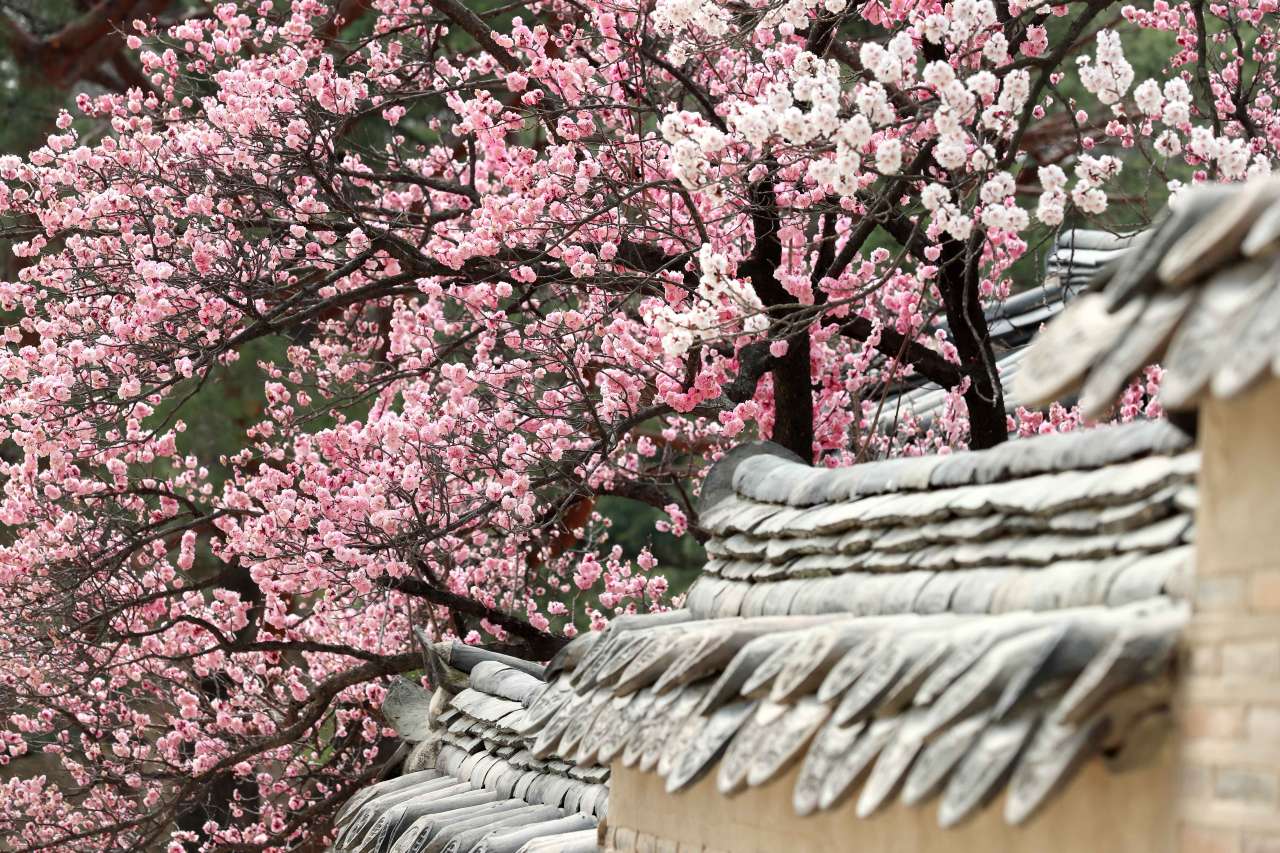
Urban Oasis: Red Plums in the Heart of Seoul / Photo: Korea Tourism Organization, Photo Korea @Lee Beom-soo
Can’t make it down south? No worries! Changdeokgung Palace, a UNESCO World Heritage site right in Seoul, boasts its own red plum star. The Jachang Plum, a double-flowered variety, graces the area in front of Seongjeonggak Hall. This tree’s got serious pedigree – rumor has it it was a gift from China’s Ming Dynasty during the Imjin War.
When in full bloom, Changdeokgung’s red plums create the most elegant spring tableau in Seoul. The lush, multi-petaled Jachang Plum is so stunning it draws artists from far and wide. Watch how the pink glow of the blossoms filters through Seongjeonggak Hall’s intricate lattice windows – it’s like seeing the grace of Joseon royalty brought to life.
While you’re at Changdeokgung, our top pick for March city explorers, don’t miss the white plum and apricot blossoms near Naksonjae. It’s the perfect way to immerse yourself in the essence of traditional Korean aesthetics, all without leaving the capital.












Most Commented