
How Will the 15-Point Format Impact Top Players Like Ahn Se-young? A Deep Dive into Badminton’s Future
Daniel Kim Views
Translation result ▲ The Korea Badminton Association said on the 25th that the BWF’s annual meeting in Horsens, Denmark, finalized adoption of a “3×15 scoring system.” The change replaces the current best-of-three, 21-point format with a best-of-three, 15-point format and takes effect January 4, 2027. ⓒYonhap News
[SPOTV News = Reporter Cho Yong-un] The 15-point scoring system set to reshape international badminton has finally been unveiled.
Approved at the Badminton World Federation’s 2026 annual meeting, the reform is more than a simple tweak to scoring. Some analysts argue the change could act as a de facto targeting mechanism against certain playing styles, raising tension both on and off the court.
Under the new rules, matches will shift from best-of-three to 15 points per game. At 14–14, the player who first builds a two-point lead wins the game, but play is capped at 21 points. The mid-set interval will move up from 11 points to 8, shortening the breathing room players get between runs of points.
The BWF says the goal is to increase point density and boost spectator engagement, arguing shorter matches will enhance commercial appeal. Secretary General Thomas Lund emphasized that more concise matches improve audience focus and noted the change was also made with player welfare in mind.
But the quicker tempo presents a clear variable for women’s singles world No. 1 An Se-young. Her game—built on long rallies, relentless pressure and superior conditioning—has been magnified by the extended 21-point format. An’s ability to reverse early deficits through late-match stamina is one of her hallmarks; under a 15-point structure, she may have less opportunity to regain momentum before a match is decided.
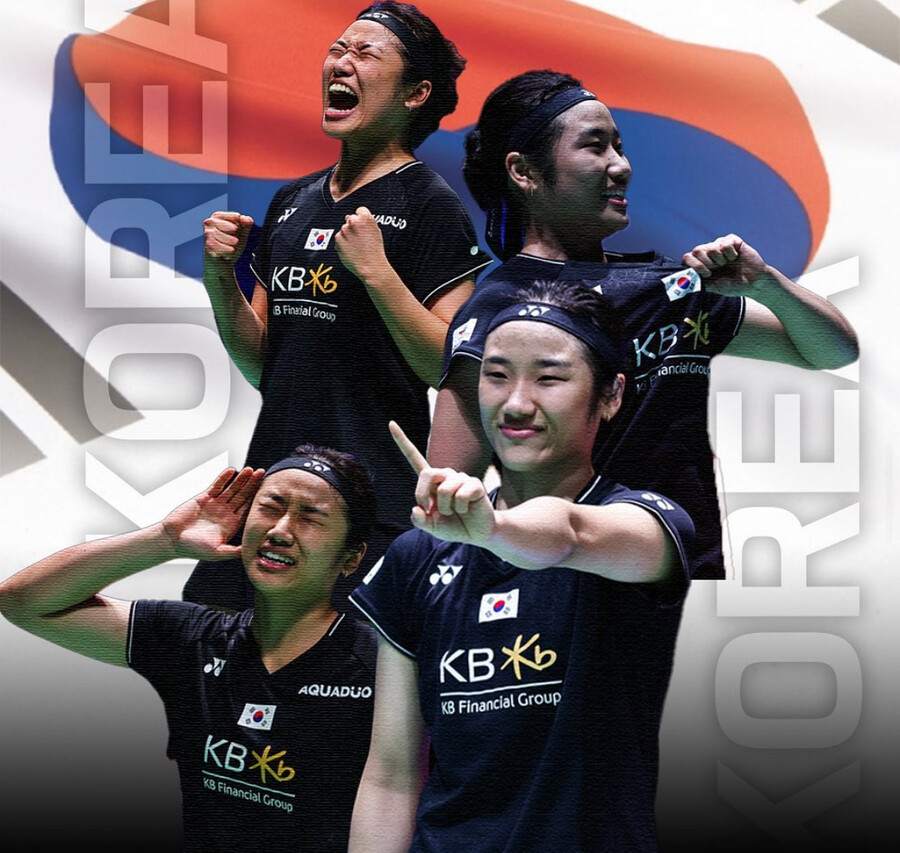 ▲ The rule change would structurally constrain the endurance advantage that propelled An Se-young to the top. Before the 15-point format was finalized, An acknowledged her typically slower tempo could make things tougher but said she’d adjust to the new rules. ⓒ An Se-young SNS
China has framed the revision as an opportunity. Wen Hui Daily noted the shorter format favors players who excel at early offense and a high tempo. The outlet quoted Chen Yufei as saying calmly, “If the rules change, I’ll adapt my rhythm,” while men’s world No. 1 Shi Yuqi welcomed the shift, suggesting shorter matches would ease physical strain.
Badminton’s new era begins in 2027. With the 15-point system set to take effect on January 4, many view the move as both an attempt to interrupt An Se-young’s dominance and an opening for China to reclaim the summit. Whether the new rules will topple the sport’s current standard-bearer or simply add another strategic variable remains to be seen.
One constant is that An has repeatedly adapted to rule changes while carving her own path to dominance. Over the past year she’s shifted from a primarily defensive posture to a more attacking approach and shown the finishing power to close out matches. Most analysts expect she’ll find a way to respond once again.
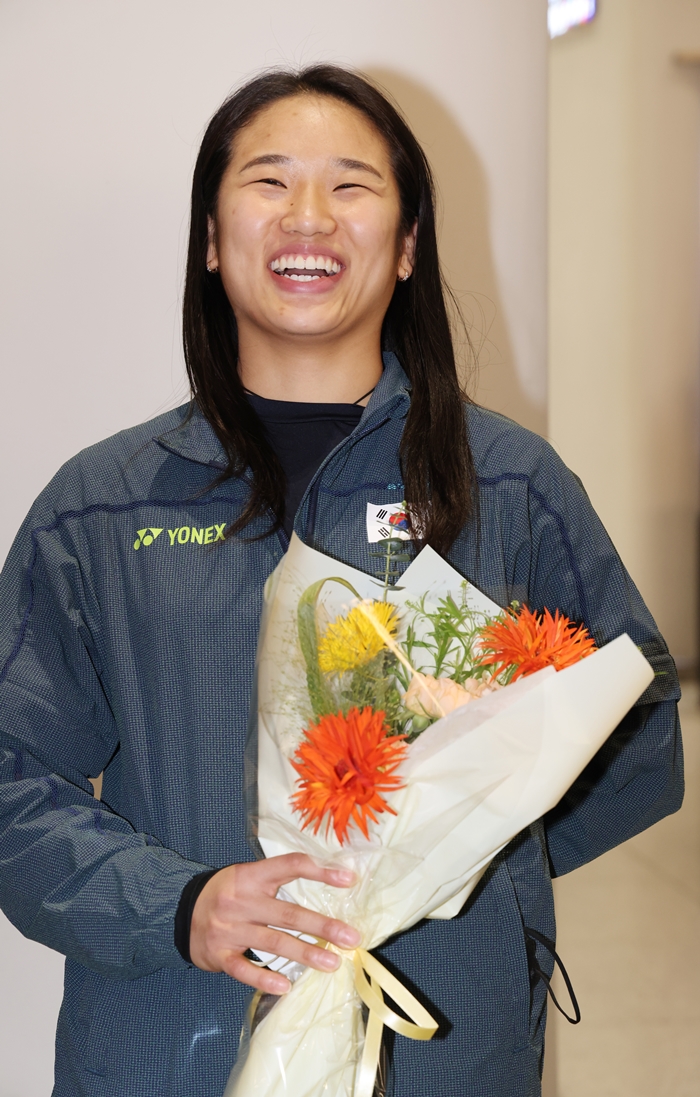 ▲ An Se-young — the dominant force in women’s singles who completed a major continental Grand Slam — returned through Incheon International Airport Terminal 2 on the 13th and smiled as she accepted a bouquet. ⓒYonhap News














Most Commented