
Hyundai Motor’s Wage and Collective Bargaining Talks Kick Off
AI, Robot Adoption at the Core of the Dispute
Clash Over Bonuses and Job Guarantees
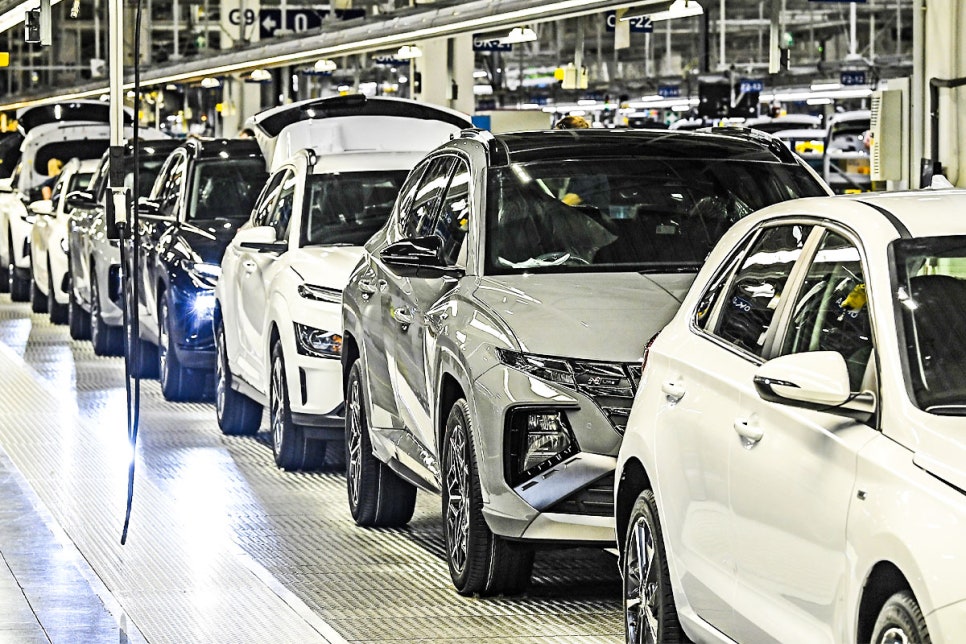
South Korea’s major automakers have entered full-scale wage and collective bargaining talks, raising tensions across the industry.
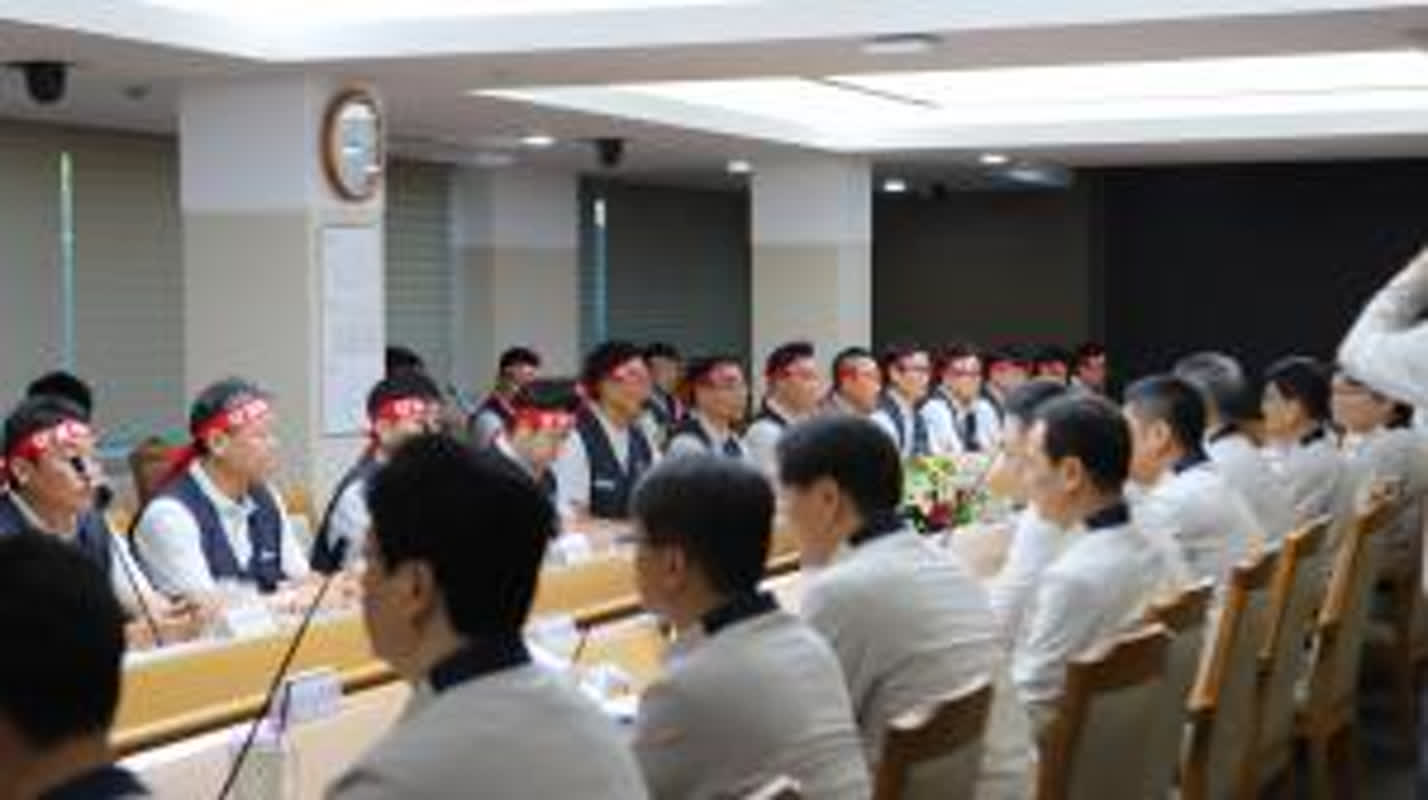
Hyundai Motor management and the union met at the Ulsan plant to open this year’s wage negotiations and formally begin talks.
The Hyundai union is seeking a base-pay increase of 149,600 KRW (approximately $112.20), a performance bonus equal to 30% of last year’s net profit, and guarantees to protect employment and working conditions as AI is introduced.
“Physical AI” Is a Bigger Issue Than Bonuses
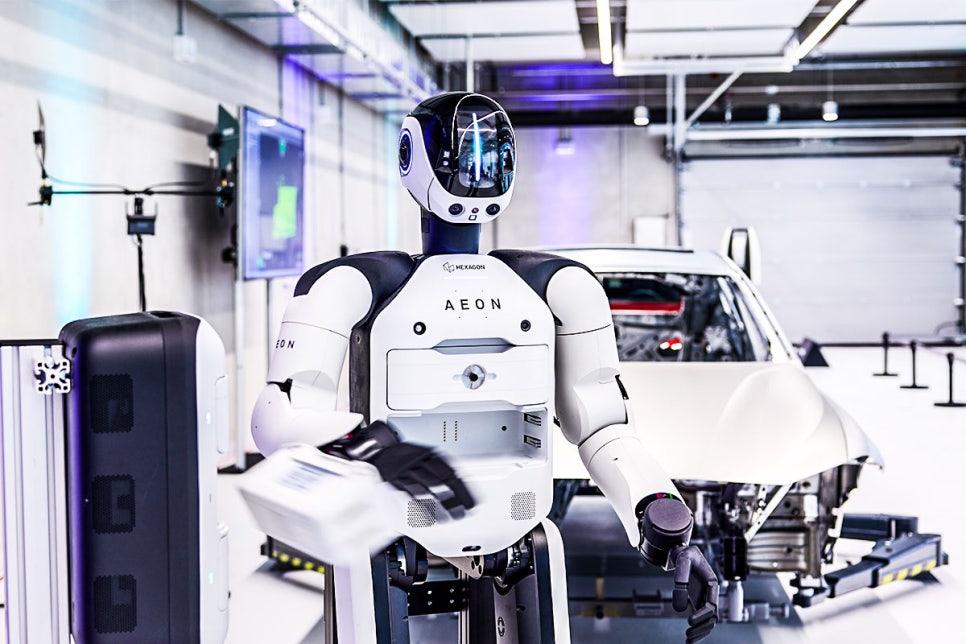
This year’s talks are about more than simple pay increases.
Hyundai Motor Group’s push to introduce physical AI and robotics has become the focal point of labor-management tension.
The union is particularly alarmed by plans for affiliate Boston Dynamics’ humanoid robot Atlas to be deployed at a planned Meta plant in Georgia, U.S., fueling concerns about job security.
The union warns that expanded use of robots and AI could depress wages or reduce headcount and is pressing for adoption of a full monthly-salary system to safeguard workers.
Full Strikes Planned for July, August and September…
Hardline Action Possible
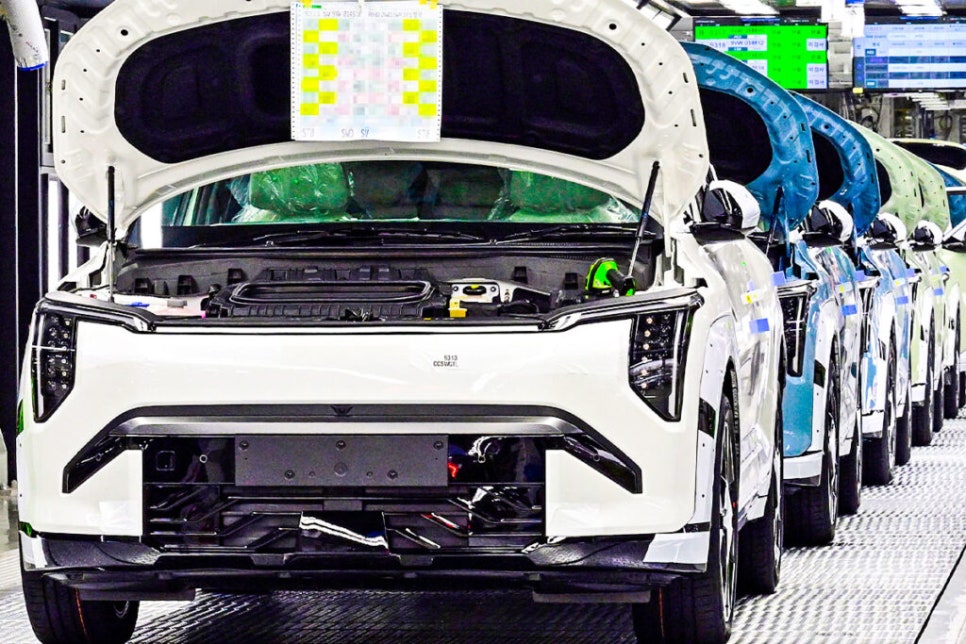
The Hyundai union has already announced plans for full strikes in July, August and September.
Last year, a series of partial strikes led to a settlement. This year, however, the combination of AI deployment and job-security concerns could sharpen the dispute.
Because Hyundai’s negotiations influence not only its affiliates but the broader domestic auto and manufacturing sectors, the entire industry is closely watching the outcome.
Concerns Grow Over ‘Worker-on-Worker’ Tensions Beyond Labor-Management Disputes
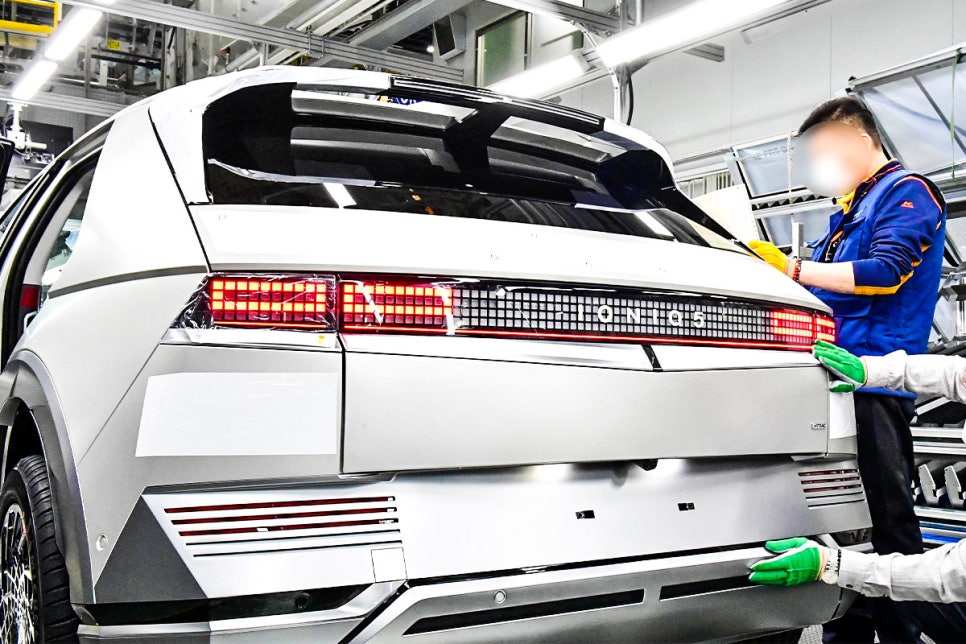
Adoption of physical AI could spill the conflict beyond traditional labor-management lines and create friction between different job categories.
Shop-floor workers fear job losses, while some analysts note that AI and expanded data operations could create more office-based roles.
Ultimately, the central question is not the technology itself but how firms design workforce reallocation and compensation during the transition.
Given that the industry is unlikely to avoid an AI-driven transformation, this year’s Hyundai wage and collective bargaining talks are shaping up to be a test of where manufacturing jobs in the future will head—not merely a routine pay negotiation.
















Most Commented