
 [Herald Economy reporter Jeong Mok-hee] Conflict over extended-time accommodations on the SAT and ACT has intensified. The policy was originally intended to support students with learning or health disabilities, but critics say affluent families increasingly treat it as an admissions strategy.
On the 18th (local time), The Wall Street Journal reported that in some wealthy U.S. suburbs, obtaining diagnostic documentation to secure extra test time has become almost like an “admissions consulting course.”
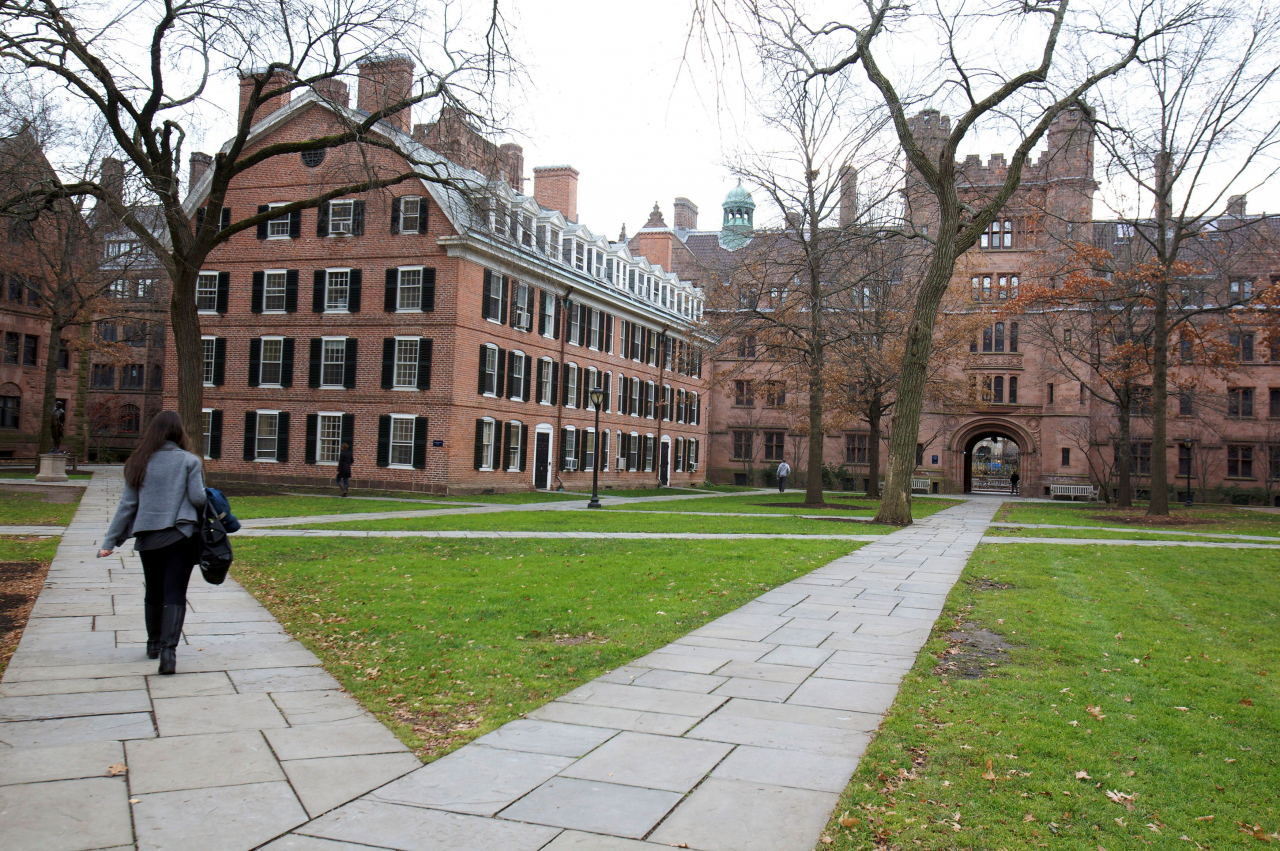
Dermatologist Adarshi Vijai Mudgil, whose child attends Jericho High School on Long Island, said his daughter told him something shocking: at least 60 students in her grade received extra time on the ACT.
“I find it hard to believe all of them had legitimate reasons,” he said. “There are parents who know how to exploit loopholes in the system.” He called the practice “essentially cheating,” saying it “puts students who take the test under normal conditions at a disadvantage.”
In the U.S., students diagnosed with ADHD, anxiety disorders, depression, obsessive-compulsive disorder, or PTSD can receive 1.5 to 2 times the standard testing time on the SAT and ACT. They may also be given separate testing rooms, unlimited breaks, and unrestricted bathroom access. Students with severe anxiety can even take the ACT over four days.
The concern is that the accommodation system has recently been transformed into an admissions weapon for wealthy families. Some parents pay thousands to tens of thousands of dollars for neuropsychological evaluations or seek diagnoses such as irritable bowel syndrome or inflammatory bowel disease to secure unlimited bathroom breaks during exams.
Other tactics include arranging for students to receive extended time on routine school tests and then submitting teacher statements claiming “anxiety symptoms” to support accommodation requests.
Among parents at Manhattan private schools, some have even joked that “finding a good gastroenterologist is part of the SAT strategy.”
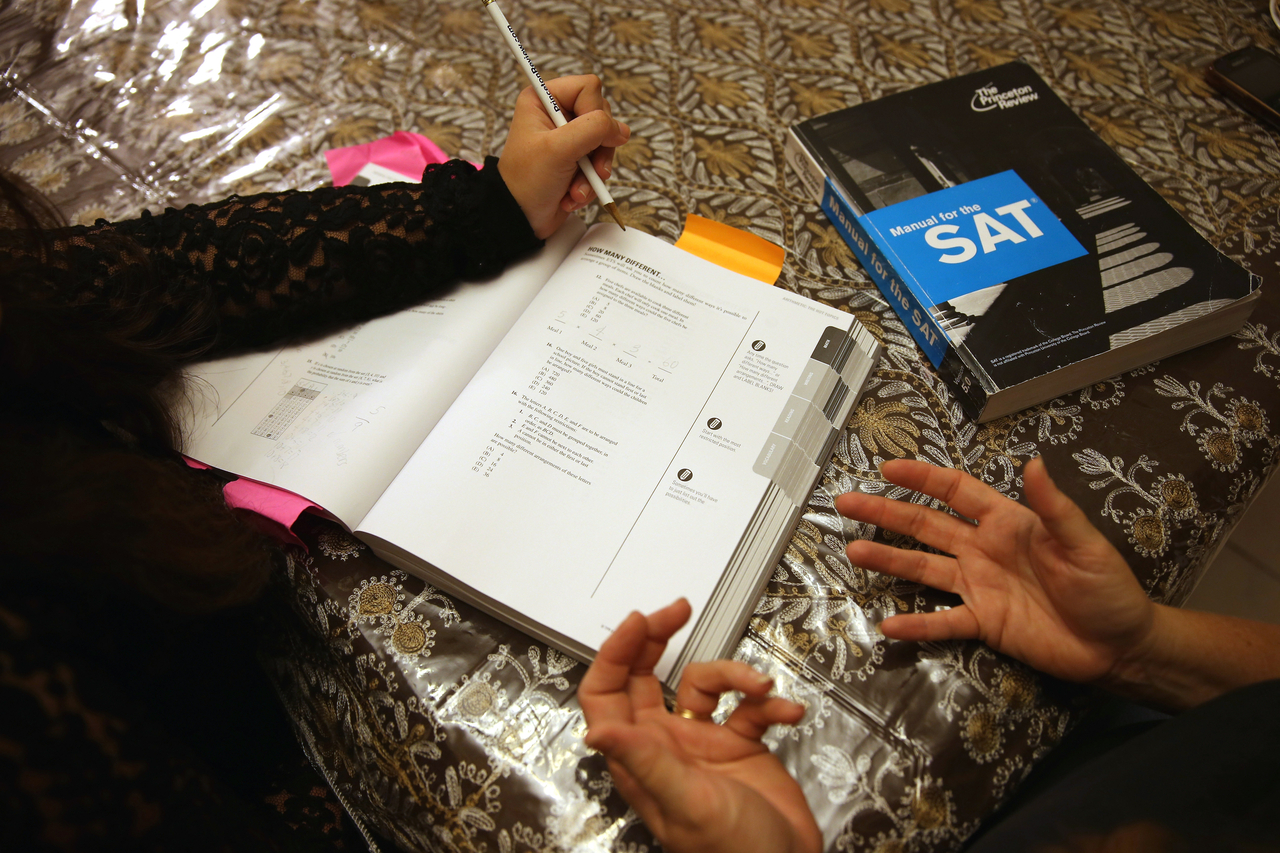 Test administrators push back, saying you cannot buy extended time. ACT officials note that neuropsychological testing can cost $2,000 to $10,000 or more, but the agency reviews more than a single diagnosis: it considers school learning-support histories and individualized education plans as well.
Still, the share of test-takers receiving accommodations has risen rapidly. According to ACT, 7% of test-takers received accommodations last year, up from 4.1% in 2013. The College Board, which oversees the SAT, said about 6.7% of test-takers received extended time last year—compared with roughly 2% a decade ago.
New Jersey admissions consultant Lori Kopp Weingarten said, “Two years ago, parents rarely asked about extra time. Now, those questions flood information sessions.” She warned that what began as a fairness measure now advantages families with greater financial resources and access to information.
Atlanta clinical psychologist Scott Hamilton said he recently evaluated a high school student and concluded the student did not need extra SAT time; the parents reacted angrily. “I explained the student was in very good condition,” he said. “Failing to finish the SAT alone does not constitute a disability.”















Most Commented