
 Most people recoil at the label “far right.” They typically picture skinheads with shaved heads and combat boots or torch-bearing racists marching in the streets.
But contemporary far-right extremism often lacks those obvious symbols; it infiltrates everyday life in subtler, more pervasive ways.
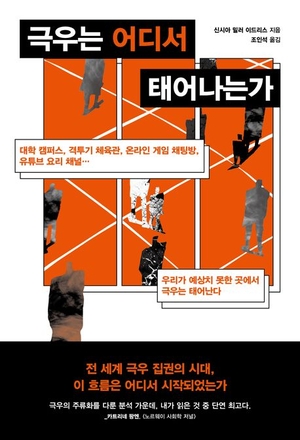
Cynthia Miller-Idriss’s new book Where Does the Far Right Come From? (original title Hate in the Homeland) asks a fundamentally different question. While prior research has focused on why individuals radicalize or on how far-right organizations operate and strategize, the author proposes a third axis.
She concentrates on where and when extremism takes root, paying attention to the sites and moments when ordinary people first encounter far-right messages in daily life. She traces how far-right hate seeps into everyday arenas—food, fashion, combat sports, college campuses, and online spaces.
The book documents concrete examples: a YouTube cooking show teaching vegan recipes while subtly inserting racist messages and far-right ideology; activists distributing flyers on college campuses and using “free speech” as a shield to reframe hateful speech as academic debate; and other tactics that normalize extremist ideas.
Miller-Idriss argues that the far right has already become a commercialized, standalone market—producing goods, building brands, and selling lifestyles from clothing and coffee to music and festivals. Alongside products, this market sells camaraderie, identity, and a sense of belonging.
Although the book centers on the United States, its insights are not remote for South Korea. The framework helps explain escalating social tensions, anti-immigrant sentiment, and the spread of extreme discourse across Korea’s digital spaces.
So what should be done? The author proposes a “vaccine against hate,” comparing efforts to prevent extremism to herd immunity in public health and urging a cleanup of the everyday spaces where extremism takes root. Price: 20,000 KRW (approximately $15).















Most Commented