
Central Labor Commission mediation halted; strike authorized by vote
Collective-agreement wages reduced under a 64% appropriateness review
Industry criticized for applying its own age limits instead of the 20-year legal standard
[Asia Times — Kim Mina] Tower crane unions affiliated with the country’s two largest labor federations announced plans for a nationwide strike. The unions say a pattern of lowball contracting, wage cuts and poor equipment safety management has accumulated and could disrupt work at many sites, including Samsung Electronics construction projects and numerous public works across the country.

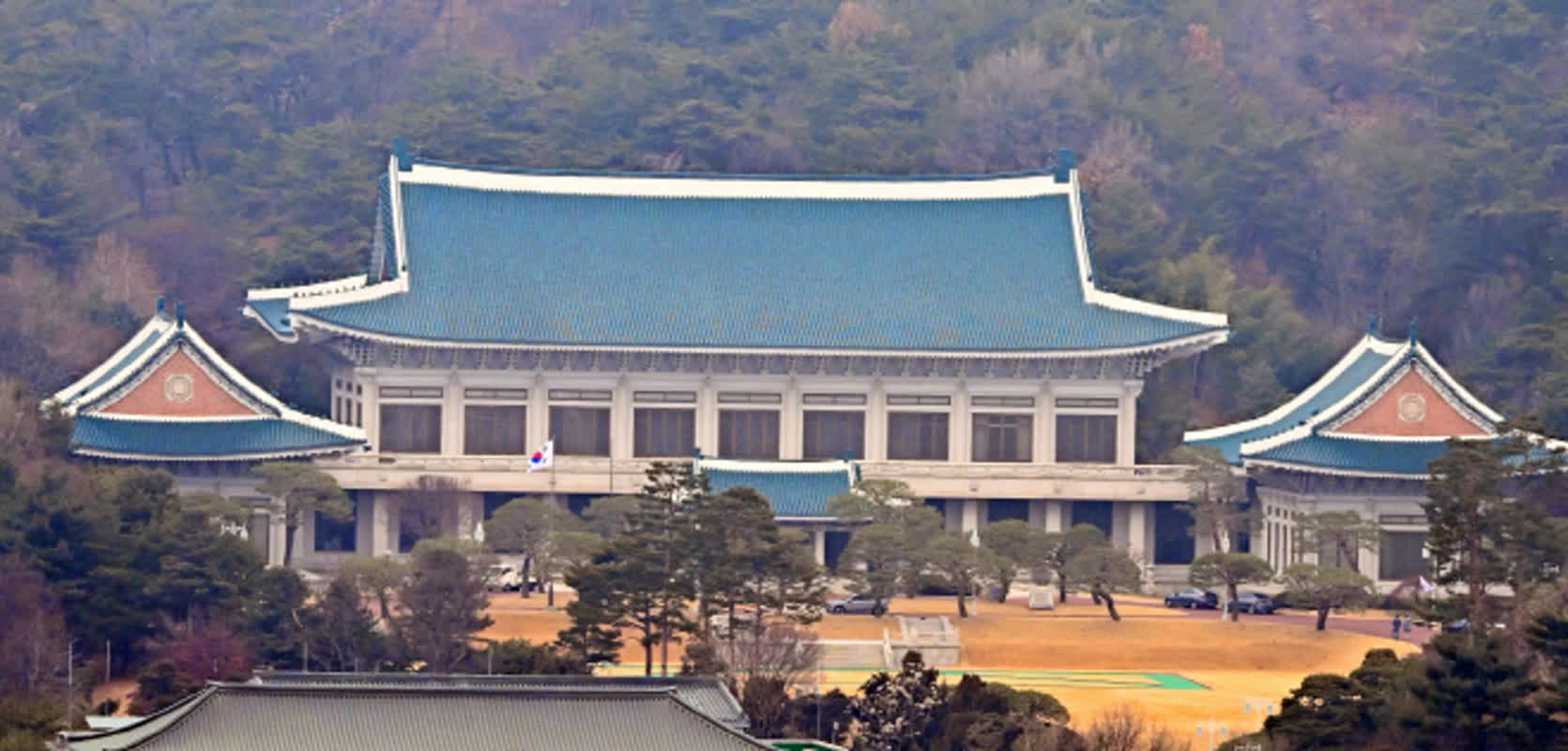
On the 27th, the Tower Crane Subcommittee of the Construction Workers’ Union under the Korean Confederation of Trade Unions and the Korea Tower Crane Operators’ Union under the Federation of Korean Trade Unions held a press briefing in front of the Blue House and formally announced their decision to strike.
The unions halted mediation at the Central Labor Commission and held authorization votes before confirming strike plans. They say the action is not just a response to failed wage talks but a broader effort to address the tower crane industry’s contracting practices and construction-site safety problems.
Since the revised labor union law took effect, the tower crane unions have actively used collective bargaining procedures. The Tower Crane Subcommittee of the Korea Construction Industry Labor Union filed 59 requests to separate bargaining units and later withdrew them all, while the Korea Tower Crane Operators’ Union filed 95 petitions challenging failures to publish bargaining demands. Of those petitions, one was accepted, two were dismissed, 90 were withdrawn, and two remain under review.
The unions point to a persistent low-price contracting culture. They contend that under the Ministry of Land, Infrastructure and Transport’s standard market price system and a 64% appropriateness review, wages set in collective agreements are cut on-site and workers who demand fair pay are repeatedly excluded from hiring. They say contracts often price equipment rental fees at nearly 0 KRW (approximately 0 USD) once labor costs are removed, which fuels cutthroat bidding and reductions in safety-management budgets.
The unions also raised conflicts over equipment-use standards. Although the law requires assessments based on a 20-year benchmark and detailed inspections to determine whether a tower crane is fit for use, some sites apply their own limits—such as 10 years or even five years—to exclude equipment from bids. The unions warn these ad hoc rules encourage premature replacement and disposal, increase maintenance burdens, and promote competition based on cheap, lower-quality equipment.
Excluding experienced operators from hiring is another risk the unions highlighted. With prolonged unemployment and employment insecurity, the repeated hiring of low-paid nonunion workers instead of union members deepens downward pressure on wages and can undermine safe tower crane operations.
The two federations urged the government to update standard market prices and unit-cost tables, remove equipment-use restrictions that lack legal basis, expand direct payment systems by project owners, manage tower crane supply and demand, reform rules for small tower cranes, overhaul inspection systems, and implement stronger safety measures.
The unions warned that because tower cranes are essential to apartment, plant and public infrastructure projects, the strike’s effects could spread across the construction sector. They estimate that about 85% of Samsung semiconductor construction sites and public construction projects nationwide could face operational disruptions. If tower crane operations halt, material hoisting and movement and high-rise work will be delayed, likely affecting structural work schedules.











Most Commented