
Samsung Electronics’ labor talks have reached a critical juncture. Negotiators appear to have room to compromise on the size of the bonus pool, but sharp disagreement remains over whether to formalize the system. Observers are watching to see if the parties can reach a dramatic settlement.
On May 17, the government said labor and management will hold a second post‑mediation session at 10 a.m. on May 18 at the Central Labor Relations Commission (CLC) in Sejong. The two sides engaged in marathon talks from May 11–13 but collapsed after failing to bridge differences over the bonus‑payment criteria. The CLC subsequently proposed additional mediation, which both sides accepted, and negotiations resumed.
Lee Jae‑yong’s decision to cut short a business trip to Japan and return home to issue a public apology helped reopen the channel for talks.
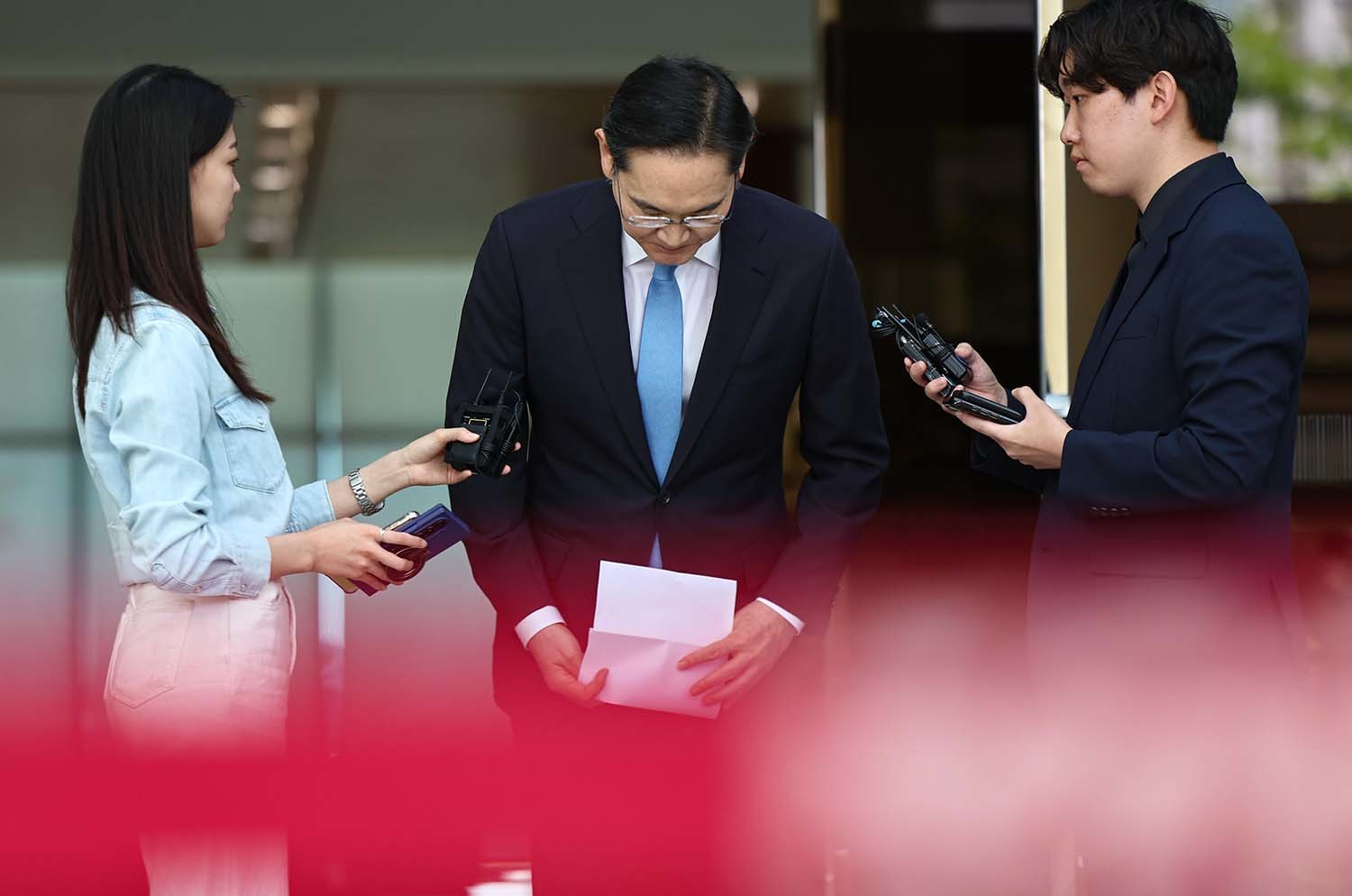
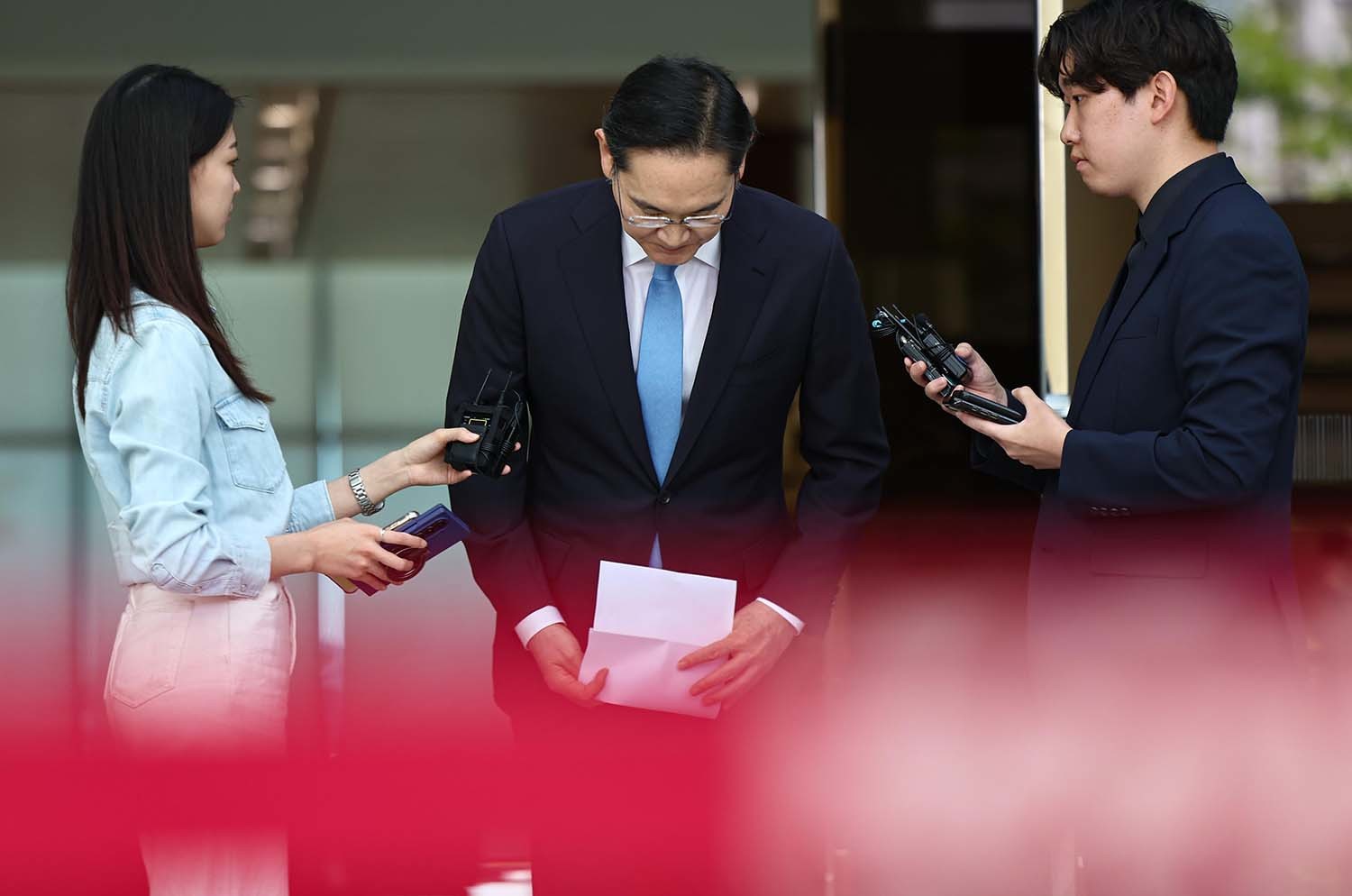
On May 16 at about 2:25 p.m., Lee read a prepared statement in the arrival hall at Gimpo Business Aviation Center and bowed deeply three times.
He said, “I sincerely apologize to our global customers for the anxiety and concern caused by problems inside our company. I bow my head in apology to the public who have supported, loved and even criticized Samsung.”
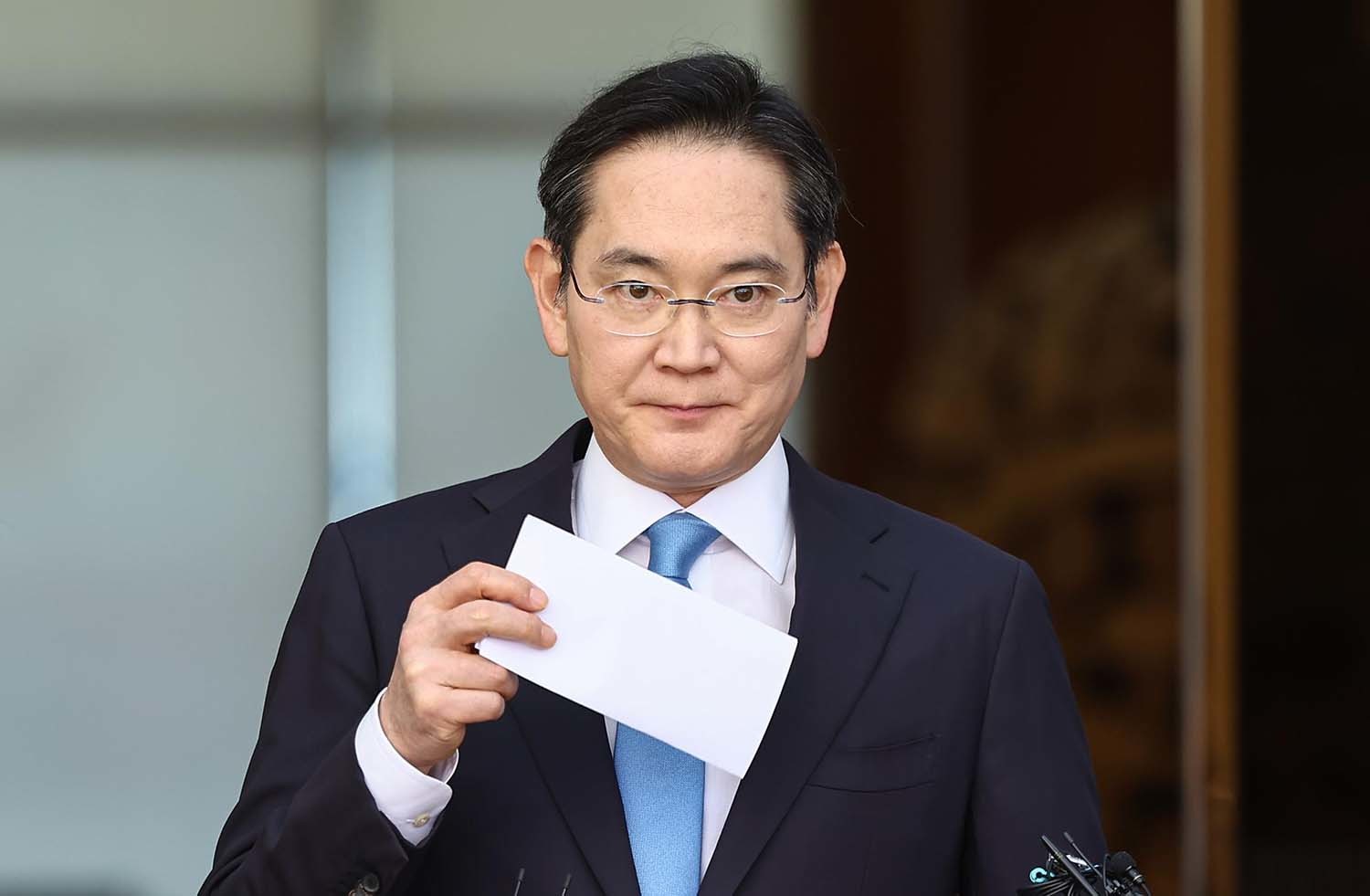
Addressing the union, he appealed, “To union members and the Samsung family: we are one. I will face the fiercest winds and rain and take responsibility; I will shoulder the blame.” Lee’s public apology on labor issues is his first since becoming chairman in October 2022 and marks his first labor‑related apology in six years, since May 2020, when he addressed succession and union matters.
With an 18‑day strike planned from May 21 through June 7 and roughly 46,000 union members indicating they intend to participate, a showdown appeared imminent. Lee opted for a direct, public appeal and has reportedly been personally overseeing the negotiations since his return.
On May 15, Jeon Yeong‑hyun, vice chairman and head of the Device Solutions (DS) division, and 17 other senior executives issued a separate public apology and visited the union office at the Pyeongtaek campus to request talks. In their statement, the executives argued that semiconductors require continuous, 24‑hour operations and therefore cannot be disrupted by strikes; failing to keep promises to customers would erode the company’s credibility.
The parties held a preliminary meeting at the Pyeongtaek campus union office at about 4 p.m. the day before. During that meeting, the company changed its chief negotiator. Management accepted the union’s demand and named Yeo Myung‑gu, head of people for the DS division (vice president), as the new lead negotiator in place of Kim Hyung‑ro. To preserve continuity in talks, the union agreed that Kim could attend mediation sessions but would not speak, signaling reciprocal concessions from both sides.
Choi Seung‑ho, chair of the Cross‑Company Union Joint Struggle Headquarters, said Lee’s apology acknowledged that employees had joined the union because trust between the company and workers had broken down. Restoring that trust will take time, he said, but he hopes the company will work to move forward starting with these negotiations. He added that management apologized for damaging labor‑management trust and pledged to negotiate in good faith, and that he, too, would make every effort.
The government has also focused on last‑minute mediation. Employment and Labor Minister Kim Young‑hoon met with both sides for two consecutive days to urge dialogue. Park Soo‑geun, chairman of the CLC, will personally attend the second post‑mediation session on May 18, underscoring the negotiations’ importance. The session begins at 10 a.m. at the CLC in Sejong.
Earlier mediation from May 11–13 ended without agreement after the sides failed to narrow their gap on bonus‑payment criteria. Choi criticized the proposal he received after nearly 12 hours of waiting as a step backward from the union’s prior demands. The CLC then suggested additional mediation, which both sides accepted, and talks resumed.
The dispute centers on three issues: the bonus pool size, the payment criteria, and whether to institutionalize the scheme. The union demands that 15% of operating profit be allocated to the bonus pool, that the OPI (Over‑Profit Incentive) cap—which currently limits payouts to 50% of annual salary—be abolished, and that these terms be codified in the collective bargaining agreement. Based on this year’s projected operating profit of 300 trillion KRW (about $225 billion), 15% would equal 45 trillion KRW (about $33.8 billion), an amount that would average nearly 600 million KRW (about $450,000) per semiconductor employee.
Management proposed retaining the current OPI system but offering a special, uncapped reward equal to 10% of operating profit (30 trillion KRW, about $22.5 billion) if the company reaches industry No. 1. Under that scenario, semiconductor staff would average about 400 million KRW (about $300,000) per person. The company argues it can institutionalize the scheme through flexible special awards rather than rigid codification.
The union has signaled it might accept a lower share of operating profit if the company expands an OPI stock‑compensation plan that would allow recipients to receive up to 50% of their OPI in shares. That position leaves room for compromise between 10% and 15% of operating profit. Still, the union contends the company has failed to honor promises in the past when profits were strong, while management warns that formalizing the scheme would reduce funds for future investment and could harm the broader industry—suggesting the dispute could run to the wire.
If the walkout proceeds as planned, analysts project turnout of 30,000–50,000 workers—substantially larger than the 2024 strike. Some estimates put direct and indirect losses from a strike at around 100 trillion KRW (roughly $75 billion), concentrated in industry and finance. Major global customers, including NVIDIA, Apple and Tesla, have reportedly already asked Samsung about potential supply disruptions and contingency plans.












Most Commented