
Translation result.
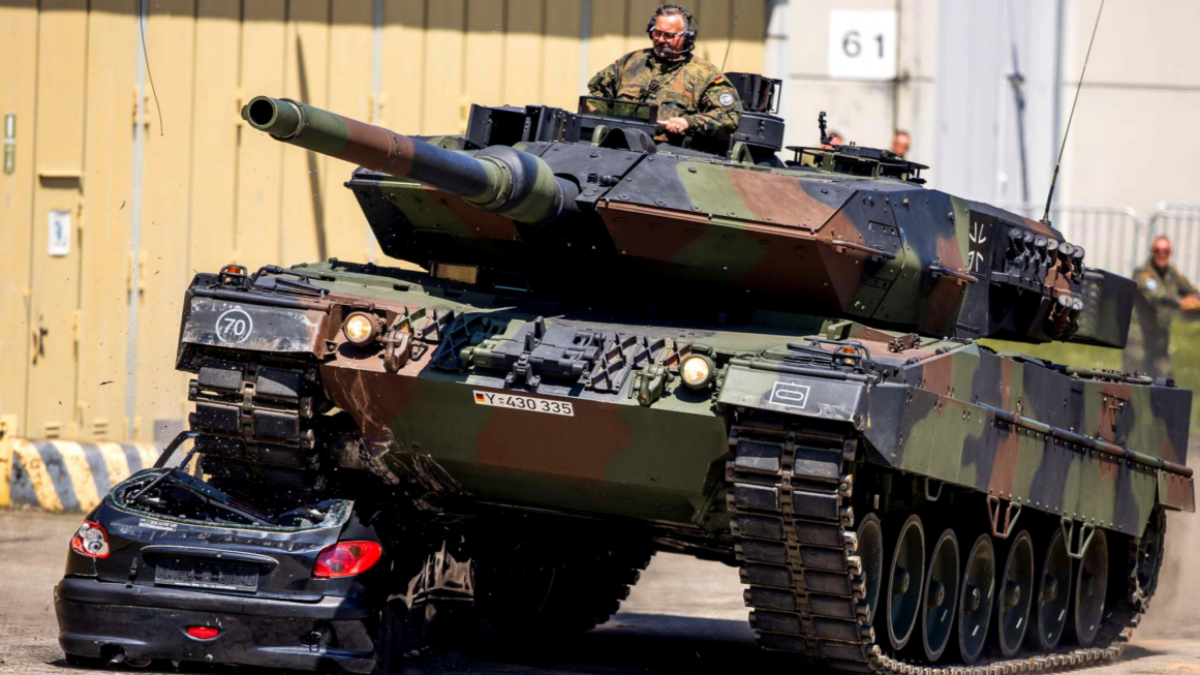
A Generation That Says “I’d Rather Live Under Occupation Than Die on the Battlefield” Has Emerged
When young Germans openly say they would accept occupation rather than fight if Russia attacked, it is not merely provocative rhetoric; it signals a generational shift. Germany — long seen as a pillar of European security since World War II and the Cold War — is witnessing a new consensus among many young people: personal life and security come before risking one’s life for the state. That shift erodes the link between nation, security, and sacrifice that older generations treated as self-evident, and it poses implications for European defense as a whole. For Gen Z, the traditional narrative of civic duty has lost much of its persuasive power.
Budgets Drained by Pensions, Young People Ask: “Are We Just Paying for the Older Generation’s Retirement?”
At the root of this cynicism lies deep economic frustration. With roughly a quarter of Germany’s federal budget committed to pensions for the elderly, many young people feel their taxes and future work are underwriting the comfortable retirements of older cohorts. Housing and living costs are rising, employment is increasingly precarious, and military service looks less like a shared civic duty than an extra burden imposed on youth. In this context, patriotism has shifted from moral feeling to a cold cost-benefit calculation: “What concrete benefits does the state offer me in return?”
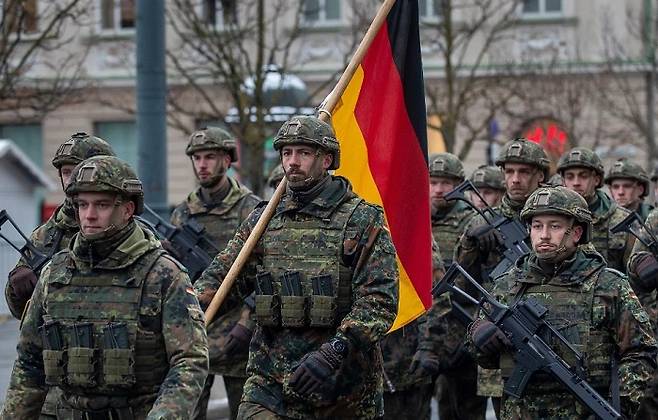
A De Facto Push to Bring Back Conscription: From Questionnaires to Street Protests
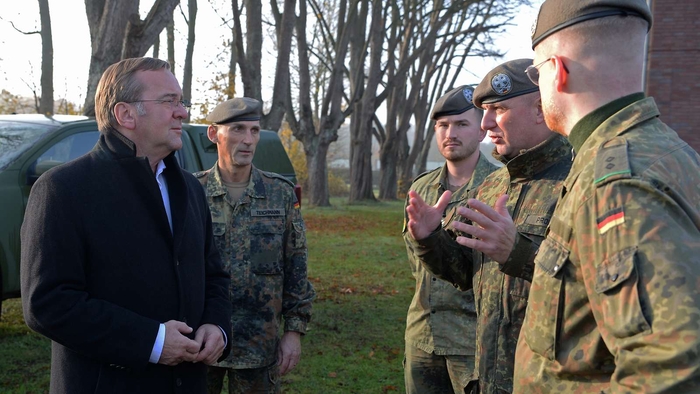
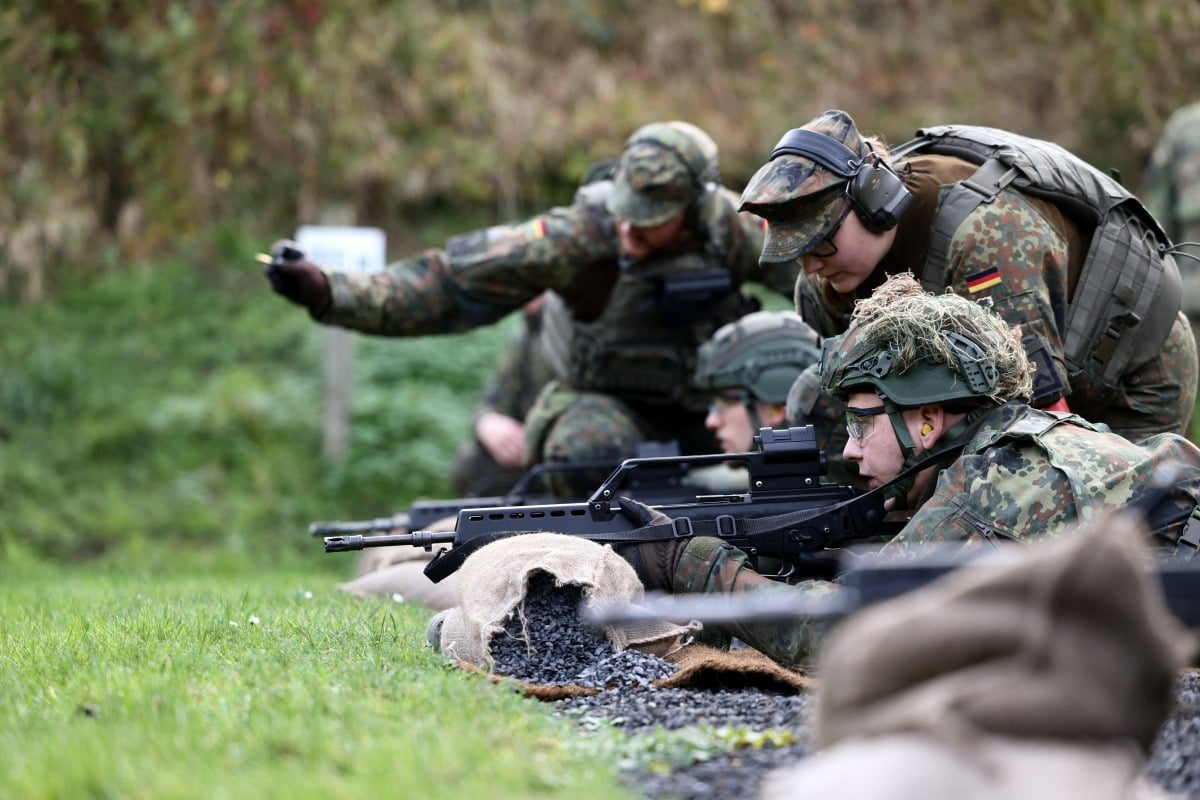
Faced with manpower shortages after the Russia–Ukraine war, the German government is seeking ways to revive conscription indirectly after its 2011 suspension. This year, authorities mailed surveys to roughly 700,000 people born in 2008 asking about fitness and willingness to serve; for men, responding is effectively obligatory. The government has offered incentives — about 4.6 million KRW per month (approximately $3,450) and free driver’s licenses for volunteers — but public reaction on the streets has crystallized into a slogan: “We won’t pick up a gun for a state that won’t protect us.” Many young people view the policy as involuntary mobilization, and protests have drawn tens of thousands of participants.
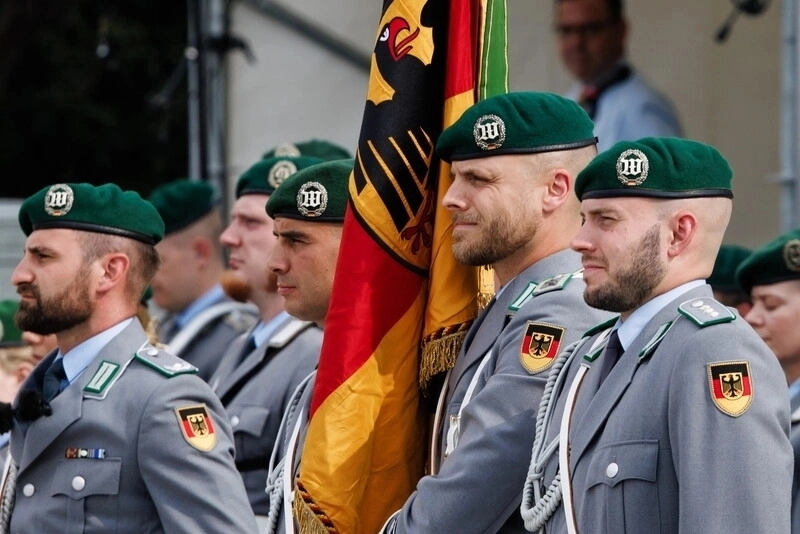
They Want More Troops, but Both Headcount and Age Profile Are in Disarray
Germany’s armed forces number about 184,000 today, and the government aims to expand to 260,000 by 2035. Meeting that goal would require recruiting more than 60,000 new personnel annually, yet this year’s target of 20,000 recruits already looks challenging. The military is barely replacing those who leave, producing an aging force whose units risk losing agility and innovative capacity. Modern warfare depends heavily on the digital skills of young recruits — for drones, cyber operations, and advanced systems — so if younger generations avoid military service, rearmament plans may remain little more than projections on paper.
The Core Question: “What Does the State Do for Me?”
The refrain “I’d rather be occupied” is not an endorsement of Russian forces; it is a pointed expression of disillusionment about the mismatch between what the state expects of young people and what it provides. Security as a public good feels abstract and distant to many youths, while pension burdens, unemployment, and housing insecurity are immediate and tangible. If policymakers cannot narrow that gap, exhortations to “defend democracy” will sound hollow to a generation that demands concrete, reciprocal commitments.
Can Money Buy Patriotism?
Berlin has offered higher pay, expanded benefits, and education incentives to entice recruits, but cash alone may not rebuild trust. Young people want more than better wages: they seek stable career trajectories after service, a fair distribution of intergenerational burdens, and reassurance that the state sees them as citizens, not just as bodies to mobilize.
Germany’s Today Could Be Other Advanced Countries’ Tomorrow
Aging populations, pension pressures, and economic insecurity among young people are not unique to Germany. Many advanced democracies, including South Korea, face similar structural challenges. In comparable security crises, appeals to “fight for the country” risk losing their persuasive power. Germany’s stark declaration — “I’d rather be occupied than die in battle” — is an extreme formulation, but it encapsulates a broader generational cry: “Is this state really protecting me?”










Most Commented