
Translation result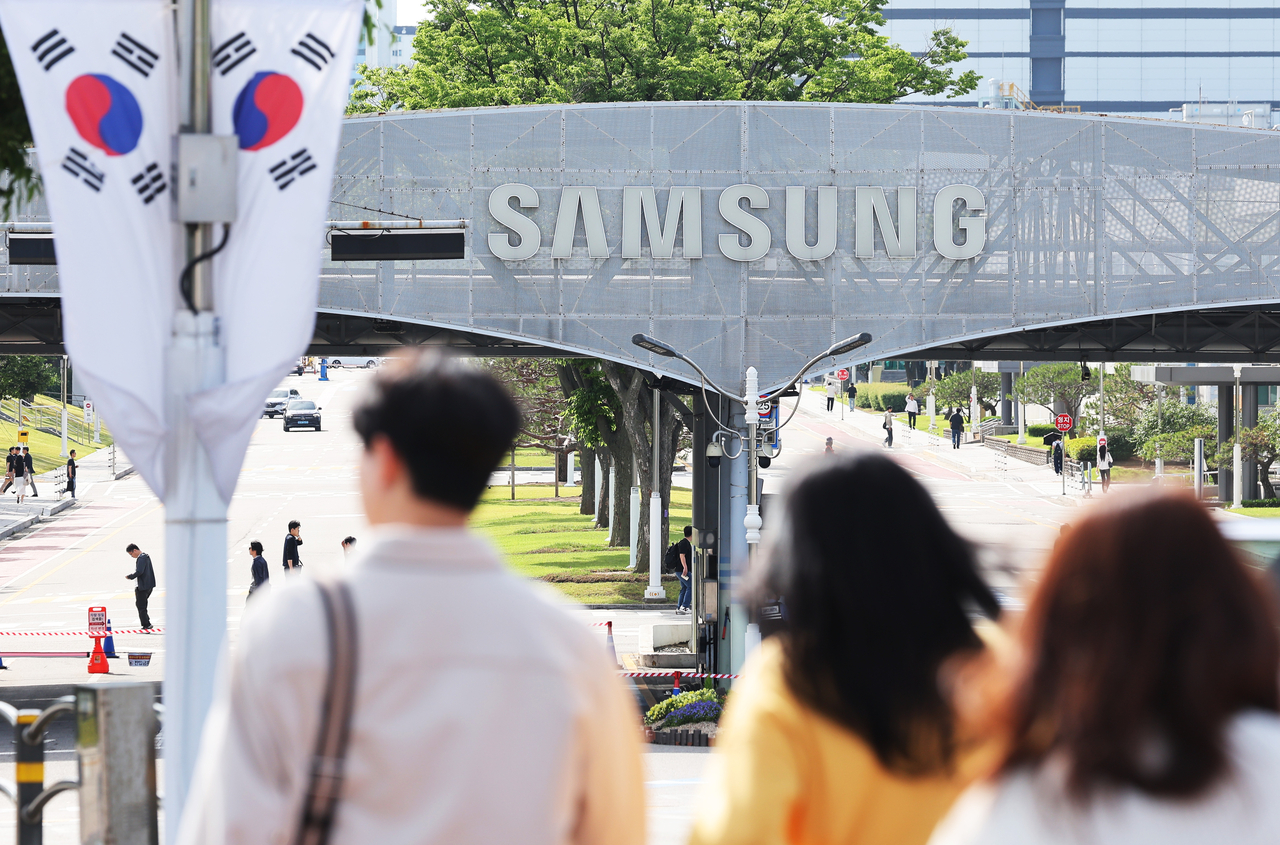 [Herald Economy = Reporter Han Ji-sook] As the semiconductor boom raises expectations that employees at Samsung Electronics and SK Hynix could receive performance payouts worth hundreds of millions of KRW (roughly hundreds of thousands of USD), major labor federations and farmers’ groups are pushing back and demanding broader profit sharing.
The National Farmers’ Federation (Jeonnong) issued a statement on the 22nd saying, “The source of Samsung Electronics’ massive profits includes the sweat and blood of farmers who have been thoroughly neglected.” It accused companies of erecting large transmission towers in nonmetropolitan farming areas to supply semiconductor plants in the Seoul metropolitan region and of prioritizing pipelines to factories even when agricultural water supplies are strained.
 Building on that argument, Jeonnong urged lawmakers to enact a “trade-gains-sharing” law and to introduce an “excess profits” tax. The trade-gains-sharing proposal would reclaim a portion of profits companies obtain under free trade agreements to support industries harmed by those agreements, including agriculture and fisheries. Jeonnong called on the government and the National Assembly to intervene, arguing that corporate goodwill alone cannot correct an abnormal concentration of wealth.
The two major labor confederations also rejected exclusive claims to corporate gains and said profit-distribution talks must include subcontractor and supplier workers. The Korean Confederation of Trade Unions said in a statement that “Samsung’s global success is not the exclusive property of permanent employees at large firms,” adding that those gains reflect a “social total labor” — the combined work of subcontracted and nonregular workers who faced dangerous and difficult conditions, together with the region’s infrastructure.
The Federation of Korean Trade Unions similarly insisted that corporate gains should not remain confined to prime contractors. It called for concrete measures — including revising supplier pricing structures and sharing technology and production profits — so subcontractor workers can receive a fair share.
Separately, a Samsung shareholder group warned it would pursue legal action, arguing the tentative wage deal between labor and management may be unlawful. The Korea Shareholders’ Movement Headquarters held a rally the same day near Chairman Lee Jae-yong’s residence in Hannam-dong, Yongsan, and contended that an agreement to allocate 12% of pre-tax operating profit “effectively infringes shareholders’ residual property claims.”
The shareholder group said it will sue to invalidate any board resolution that ratifies and implements the deal, and it will seek injunctive relief to halt the alleged illegal act. It also announced plans to file a derivative suit seeking damages against any director who votes to approve the agreement, alleging breaches of fiduciary duty under the Commercial Act.
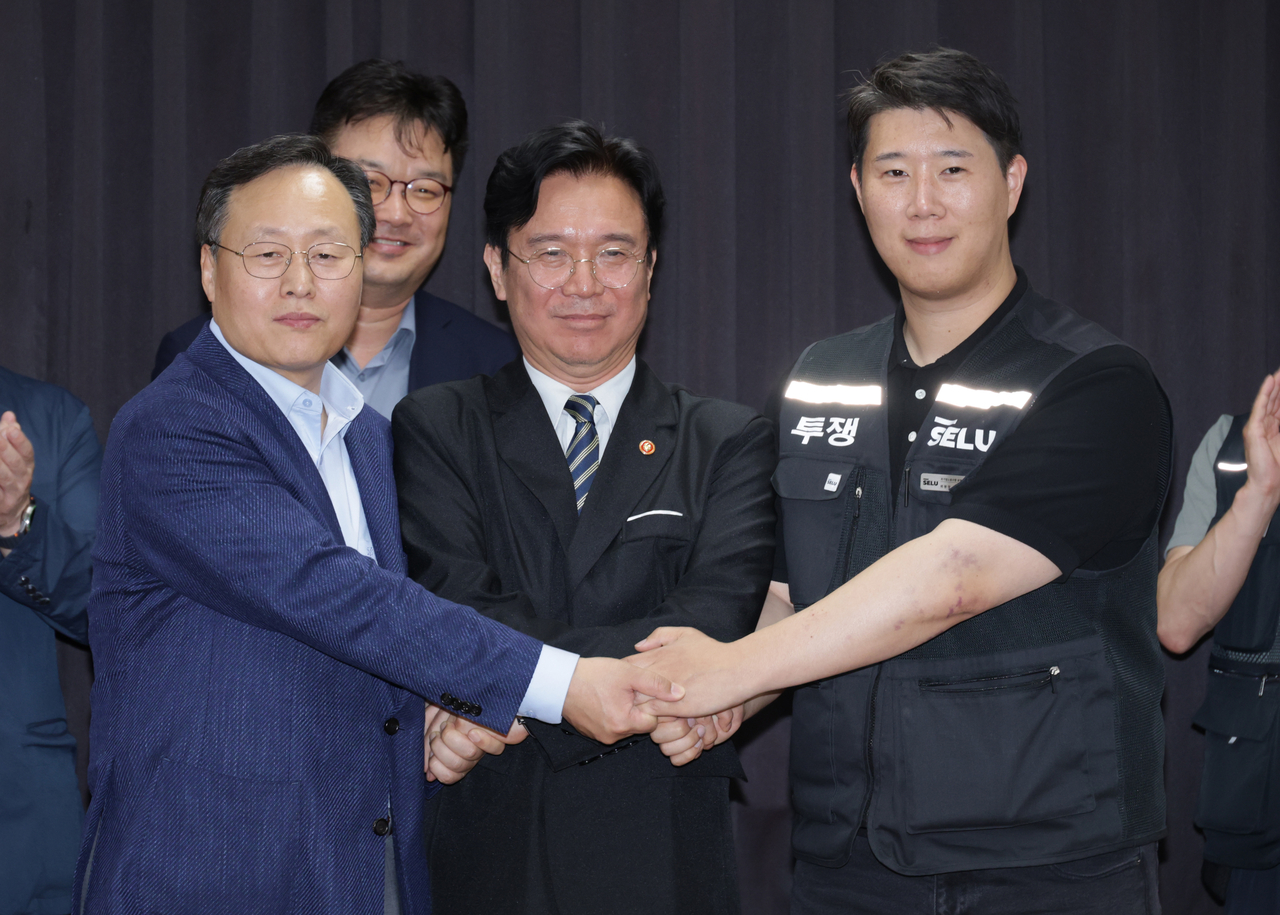
Samsung labor and management reached a dramatic tentative wage agreement on May 20, a day before a planned general strike. Under the deal, Samsung’s memory division could award performance bonuses of up to 600 million KRW (450,000 USD, pre-tax; based on an annual salary of 100 million KRW (75,000 USD)). The non-memory division could see bonuses of at least about 160 million KRW (120,000 USD).
Analysts estimate that if the DS (Device Solutions) division posts operating profit of about 300 trillion KRW (225 billion USD), the fund for special management performance bonuses alone could total roughly 31.5 trillion KRW (about 23.6 billion USD).












Most Commented