
Translation result. 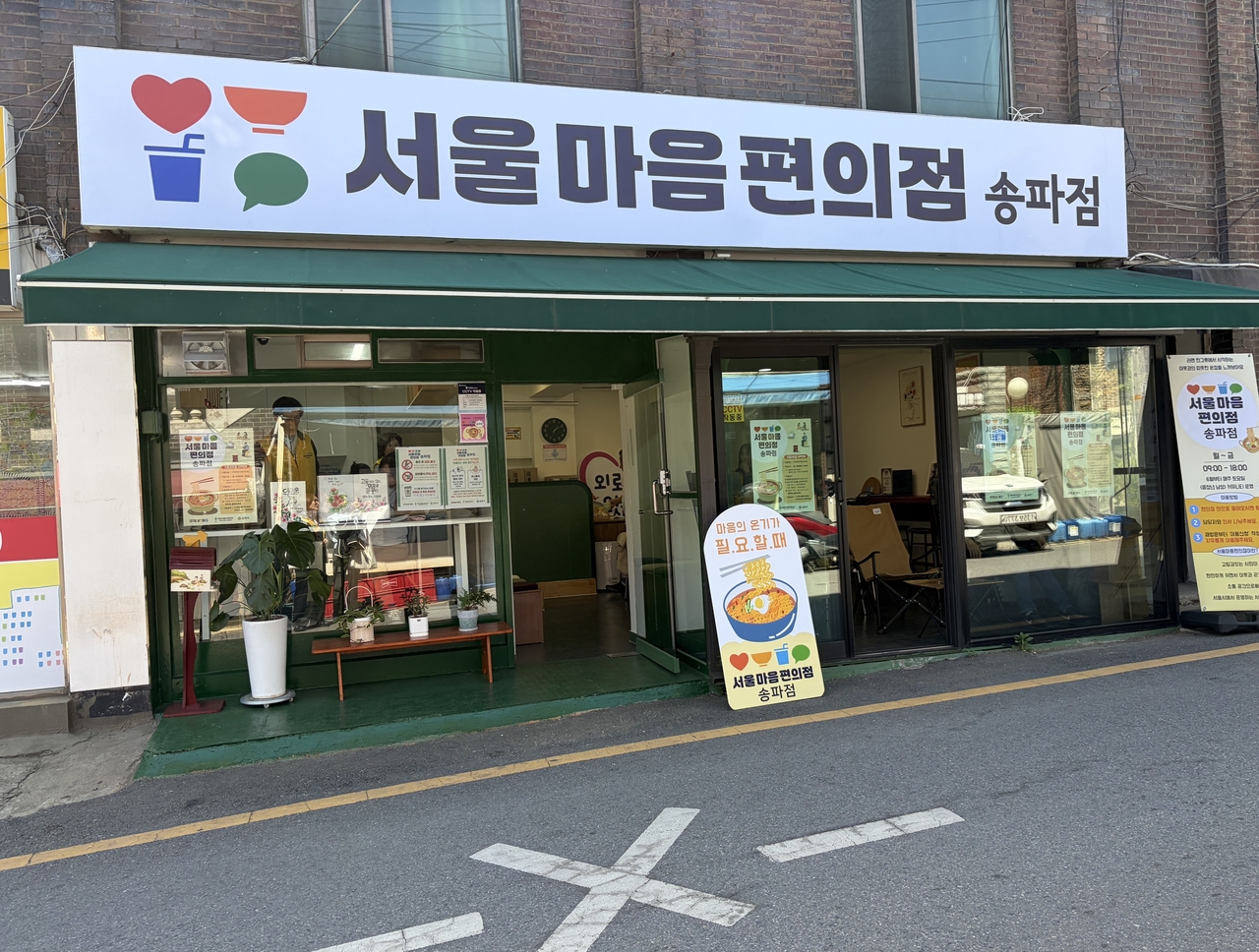 [Herald Economy = Son In-kyu] Seoul’s “No-Loneliness Seoul” policy received in-depth coverage from the international news channel France 24.
The city said France 24 emphasized that Seoul treats loneliness not as a private feeling but as a social problem requiring public action, and that the city has developed a comprehensive urban strategy linking counseling, dedicated spaces, and community programs.
Seoul officials said on the 21st that France 24’s report on the 18th (local time), titled Un ennemi sans visage : Séoul face à l’épidémie de solitude (A Faceless Enemy: Seoul Confronts the Epidemic of Loneliness), examined the city’s rapid growth in one-person households and its rising social isolation in depth.
According to the report, roughly half of Seoul’s households are now single-person households, and many residents in those households experience loneliness. The piece noted that more than 40% of men and women aged 25 to 49 say they do not intend to marry, and that increasing individualization and declining marriage rates have pushed loneliness to the forefront as a new urban social challenge.
France 24 highlighted the city’s flagship initiative, the Seoul Mind Convenience Store (Seoul Mind Convenience Store). These community spaces are open to all residents, who can drop in for a simple meal—instant noodles, for example—and talk with others to rebuild social connections. The city began with four locations in 2025, now operates 19, and plans to reach 25 by year’s end.
The report included firsthand testimony. A 63-year-old resident living alone told the outlet, “It’s much better than reading by myself at home. Talking with neighbors helps me feel at ease.”
France 24 concluded that Seoul’s approach goes beyond delivering basic welfare services: it aims to restore relationships among residents and to rebuild social networks.
The channel also devoted substantial attention to the city’s 24-hour counseling hotline, Goodbye Loneliness 120 (Goodbye Loneliness 120). Counselors use phone calls and everyday conversation to identify people at risk of isolation early and connect them with necessary welfare and emotional support.
Seoul’s No-Loneliness initiative has already drawn attention from major international outlets, including The Guardian and the BBC, as well as media in the United States, France, Brazil, and Singapore. Previous reports similarly noted that Seoul frames loneliness as a social and public-policy issue rather than merely an individual emotion, and they pointed to programs such as the Seoul Mind Convenience Stores, the hotline, and an AI-based isolation-prevention system as components of a new urban welfare model.
Yoon Jong-jang, Seoul’s welfare director, said, “With major international outlets like The New York Times and France 24 recognizing our policy as a new urban care model, we will continue building a dense social safety net through No-Loneliness Seoul.”













Most Commented