Quick access to main page (top) Direct access to main contents Quick access to main page (bottom)

Samsung Strike Averted: How a Last-Minute Deal Saved the Tech Giant

Daniel Kim Views  

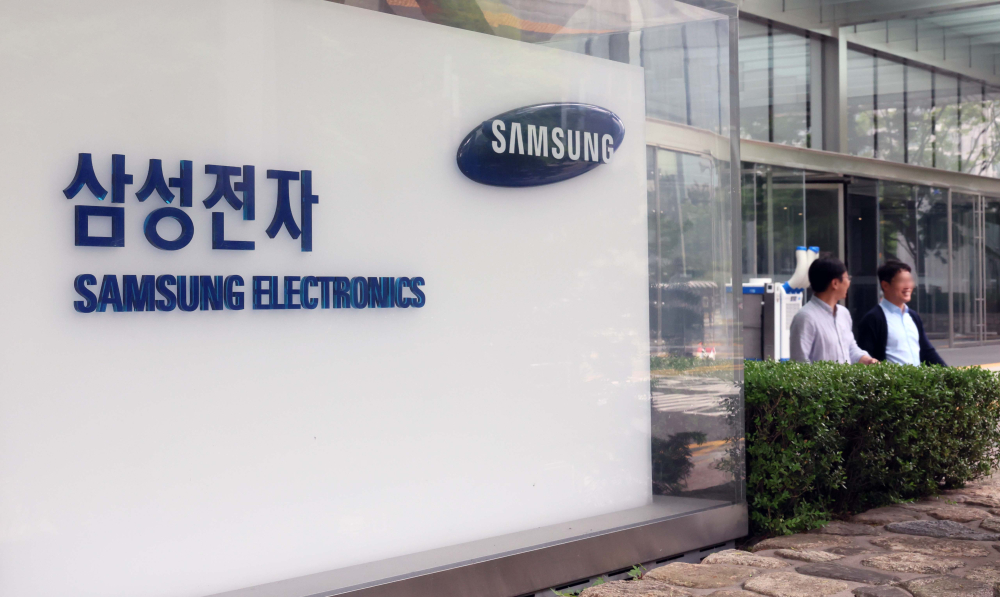
Reporter Shin Tae-hyun holjjak@Samsung Electronics Seocho Building.

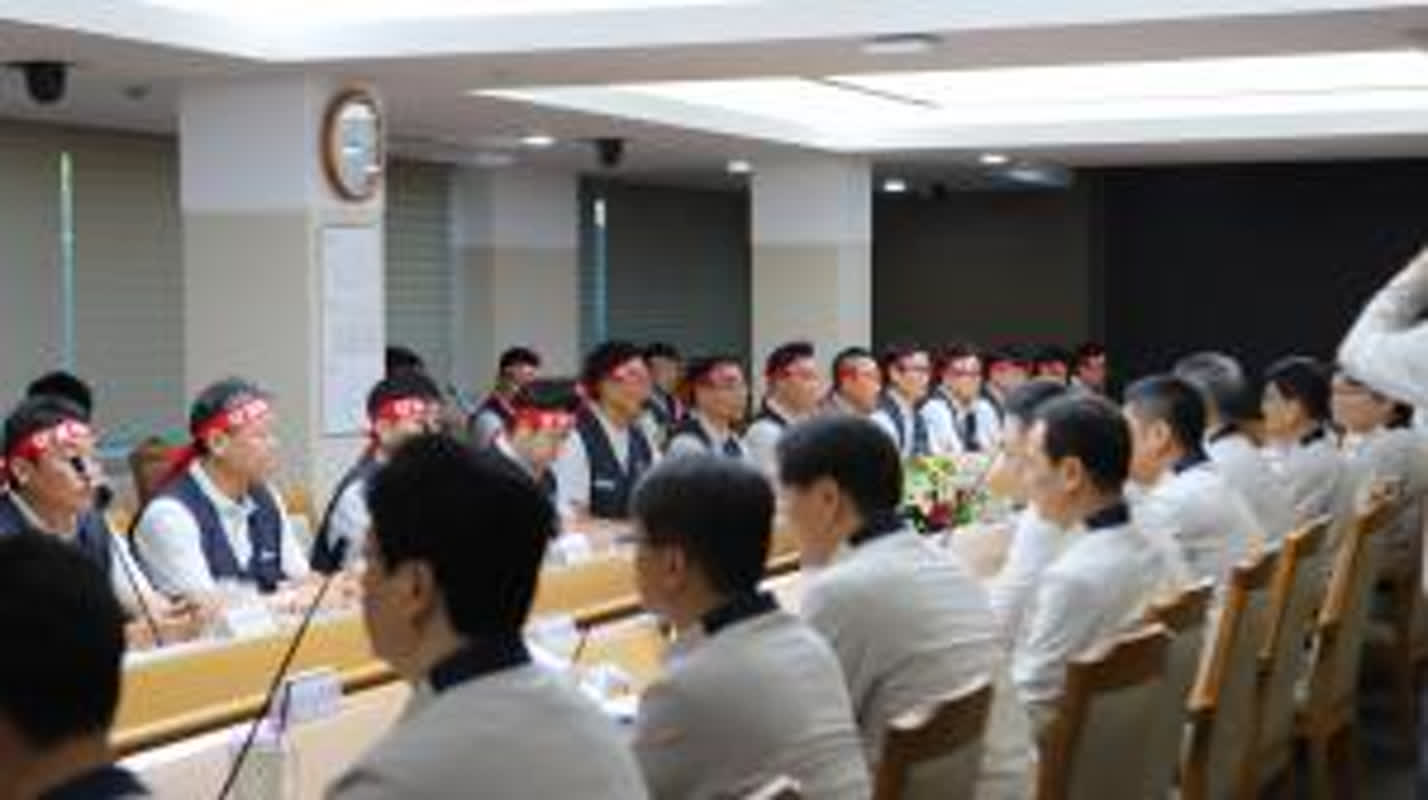
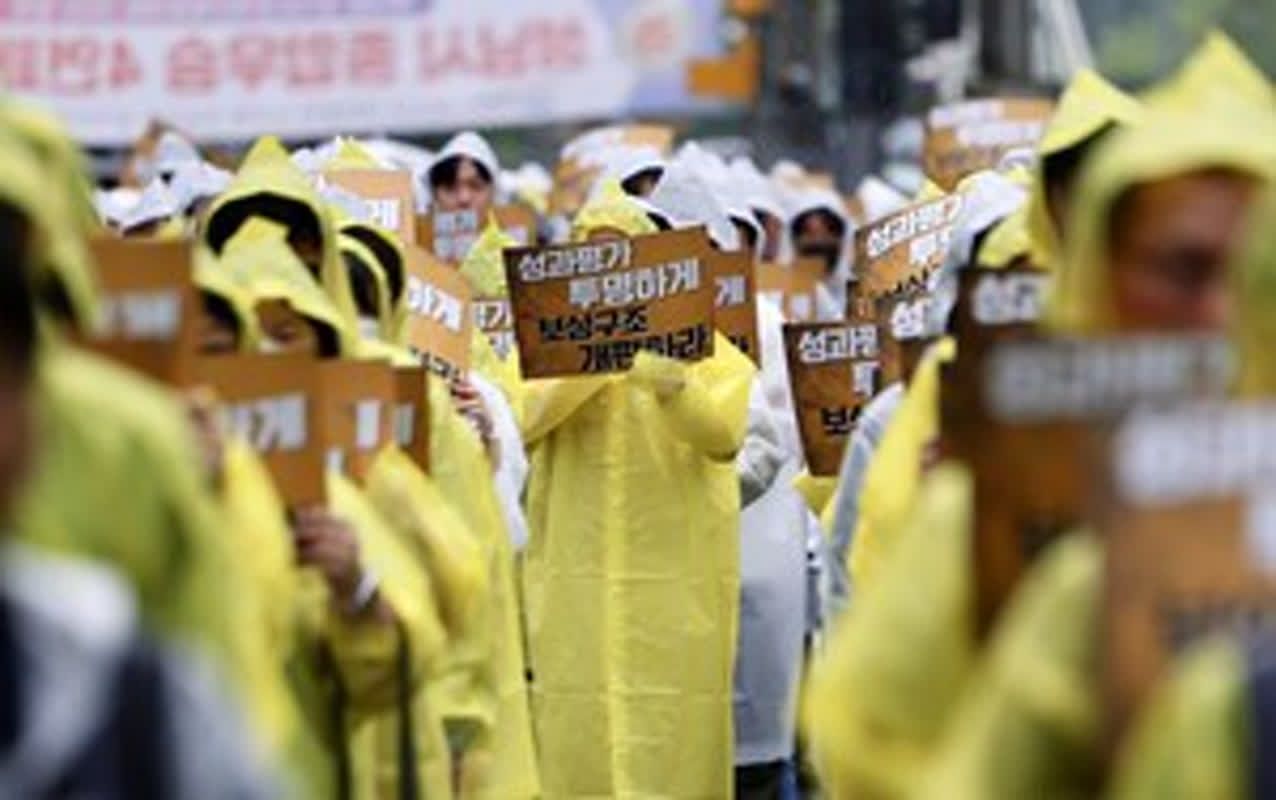
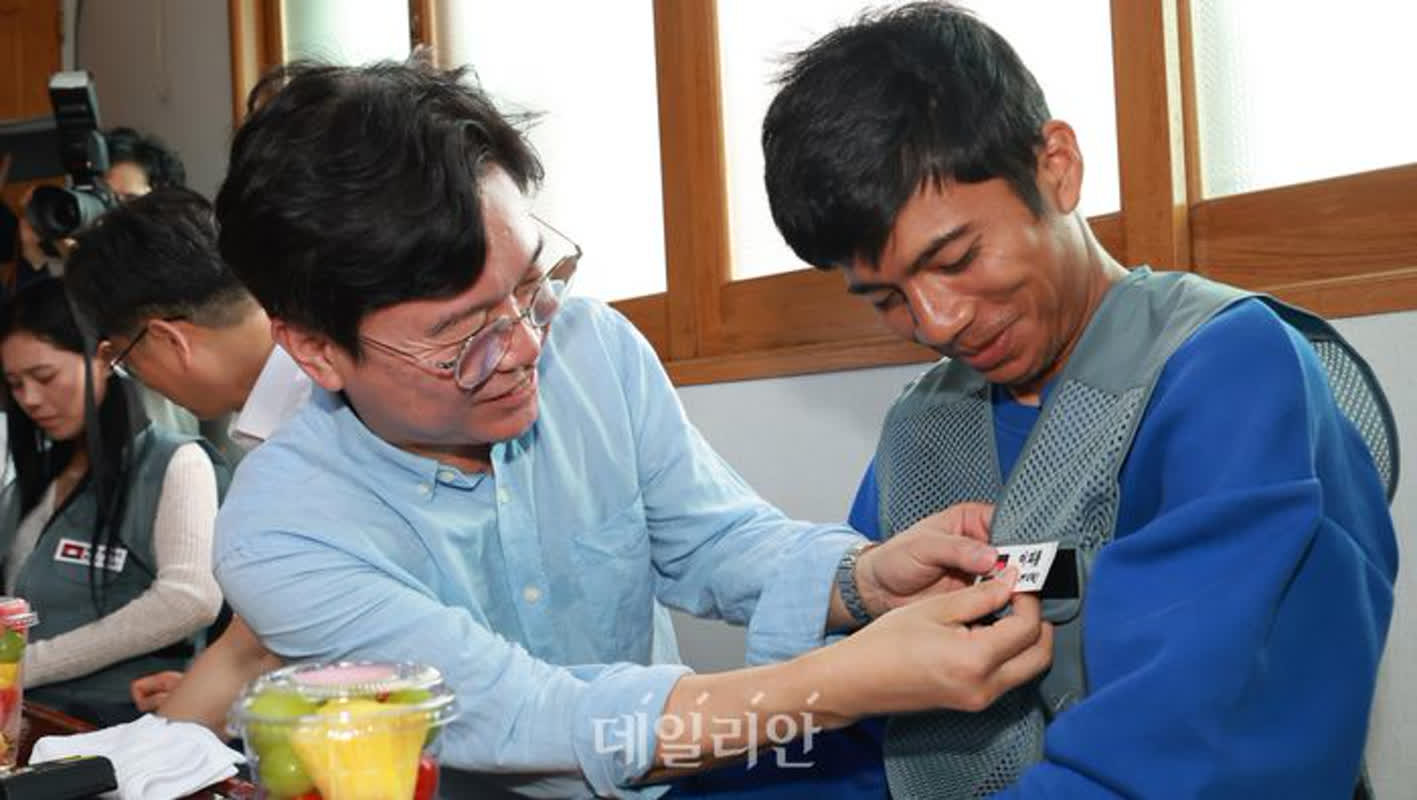
Labor and management at Samsung Electronics reached a last-minute agreement roughly 90 minutes before a planned general strike. Analysts say the government’s insistence on keeping channels of communication open and its role in brokering a compromise were decisive. Resolving the final sticking point—compensation for loss-making business units—by allocating a portion of performance bonuses ultimately averted the walkout.

Labor attorney Kim Hyo-shin told YTN Radio’s “Wise Radio Life” on the 21st that the government refused to abandon negotiations. Although post-adjustment talks at the Central Labor Relations Commission collapsed the day before the strike, the parties reconvened at the Gyeonggi Employment and Labor Office. There, government officials, union representatives and company negotiators sat down again and, after reciprocal concessions, reached an agreement. He stressed that formal legal adjustment procedures had already been exhausted and that the parties voluntarily returned to the table, but the government’s persistent mediation was a major factor.

The negotiations dragged on mainly over how to compensate loss-making units. Kim said the union demanded that Samsung’s non-memory business units receive performance bonuses despite operating in the red. The company resisted, arguing that rewards should be tied to performance and that paying bonuses to underperforming units would undermine a core managerial prerogative—its compensation system. Ultimately, the parties agreed to allocate a portion of the performance bonus to the non-memory units.

Kim also emphasized the significance of direct government mediation. He said the earlier lack of government involvement had been a problem, noting that unions typically occupy a weaker position in bargaining with major firms and that issues like performance bonuses have long been difficult to bring to the bargaining table. Given Samsung’s large share of semiconductor exports and its central role in key industries in the AI era, officials felt they could not remain passive if a massive union of about 75,000 members went on strike; there was an urgent need to prevent that outcome.

From the labor movement’s perspective, the agreement could mark a turning point. Kim said it was significant that an issue previously excluded from bargaining—the distribution of performance bonuses—was brought onto the negotiation table and resolved. A large, independent union without an affiliated federation achieved its aims through a pragmatic strategy, which could signal a shift in union tactics. He added that the government’s role as a facilitator, keeping both sides at the table, was key to producing results.

Kim cautioned, however, that the Samsung union did not secure broad public support during the dispute. He acknowledged public resentment that the union appeared to focus narrowly on bonus distribution. While unions are, by nature, interest groups, he said they must balance material demands with legitimacy and public purpose. Historically, unions have won support by advocating for the vulnerable and promoting social solidarity; the perception that the Samsung union was chiefly pursuing bonus redistribution garnered some regret even within the labor movement.

Daniel Kim
content@tenbizt.com

Comments0

300

Comments0

[Social] Latest Stories

  • Starbucks Korea CEO Fired Over Controversial ‘Tank Day’ Promotion
    Starbucks Korea CEO Fired Over Controversial 'Tank Day' Promotion
  • 25,000 Robots vs. Human Workers: The High-Stakes Battle at Hyundai
    25,000 Robots vs. Human Workers: The High-Stakes Battle at Hyundai
  • Hotel Hygiene Scandal: Cleaner Caught Using Guest Towels to Wipe Toilets
    Hotel Hygiene Scandal: Cleaner Caught Using Guest Towels to Wipe Toilets
  • South Korea’s Tech Giant Kakao Faces First Major Strike in 20 Years
    South Korea's Tech Giant Kakao Faces First Major Strike in 20 Years
  • South Korea’s Aging Crisis: How One Leader Is Redefining ‘Well-Dying’
    South Korea’s Aging Crisis: How One Leader Is Redefining 'Well-Dying'
  • Stop Calling Them ‘Hey You’: South Korea’s New Push for Worker Respect
    Stop Calling Them 'Hey You': South Korea's New Push for Worker Respect

Weekly Best Articles

  • Choi Dong-seok’s Family Bond: How a Simple Engraving Reveals Deep Love for His Children
  • Kwak Sun-hee’s Stunning Wedding Photos: A Celebration of Love and Courage
  • Is ‘I Am a Natural Person’ Just a Big Lie? Comedian Yoon-taek Reveals Shocking Secrets!
  • Health Scare: Why Fans Are Worried About Go Ji Yong’s Dramatic Weight Loss
  • Discover the Winter Gongju Chestnut Festival: A Taste of Korea at H-Mart in the USA!
  • 2026 Spring Wildfire Prevention: How Gyeryong City is Cutting Response Time to 30 Minutes!

You May Also Like

  • 1
    Ukraine’s EU Bid Surges as Hungary Drops Opposition Amid Russian Attacks

    Politics 

    Ukraine’s EU Bid Surges as Hungary Drops Opposition Amid Russian Attacks
  • 2
    Trump Backs Colombia's 'El Tigre' — What It Means for U.S. Relations

    Politics 

    Trump Backs Colombia’s ‘El Tigre’ — What It Means for U.S. Relations
  • 3
    Trump Backs Colombia's Far-Right Outsider—What's at Stake?

    Politics 

    Trump Backs Colombia’s Far-Right Outsider—What’s at Stake?
  • 4
    12.5% Tariff Hit: South Korea Faces New U.S. Trade Penalties

    Politics 

    12.5% Tariff Hit: South Korea Faces New U.S. Trade Penalties
  • 5
    12.5% Tariff Alert: Why the U.S. Is Targeting South Korean Imports

    Politics 

    12.5% Tariff Alert: Why the U.S. Is Targeting South Korean Imports

Popular Now

  • 1
    Marta Kostyuk Makes History at French Open Amid Ukraine Crisis

    Politics 

  • 2
    37 Years in Exile: The Tiananmen Leader Who Just Wants to Go Home

    Politics 

  • 3
    South Korea's Cheongju Airport Faces Crisis as Passenger Numbers Explode

    Politics 

  • 4
    Nuclear Submarine Race: South Korea's High-Stakes Bid for U.S. Fuel

    Politics 

  • 5
    France Finally Admits Complicity in the 1994 Rwandan Genocide

    Politics 

Weekly Best Articles

  • Choi Dong-seok’s Family Bond: How a Simple Engraving Reveals Deep Love for His Children
  • Kwak Sun-hee’s Stunning Wedding Photos: A Celebration of Love and Courage
  • Is ‘I Am a Natural Person’ Just a Big Lie? Comedian Yoon-taek Reveals Shocking Secrets!
  • Health Scare: Why Fans Are Worried About Go Ji Yong’s Dramatic Weight Loss
  • Discover the Winter Gongju Chestnut Festival: A Taste of Korea at H-Mart in the USA!
  • 2026 Spring Wildfire Prevention: How Gyeryong City is Cutting Response Time to 30 Minutes!

Must-Reads

  • 1
    Ukraine’s EU Bid Surges as Hungary Drops Opposition Amid Russian Attacks

    Politics 

    Ukraine’s EU Bid Surges as Hungary Drops Opposition Amid Russian Attacks
  • 2
    Trump Backs Colombia's 'El Tigre' — What It Means for U.S. Relations

    Politics 

    Trump Backs Colombia’s ‘El Tigre’ — What It Means for U.S. Relations
  • 3
    Trump Backs Colombia's Far-Right Outsider—What's at Stake?

    Politics 

    Trump Backs Colombia’s Far-Right Outsider—What’s at Stake?
  • 4
    12.5% Tariff Hit: South Korea Faces New U.S. Trade Penalties

    Politics 

    12.5% Tariff Hit: South Korea Faces New U.S. Trade Penalties
  • 5
    12.5% Tariff Alert: Why the U.S. Is Targeting South Korean Imports

    Politics 

    12.5% Tariff Alert: Why the U.S. Is Targeting South Korean Imports

Popular Now

  • 1
    Marta Kostyuk Makes History at French Open Amid Ukraine Crisis

    Politics 

  • 2
    37 Years in Exile: The Tiananmen Leader Who Just Wants to Go Home

    Politics 

  • 3
    South Korea's Cheongju Airport Faces Crisis as Passenger Numbers Explode

    Politics 

  • 4
    Nuclear Submarine Race: South Korea's High-Stakes Bid for U.S. Fuel

    Politics 

  • 5
    France Finally Admits Complicity in the 1994 Rwandan Genocide

    Politics 

Share it on...