
Samsung Electronics Union Negotiates Last Chance Before Strike: Will They Resolve the Bonus Dispute?
Daniel Kim Views
Translation result.
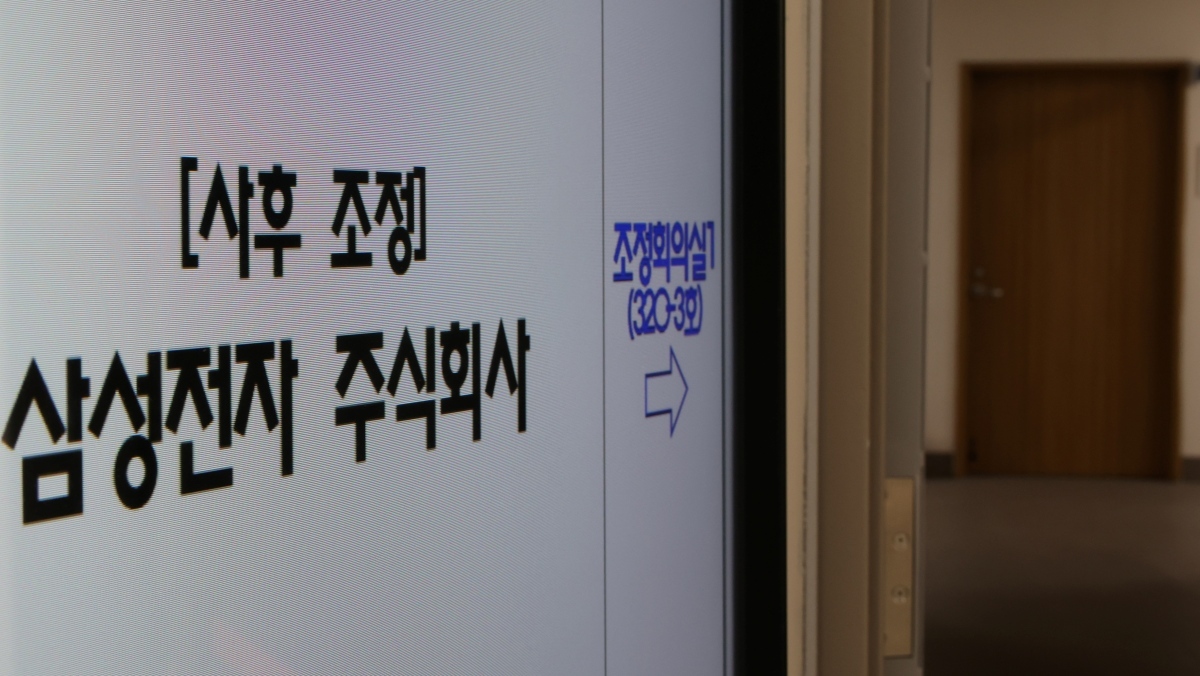
Samsung Electronics and its union will attempt to reach a last-minute compromise in post-adjustment mediation resuming this morning, one day before a planned general strike.
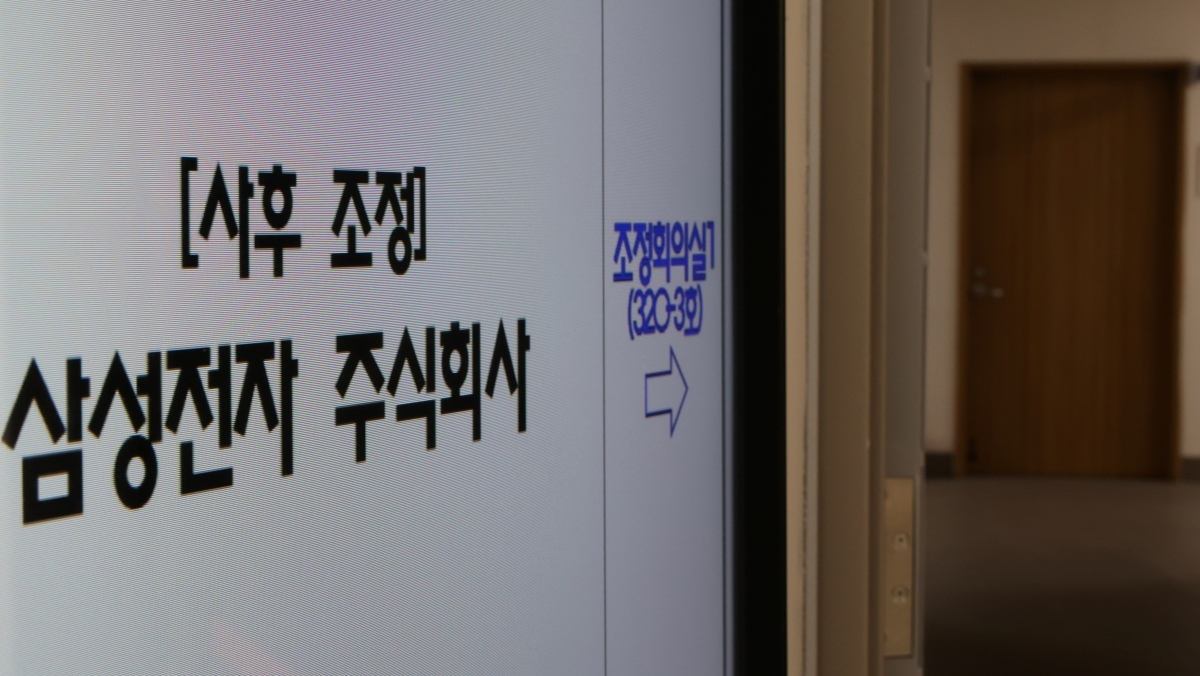
Unable to bridge differences over formalizing performance bonuses, Samsung Electronics and the union adjourned the post-adjustment mediation at 12:30 a.m. on May 20 and agreed to resume negotiations at 10 a.m. later that morning.
The two sides held a second post-adjustment session at the Central Labor Commission at the Government Sejong Complex from 10 a.m. to 6:20 p.m. on May 18 but failed to reach an agreement. They resumed talks at 10 a.m. on May 19 to continue discussions about bonuses, but the meeting ran past midnight. With disputes over removing the bonus cap, how to allocate funds and whether to institutionalize any agreement unresolved, the Commission adjourned at 12:30 a.m. on May 20.
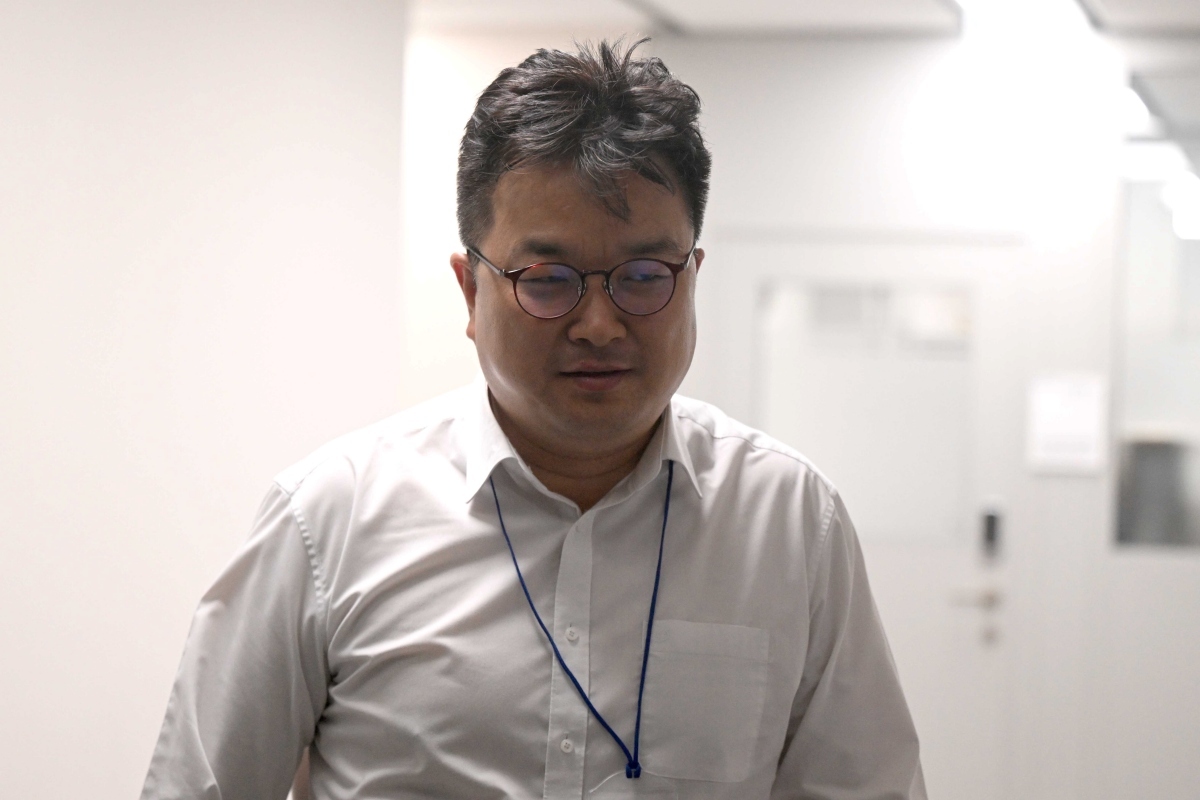
Consensus on scrapping bonus cap, disagreement over distribution
The chief dispute centers on overhauling the performance-bonus system. The union demands the company remove the current cap that limits bonuses to 50% of annual salary. It also wants bonus criteria written into policy and institutionalized for the long term. The union argues bonuses should be distributed more evenly, including to employees in loss-making divisions within the semiconductor business.
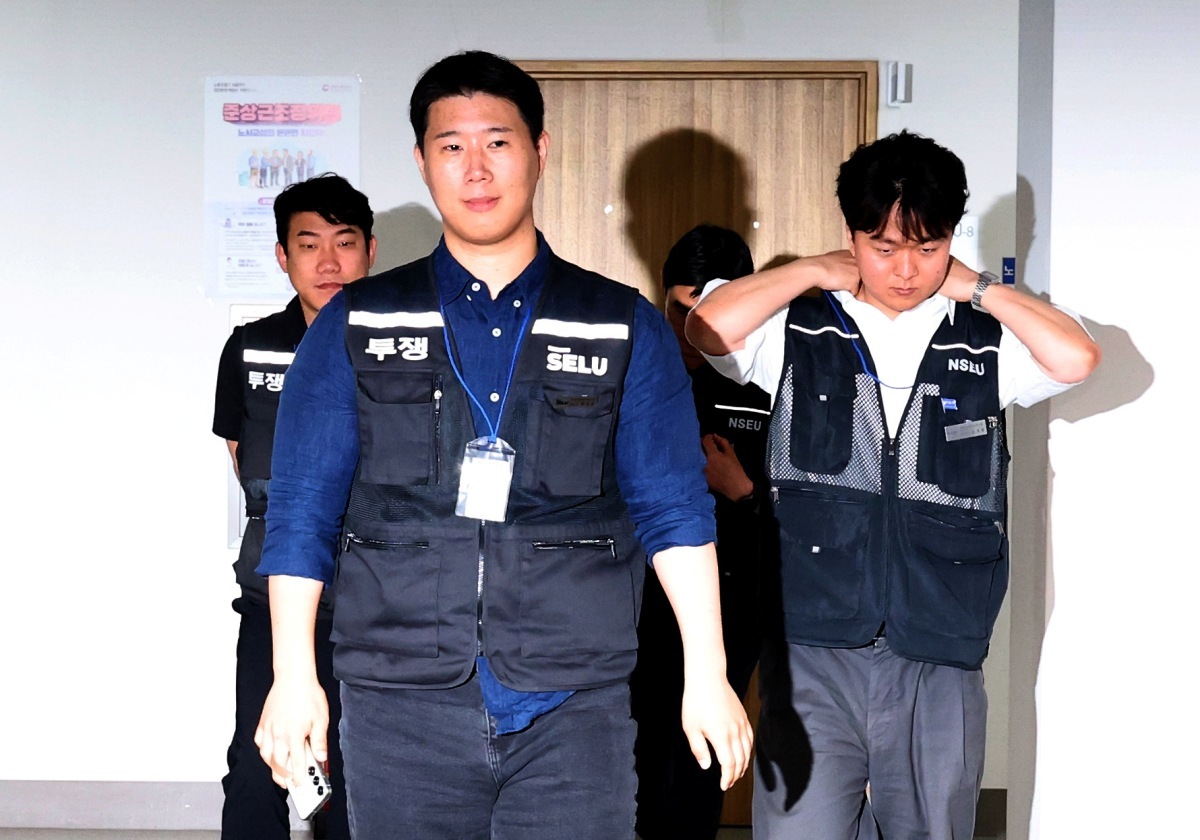
Company negotiators insist on preserving merit-based pay. They warn that weakening differential rewards tied to business-unit performance could undermine the existing performance system. During preliminary talks, Samsung proposed allocating 60% to a common pool and 40% by business unit. Sources say the company has shown some willingness to remove the bonus cap itself.
Samsung is also considering using roughly 10% of operating profit as an additional bonus pool when the company posts large operating gains. The union argues that one-off additional payments are not enough; it insists on clear institutionalization and sustainable criteria first.
The duration of any agreement is another sticking point. The union seeks institutional guarantees rather than a temporary memorandum. The company has proposed running the system for a fixed period and reopening negotiations afterward; a three-year maintenance period before renegotiation was discussed in preliminary meetings.
Within the union, members have compared the talks to SK Hynix’s agreement to lift its bonus cap for 10 years. That precedent contributes to union skepticism about accepting a short-term institutionalization plan from Samsung.
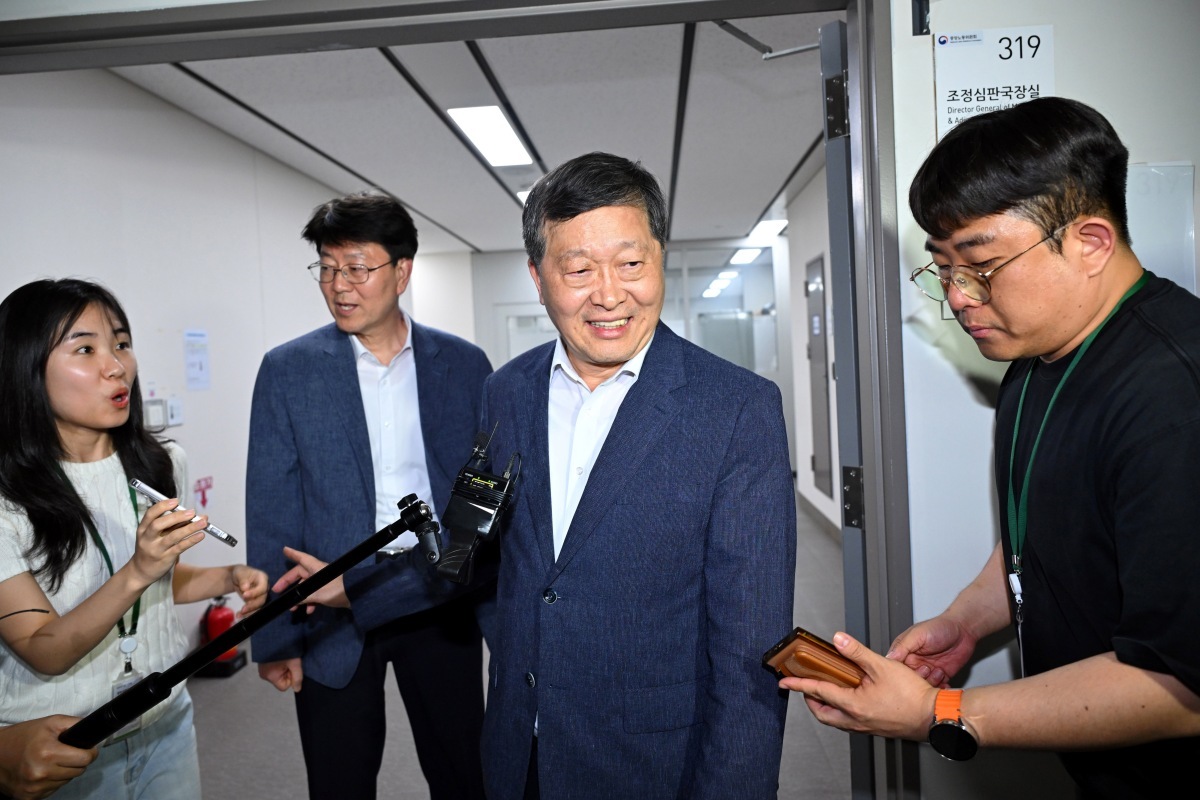
Final negotiation before general strike resumes at 10 a.m.
Observers say this session is effectively the last negotiation before the planned strike. The union has warned it will launch a general strike starting May 21. If talks that resume this morning fail to produce a dramatic settlement, the situation is likely to move toward an actual strike.
During negotiations on May 19, Central Labor Commission chair Park Soo-geun said, \”A couple of issues remain unresolved,\” and urged that \”both sides must make concessions.\” He added there was \”some\” possibility of an agreement, but the parties still failed to reach a final deal after discussions that ran past midnight.
If either side rejects the mediation proposal, talks will collapse and a general strike will likely follow. The first round of post-adjustment talks, held May 11–12, also ran past midnight and only concluded in the early hours of May 13.
The government is monitoring the situation closely. Officials have warned they may invoke emergency mediation powers if a general strike materializes, citing potential impacts on the semiconductor industry and the national economy. Labor groups, including the Samsung union, strongly oppose that move.












Most Commented