
Will Samsung Electronics Avoid a Total Strike? Insights from Labor Relations Expert
Daniel Kim Views
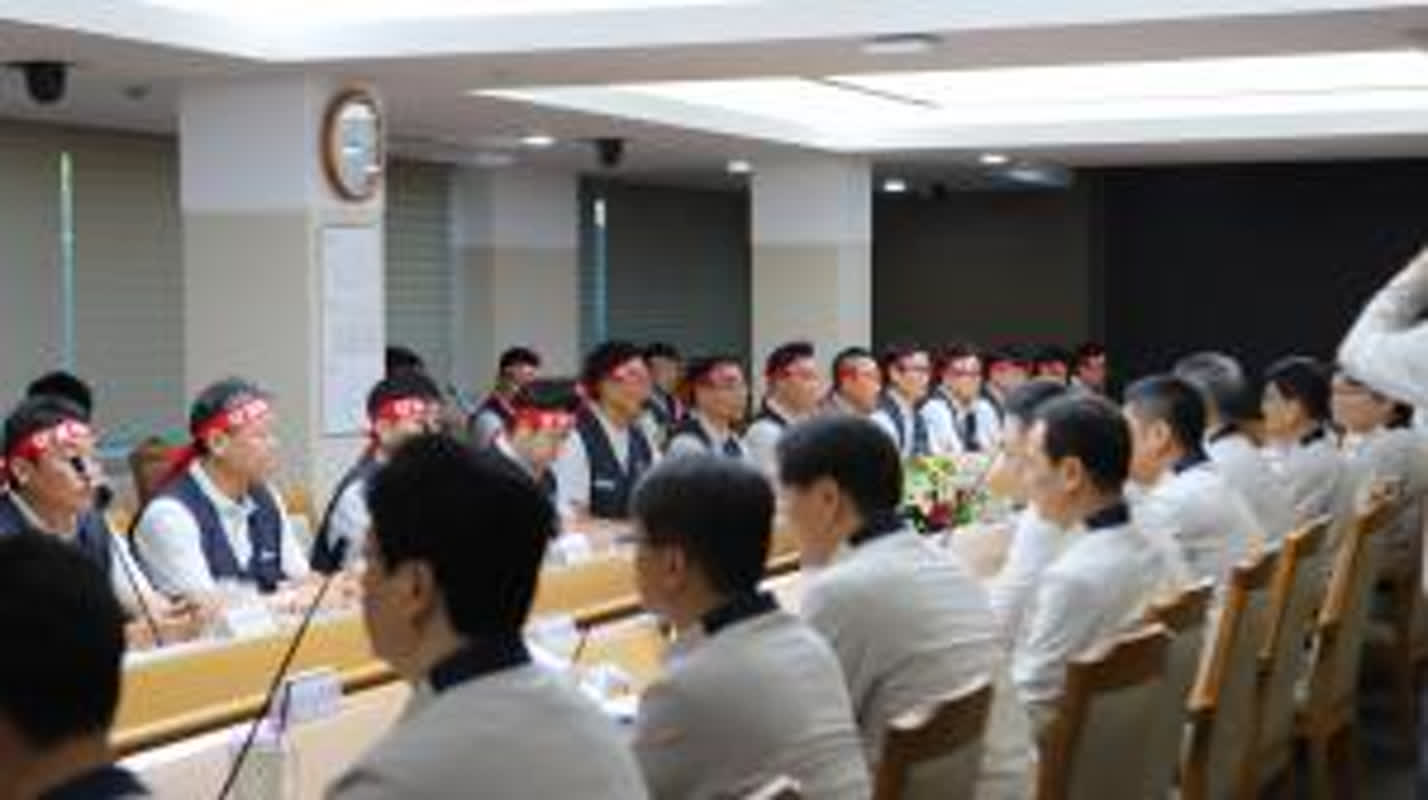
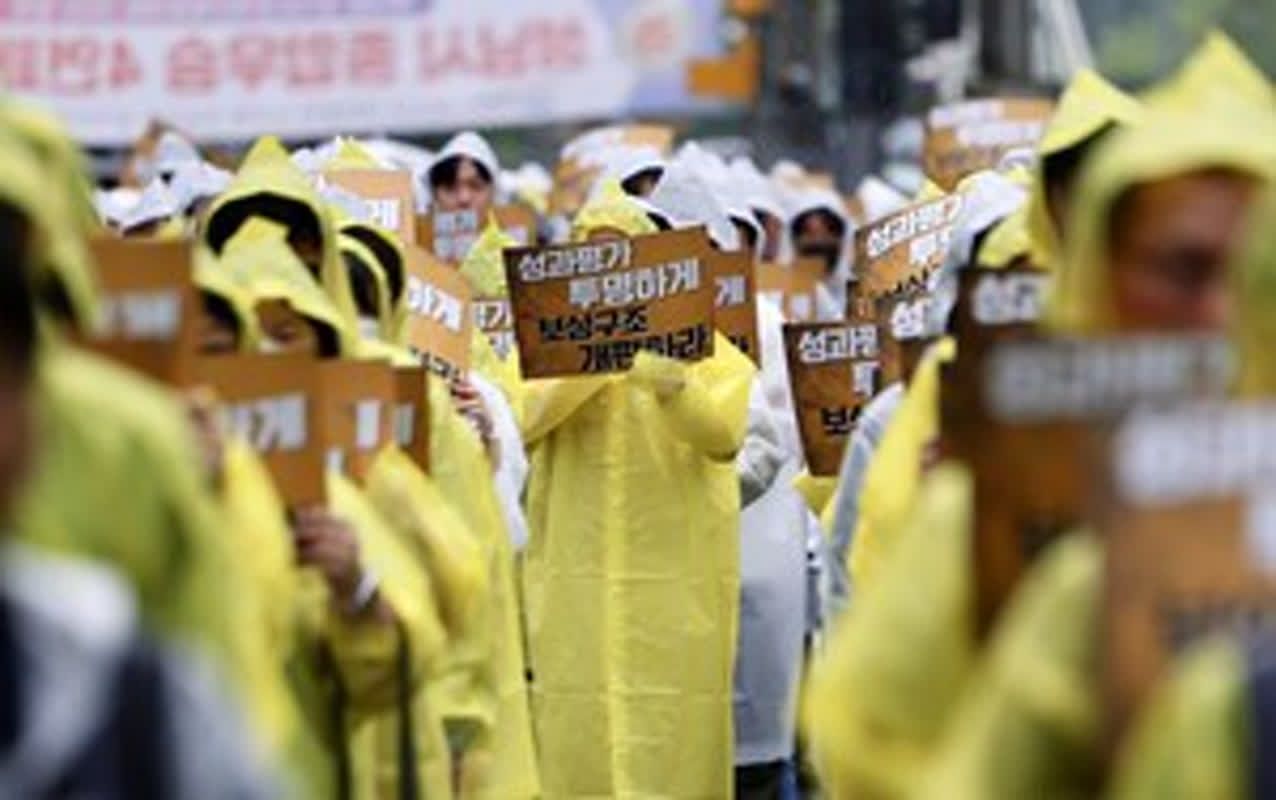
「Phone interview: Kim Kwang‑seok, Adjunct Professor, Hanyang University」 With a general strike scheduled to begin on the 21st, labor and management at Samsung Electronics remain sharply divided, but both sides are attempting last‑minute talks. After a public statement from the company’s chairman and government mediation efforts, the parties agreed to reopen their dialogue channel. Can they find common ground? We discuss the situation with Kim Kwang‑seok, adjunct professor at Hanyang University. 「Question 1」 Samsung Electronics Chairman Lee Jae‑yong recently apologized for the labor dispute, saying, “I sincerely apologize for the anxiety and loss of trust caused by internal company matters.” How do you read that message as the union’s planned general strike approaches? 「Question 2」 The government has also stepped in to mediate. After meeting with the union yesterday, Minister Kim met Samsung executives and urged them to take an active role in resolving the strike issue. How do you assess the approach he likely used to persuade management? 「Question 3」 Labor and management agreed to replace the company’s chief bargaining representative at the union’s request and to resume additional talks. Should this concession be seen as management acquiescing to the union, or as a tactical move to de‑escalate tensions and reopen negotiations? 「Question 4」 The union says it will meet with the newly appointed company representative and plans to resume bargaining at the Central Labor Relations Commission next Monday. The union is pressing for fixed bonus payments and the institutional elimination of the cap; management wants to preserve a performance‑based bonus system while introducing uncapped special awards as a flexible alternative. These are the central sticking points—do you see a realistic path to compromise this time? 「Question 5」 The Blue House has said it “hopes a strike does not occur.” Earlier, the industry minister even raised the possibility of invoking emergency adjustment powers that could forcibly halt a strike. If emergency adjustment is invoked, how would that change the dynamics of labor negotiations? 「Question 6」 Emergency adjustment has been used only four times to date, and the most recent case was more than 20 years ago. As a near‑last resort, it imposes significant political costs on the government. How likely do you think an actual invocation is? Yonhap News TV inquiries and tips: KakaoTalk/LINE jebo23, Kim Min‑hye (makereal@yna.co.kr)










Most Commented