
Translation result
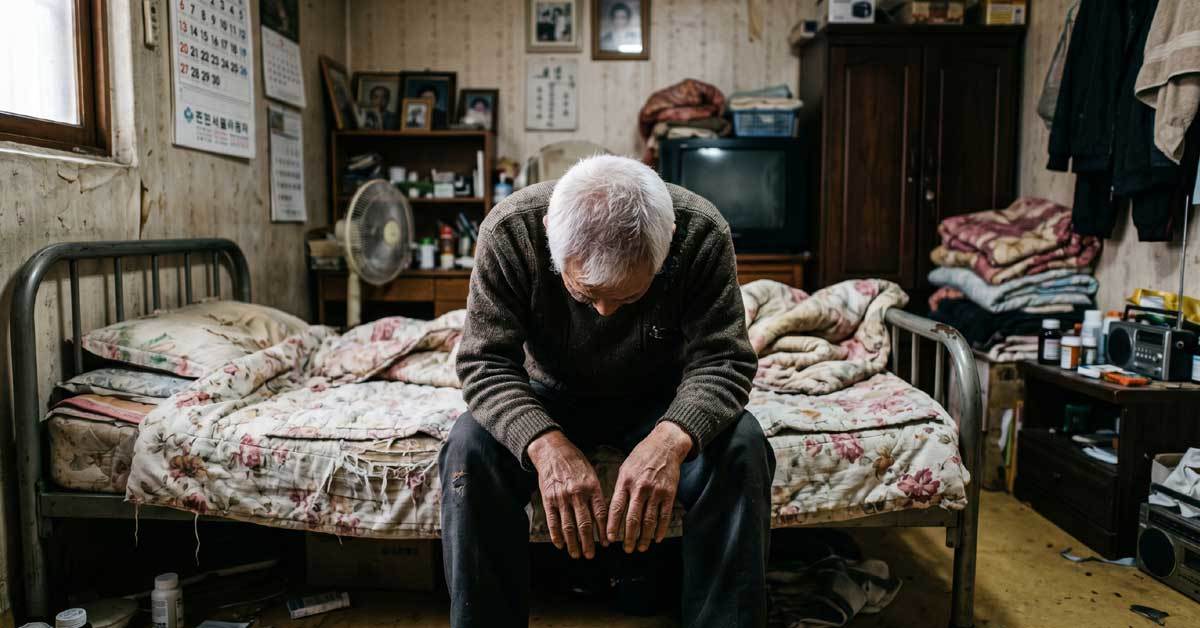
South Korea’s Ministry of Health and Welfare reported in November 2025 that its 2024 survey on solitary deaths found 3,924 people died alone in 2024 — a 7.2% increase from the year before.
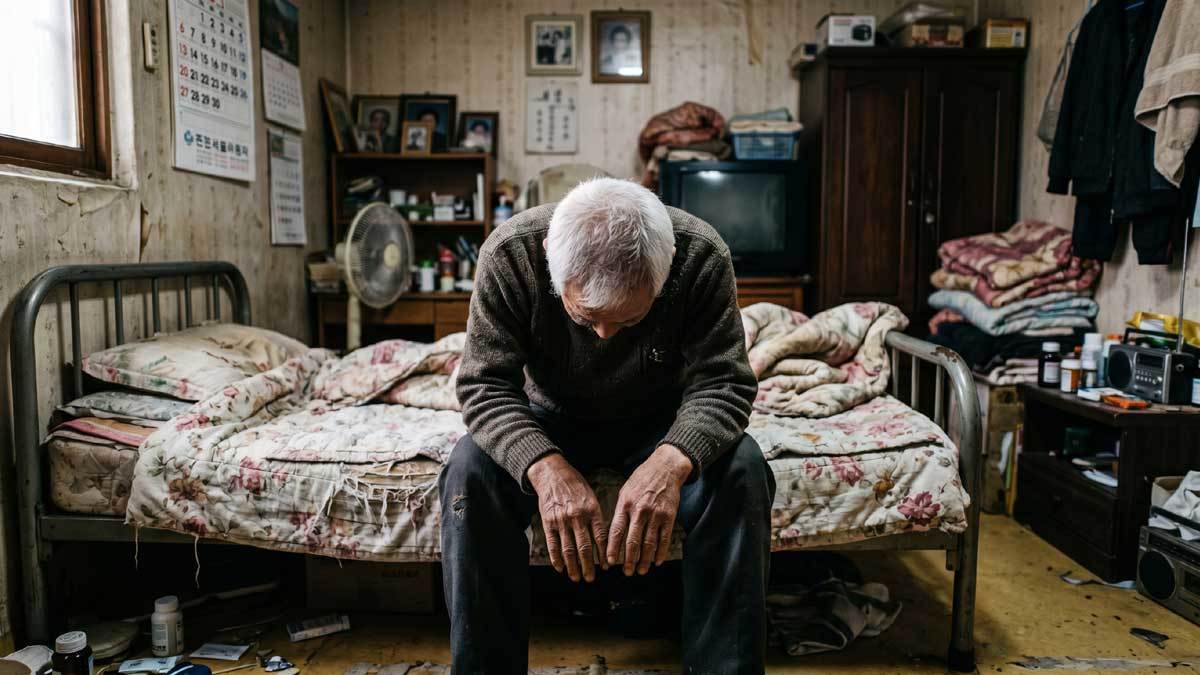
Statistics Korea’s 2025 Elderly Statistics show that in 2024, 23.7% of people aged 65 and over lived alone, up from 16.2% in 2000 — meaning roughly one in four seniors now lives by themselves. As family ties weaken and neighbors drift apart, older adults often have nowhere to turn when they fall ill, run out of money, or feel isolated. Here are three quiet but troubling trends spreading among people in their 70s.
The Ministry’s 2023 Elderly Survey found that 16.1% of seniors living alone showed depressive symptoms — more than double the 7.8% rate for married senior households. Only 34.2% of those living alone reported being in good health, compared with 48.6% in married senior households. In short, seniors who live alone are more likely to be in poor physical health and to struggle emotionally.
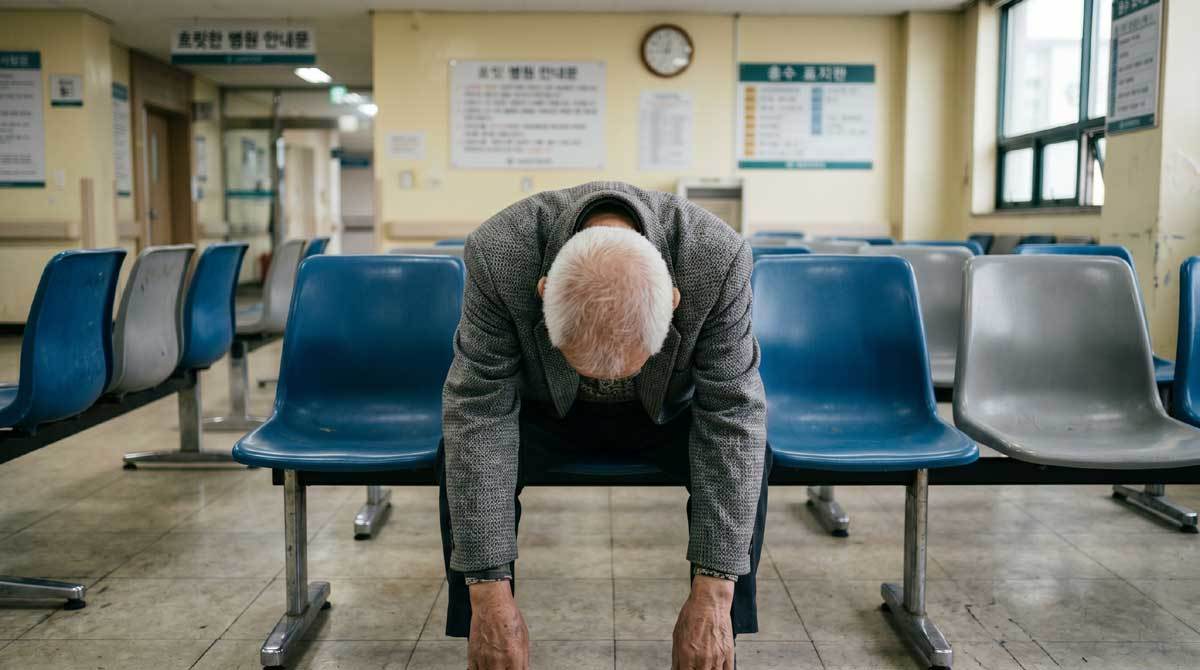
The greater concern is that many do not reveal their condition. Afraid of worrying their children or accepting pain as an inevitable part of aging, they delay seeing a doctor and conceal symptoms. In the ministry’s 2023 survey, 73.9% of seniors living alone reported difficulties in daily life, yet few share those struggles. Silence allows problems to worsen. Ultimately, the most dangerous factor is not the symptoms themselves but the refusal to speak up.
Statistics Korea’s 2025 Elderly Statistics put the relative poverty rate for people 66 and older at 39.8%, meaning about four in ten seniors live on less than half the median income. Still, few confess this to others. Pride formed from a lifetime of providing for a family and the desire not to burden their children keep many silent.
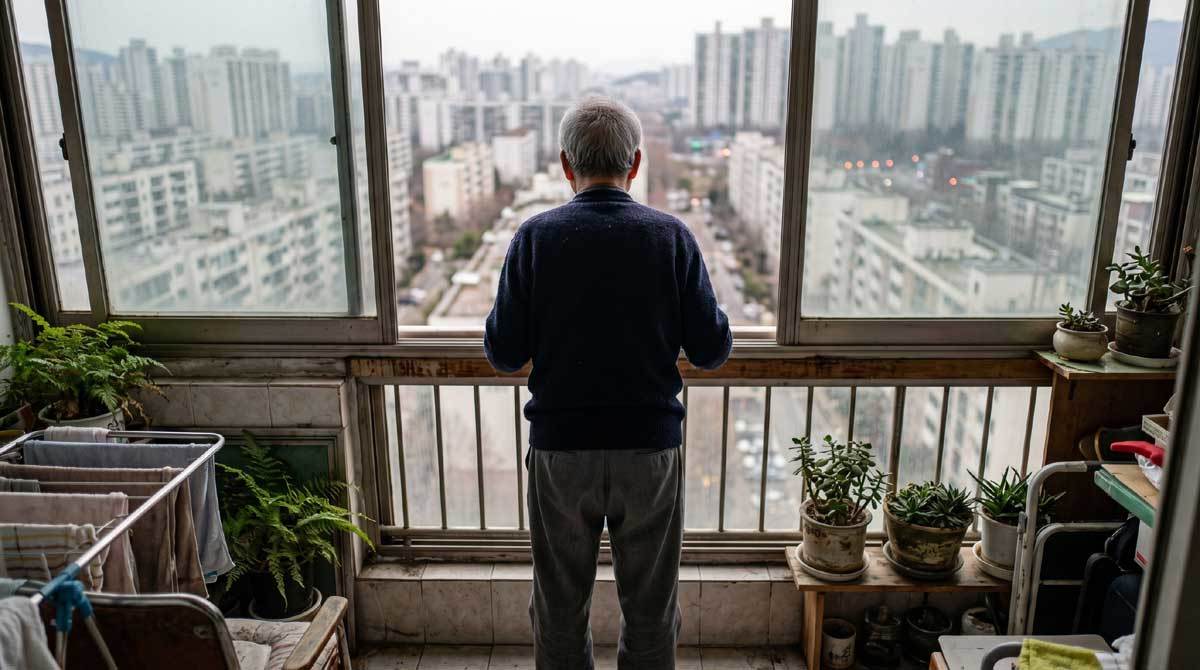
The ministry’s 2023 survey found that 73.9% of seniors living alone reported life difficulties, compared with 48.1% of married senior households. Three in four seniors living alone feel financial strain but largely shoulder it alone. As budgets tighten, they go out less and stop socializing — deepening both economic hardship and social isolation together.
The ministry’s 2025 report shows that among the 3,924 solitary-death victims in 2024, fewer were discovered by family or friends each year while a growing share were found by landlords or welfare workers. That suggests many had no family able to reach them in their final moments. The ministry’s 2023 survey found 9.2% of all seniors had no child they could contact, and the share keeping in touch with their children fell from 67.8% in 2020 to 64.9% in 2023.
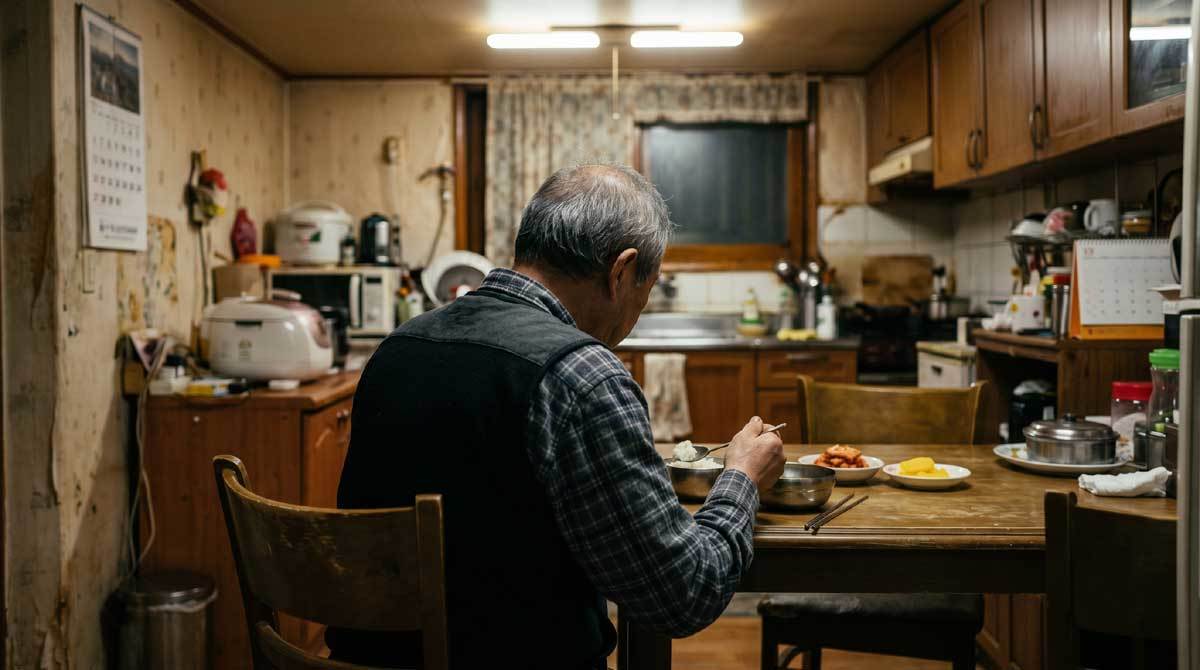
People rarely say they are lonely. Many feel ashamed to admit loneliness as they age. They tell themselves they are fine, but unspoken feelings accumulate. Statistics Korea’s 2025 Elderly Statistics show people 65 and older now engage in fewer face-to-face social activities and more non-face-to-face interactions. Relationships without regular in-person contact make isolation easier to hide. The saddest trend among people in their 70s is simple: they bear being alone by themselves.
They won’t say they’re sick, they won’t say they don’t have money, and they won’t say they’re lonely. An increasing number of seniors cannot bring themselves to voice these three realities. The longer they endure in silence, the deeper their isolation grows. The 3,924 counted in the solitary-death statistics did not suddenly become alone — they gradually lost their voice over time.












Most Commented