
Why One in Five Middle-Aged Adults in Seoul Are Choosing to Stay Single: Insights into the Rising Unmarried Population
Daniel Kim Views
Translation result
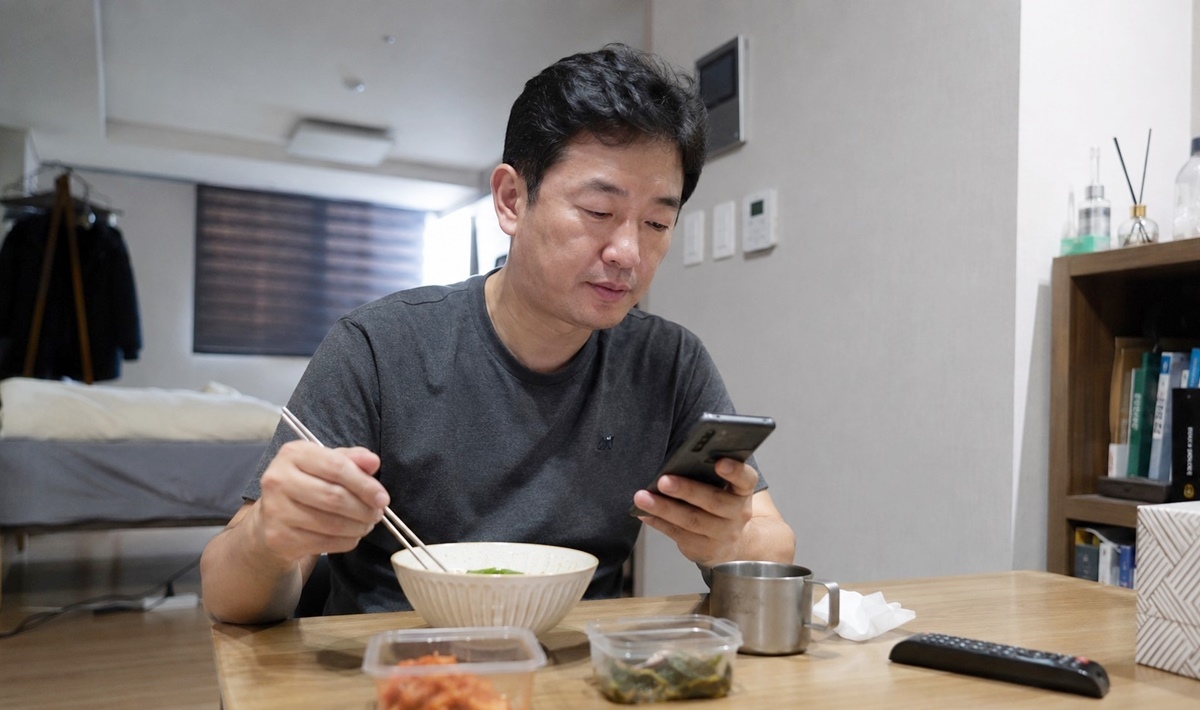
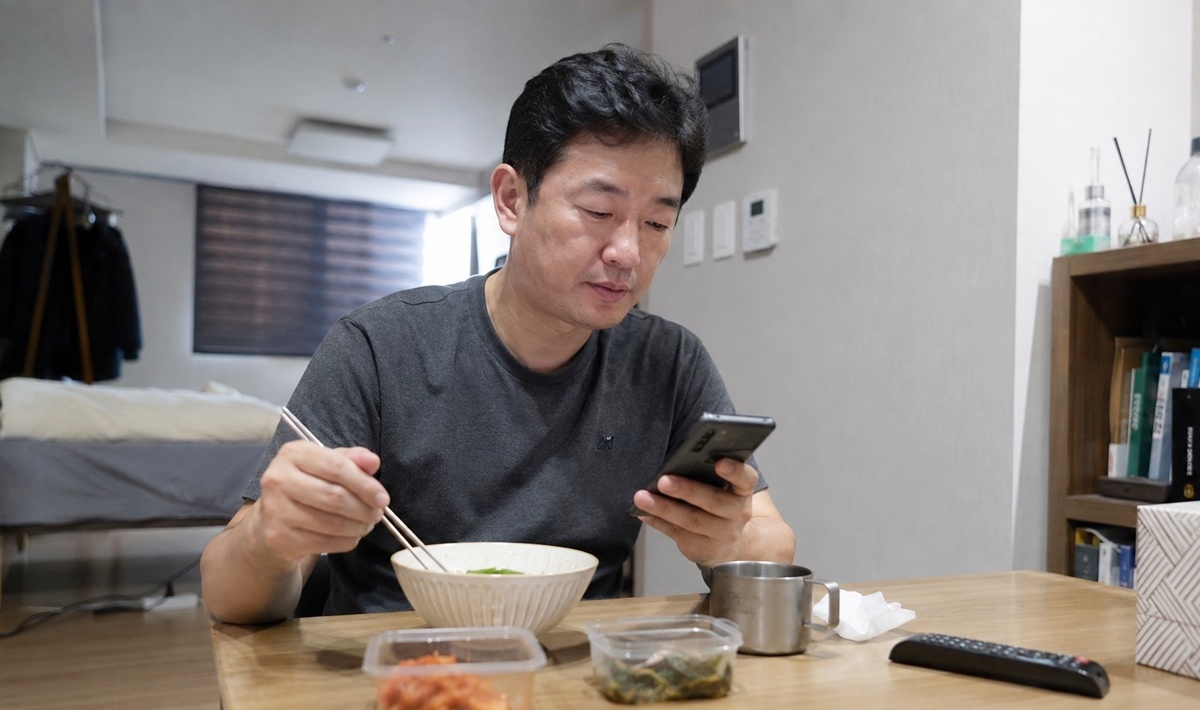
A survey found one in five Seoul residents in their 40s and 50s is unmarried.
Seoul City recently released a report titled The Lives of Unmarried Middle‑Aged Residents on the Seoul Open Data Plaza, based on analysis of the Seoul Survey and national data center records.
One in five Seoul residents ages 40–59 is unmarried
According to the report, as of 2024 Seoul’s population aged 40 to 59 stood at about 2,740,299, roughly 31% of the city’s total population of 8,968,153 (domestic residents only).
About 560,000 of them were unmarried, accounting for 20.5%. The unmarried share rose from 18.3% in 2022 to 19.4% in 2023, continuing an upward trend. The rate was higher among middle‑aged men — 24.1% versus 16.9% for women.
The proportion of single‑person households among unmarried middle‑aged residents climbed sharply from 61.3% in 2015 to 80.5% in 2025. Multi‑generation households living with parents or others fell from 33.5% to 17.7% over the same period.
Among unmarried middle‑aged residents living alone, managers and white‑collar workers accounted for 53.9% in 2015 and 66.9% in 2025. In multi‑generation households, managers and white‑collar workers increased from 64.4% to 71.4% over the same period, but that rise was smaller than the growth seen among single‑person households.
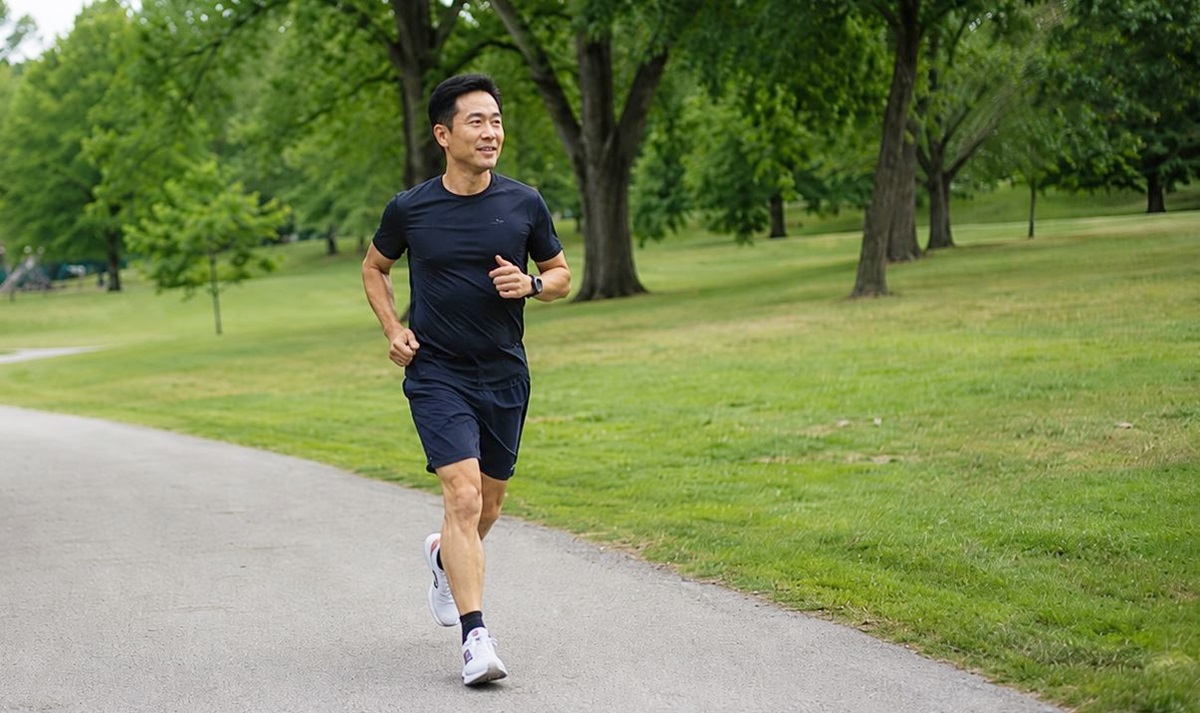
Seoul City interprets the change as evidence that people with occupational stability and financial means tend to choose independent living.
Seoul finds groups with job stability and financial resources choose independent living
Unmarried, middle‑aged people living alone scored 3.4 out of 10 on a sense of community belonging, lower than married‑couple households, which scored 4.3, suggesting weaker social networks among the former. Unmarried men in their 40s living alone scored the lowest at 3.0. Participation in organized activities was also lower among unmarried single households (76.2%) than among married households with children (83.3%).
Seoul City said it will explore support measures for unmarried middle‑aged households based on the analysis and expand tailored policies to address a demographic shift in which living alone and non‑marriage become more common. The city already runs programs such as the Seoul Mind Convenience Store, Goodbye Loneliness 120, and the 365‑day Seoul Challenge to combat loneliness and social isolation.
Regarding this, Kang Ok‑hyun, director of Seoul’s Digital City Bureau, told Yonhap News, \”Unmarried middle‑aged residents are no longer an exception; they are becoming a new household norm in Seoul. We increasingly need policy responses that address not only economic stability but also social relationships and emotional support.\”
The rising number of unmarried middle‑aged residents
Experts say the increase reflects a weakening perception that marriage is an essential life stage and a stronger emphasis on individual choice and autonomy.
Economic pressures also play a significant role. With housing and living costs rising, many people feel they cannot afford marriage, childrearing, or supporting a family. Delaying marriage until securing steady employment and income often leads to remaining unmarried into middle age. Increased female labor force participation and higher education levels have expanded opportunities for independent living without marriage. More tolerant social attitudes toward divorce and non‑marriage have also reduced stigma.
Experts say the rise in unmarried middle‑aged residents should be seen as a broader social trend shaped by changing values, economic realities, and diversified family forms — not merely individual choices to remain single.













Most Commented