
Sokcho’s Innovative One-Stop Care Service: A Model for Community-Based Welfare in Asia
Daniel Kim Views
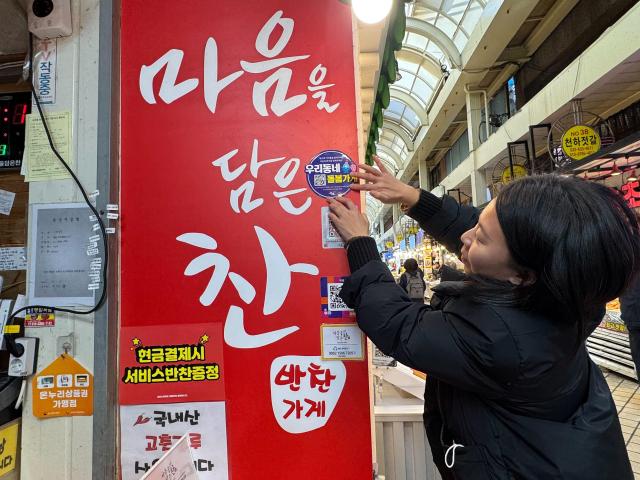
Sokcho City in Gangwon Province is stepping up a neighborhood-centered welfare initiative that enlists residents and local businesses to close gaps in social support. The city plans to expand its “Our Neighborhood Care Store One-Stop Service,” which detects households in crisis early and connects them quickly to assistance, and to launch a “Reward Program for Reporting Households in Crisis” to strengthen community-based safety nets.
The policy shifts the focus beyond an administration-led welfare delivery model. It creates a system in which residents can identify struggling households in everyday settings and nearby shops can provide immediate help. The one-stop service is notable as a practical welfare model that integrates case identification, counseling, service referrals, and emergency support into a single coordinated process.
Designated care stores in neighborhoods do more than file reports: they are authorized to prioritize essential supplies when emergencies occur. The city applies a “provide first, reimburse later” approach to minimize delays from administrative processing. Support is capped at up to 30,000 KRW (approximately $22.50) per incident and may be provided up to five times per year per household, ensuring meaningful immediate assistance.
Sokcho will also operate a “Reward Program for Reporting Households in Crisis” to broaden civic participation. If a resident reports a household facing hardship due to job loss, illness, or an accident—and that household is later approved for basic livelihood support—the reporter will receive a Sokcho Love gift voucher worth 50,000 KRW (approximately $37.50) for each verified case. The program aims to encourage active public involvement in uncovering welfare blind spots.
The city intends to link the two initiatives so that identifying and reporting a household in need leads directly to prompt support, creating a true one-stop welfare system. Sokcho’s strategy relies on civic vigilance and local retailers to accelerate detection and assistance for households in crisis, helping to address the limitations of the existing welfare network.
Currently, 239 care stores operate across Sokcho, serving as local hubs for identifying and assisting households in crisis. To expand participation, the city offers incentives such as certification stickers and promotional support, and it continues outreach efforts to raise public awareness of the program.
Officials say the policy marks meaningful progress toward “community-based welfare,” in which all members of the community take an active role. Leveraging neighborhood shops as everyday touchpoints makes it easier to spot households in distress and speeds initial responses, increasing the program’s effectiveness.
A Sokcho city official said, “‘Our Neighborhood Care Store One-Stop Service’ is a hands-on welfare model built by residents and local shops. By linking the reward program, we will ensure a continuous safety net from discovery to support.” The official added, “Every resident’s attention and participation are crucial to protecting neighbors in need, and we ask for active involvement.”
The city plans to continue expanding care-store participation and encouraging reporting so that the cycle of detecting and supporting households in crisis becomes established and the community-based welfare system grows stronger.
Meanwhile, Sokcho will maintain active promotion of the “Our Neighborhood Care Store” program and of reporting channels to broaden citizen-led welfare policies.












Most Commented