
Samsung Electronics Union Faces Mass Exodus: What This Means for the Future of DX and DS Divisions
Daniel Kim Views
Translation result

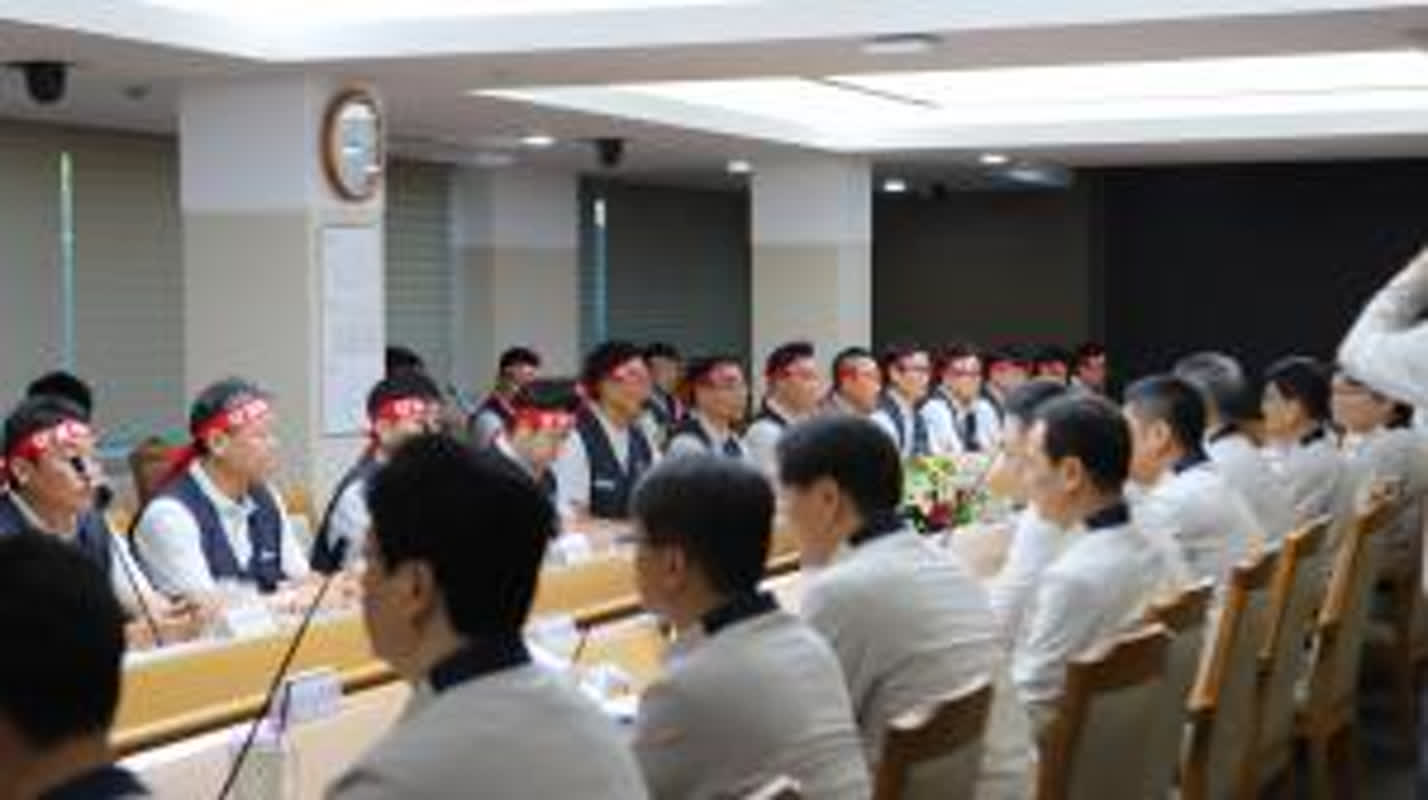
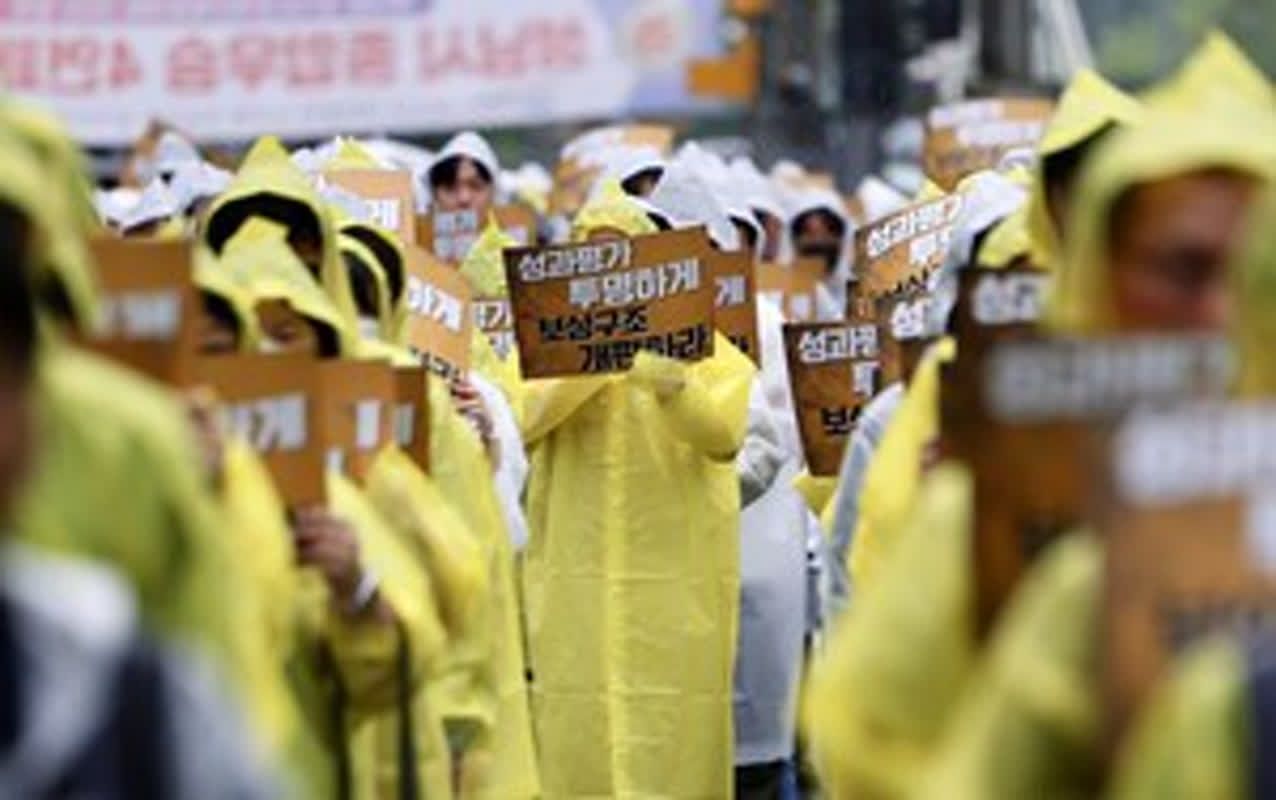
[Digital Today reporter Seok Dae-geon] The cross-company Samsung Electronics union — the company’s largest — has seen a sharp rise in membership resignations. The union, which has threatened a general strike, concentrated its demands on performance bonuses for the semiconductor division (DS), which has exposed growing frustration among members in the finished-products division (DX). According to industry sources, daily withdrawal requests that had been below 100 rose past 500 on the 28th of last month and topped 1,000 on the 29th.
The immediate trigger for the surge in resignations was the union’s decision to pay stipends to strike staff. The cross-company union announced it would provide up to 3 million KRW (approximately $2,250) to staff who participate in strike activities for more than 15 days. Members have pushed back, tying this policy to the union’s January decision to raise monthly dues fivefold, from 10,000 KRW (approximately $7.50) to 50,000 KRW (approximately $37.50).
At the core of the dispute is the stark performance gap between the DS and DX divisions. Samsung Electronics reported a record consolidated operating profit of 57.2 trillion KRW (approximately $42.9 billion) in the first quarter. The DS division alone contributed 53.7 trillion KRW (approximately $40.3 billion), roughly 50 times the year-earlier figure of 1.1 trillion KRW (approximately $825 million). That jump reflects stronger sales of high-value AI data-center products such as high-bandwidth memory (HBM) and rising prices for commodity memory. Analysts estimate DS’s operating margin at about 66%, with the memory unit approaching 75%.
By contrast, DX — which includes mobile (MX), TV (VD) and home appliances (DA) — reported first-quarter operating profit of 3 trillion KRW (approximately $2.25 billion), down 36% year-on-year and yielding a margin of roughly 6%. Higher semiconductor and component costs, U.S. tariff burdens and weak demand have led some analysts to warn that DX could record its first full-year loss. Samsung has begun restructuring, including closing low-margin appliance lines, shifting production to contractors and launching a review of its Korea leadership.
◆ President Lee Jae-myung’s warning, union: “That’s not about us”
The dispute over the potential Samsung strike shows signs of spreading beyond the company. At a chiefs’ meeting on the 30th of last month, President Lee warned that “if some organized workers attract public criticism for excessive demands, they can harm other workers.” Cross-company union chief Choi Seung-ho dismissed that in a member forum, saying, “He’s talking about LG Uplus.” He argued their 15% performance-pay demand is reasonable compared with LG Uplus’s 30% demand on operating profit. The country’s second-largest union, the National Samsung Electronics Union, also cautioned that calling demands excessive without sufficient understanding could widen the conflict.
Public pressure on the union has intensified. In a Realmeter poll, 69% of respondents described the Samsung strike as “inappropriate.” The union sent an official protest after Trade Minister Kim Jung-gwan said he “couldn’t even imagine a strike.” Given that roughly 20% of the union’s some 74,000 members come from the DX division, most observers still believe the union has the capacity to press ahead with strike action.












Most Commented