
Discover the Resilient Korean Diaspora: Gwangju’s Community Model Shines in Global Spotlight
Daniel Kim Views
Translation result
The CEN News / Reporter Lee Ju-sang | Gwangju’s Koryoin Village, which preserves more than 160 years of diaspora history, has drawn global media attention and is emerging as a model for international communities.
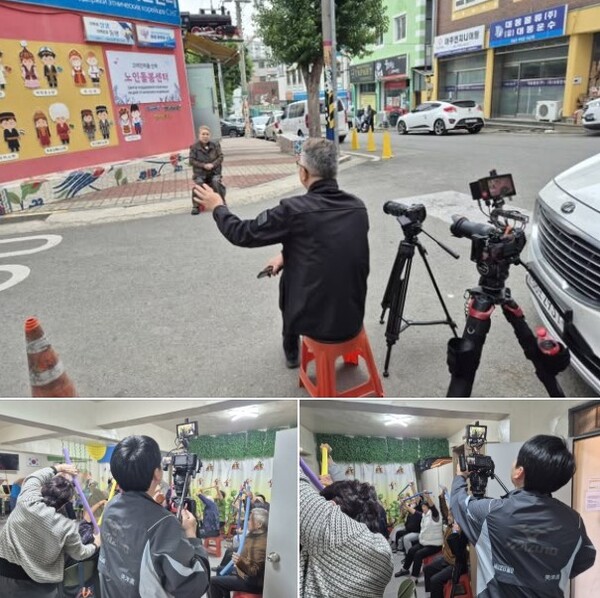
On May 2, Koryoin Village said Singapore’s state broadcaster Channel NewsAsia (CNA) recently visited the community and published an in-depth report on residents’ lives, their resettlement process, and how the village is organized and run.
The report traced the long arc of the Koryoin diaspora: 19th-century migration to the Russian Far East, independence efforts under Japanese colonial rule, the 1937 forced deportations to Central Asia, the collapse of the Soviet Union, and the eventual return of some Koryoin to South Korea.
CNA highlighted the community’s resilience and sense of solidarity, showing how Koryoin people preserved social ties and institutions despite harsh conditions.
Since emerging in the early 2000s, Gwangju’s Koryoin Village has become South Korea’s largest repatriated Koryoin community. It has developed an integrated village model that combines historical preservation, cultural programming, and social-welfare services.
CNA pointed to community-based welfare initiatives as central examples, including the Koryoin Cultural Center, the senior care center’s free meal program “Table of Love,” and dementia-prevention exercise classes.
The report also noted that the Koryoin Gwangju Clinic provides free medical services and that the village radio, Koryo Broadcasting (FM 93.5MHz), functions as a hub for information sharing and community communication.
CNA featured works by Koryoin artist Moon Viktor as an artistic reckoning with forced migration and the memory of diaspora. It also described the village’s specialty street, the Central Asia–themed street, and Hong Beom-do Park as spaces where history and tourism intersect.
CNA said, “Gwangju’s Koryoin Village is a case of a community turning past pain into a future built by collective strength,” adding that the village offers insights for immigration policy and social integration strategies.
A Koryoin Village official said, “This place preserves the Koryoin diaspora’s history and identity. We will continue to engage with the world and develop as a global community that integrates history, culture, and tourism.”
Meanwhile, Gwangju’s Koryoin Village continues to draw steady interest from domestic and international researchers and media for its multifaceted community model built on a range of institutions and programs.
(The CEN News) Honam Bureau reporter Lee Ju-sang, eaglefood@naver.com














Most Commented