
How Naju’s 100-Won Youth Bus Policy Boosts Public Transport Use by 47% in Just One Year
Daniel Kim Views
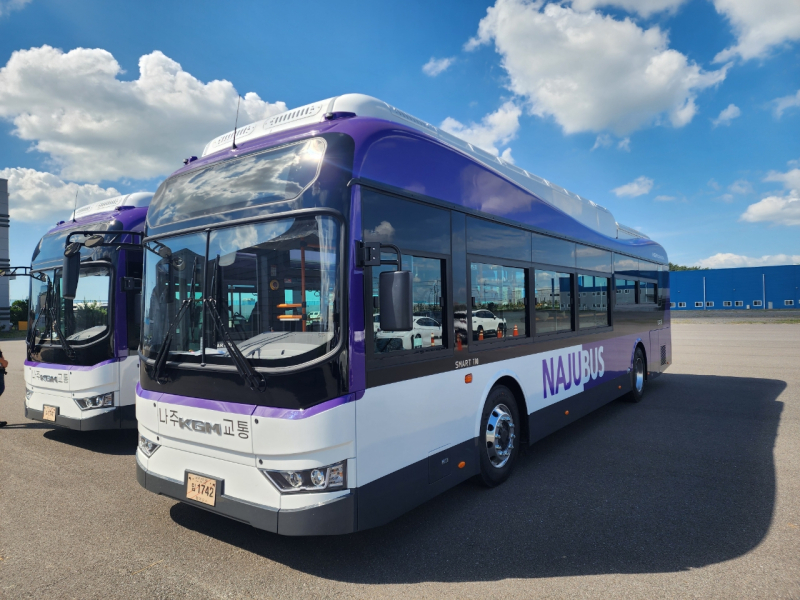
Naju City in South Jeolla Province launched a “Youth 100 KRW” bus fare policy, and one year later it has emerged as a notable example of transit-focused social welfare, with increased ridership and high user satisfaction.
On the 29th, the city said an analysis of transit-card data since the policy took effect in March 2025 shows ridership among children and adolescents rose 47% year over year as of March 2026. In a satisfaction survey, 97% of respondents rated the program positively.
Notably, the rise in usage extended beyond school commutes to include trips to private tutoring centers, cultural venues and leisure activities. City officials say this reflects improved mobility and an overall increase in demand for public transit.
The policy reduced city bus fares to 100 KRW (approximately $0.075) per ride, aiming both to ease households’ cost burdens and to expand use. Officials say operating the system on transit cards allowed them to incorporate collected data into policymaking and improve administrative efficiency.
The city plans to adjust bus schedules and other services to address peak-period demand and intends to continue expanding data-driven, customized transit policies going forward.













Most Commented