
Is the ‘대한박물관’ Misleading? Uncovering the Controversy Over Chinese Artifacts in Seoul
Daniel Kim Views
Translation result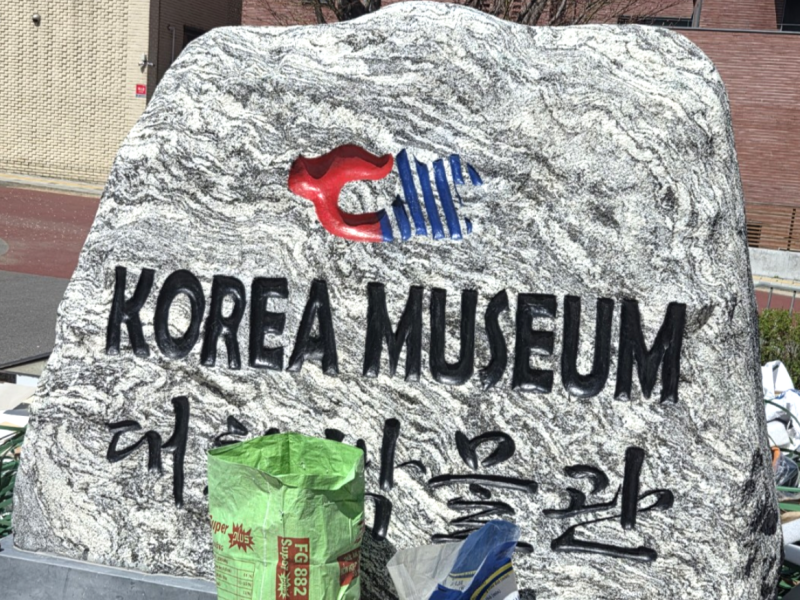 [Herald Economy reporter Chae Sang-woo] The Daehan Museum, slated to open in the Hanok Village of Jingwan-dong in Seoul’s Eunpyeong District, has come under scrutiny after reports that much of its collection consists of Chinese historical artifacts. Eunpyeong District said it will address the issue following a thorough inspection.
On the 22nd, the district said inspectors confirmed on the 17th that the facility was operating as an unregistered private museum.
The district said it found a potential discrepancy between the building’s registered use (Category-2 neighborhood living facility) and the uses permitted under the district’s master plan, and that it will conduct an on-site inspection as soon as the facility opens in early May.
Responding to criticism that the site uses the name “Daehan Museum” while primarily exhibiting Chinese historical artifacts — a practice that could cause cultural confusion — the district said it is considering referring the case to the Fair Trade Commission for possible violations of the Act on Fair Labeling and Advertising after verifying the facts.
Eunpyeong District also said it will impose corrective measures, alleging the Daehan Museum violated the Building Act. Under that law, museums are classified as “cultural and assembly facilities,” but the Daehan Museum is registered as a Category-2 neighborhood living facility, which the district says does not permit exhibition activities.
Seoul City has reportedly asked the Daehan Museum to submit its stated purpose for establishing the institution.
The facility’s information panel lists artifacts in the sequence of Chinese history — from the Neolithic through the Spring and Autumn and Warring States periods, followed by the Qin, Han, Tang, Song, Ming and Qing dynasties. It also notes that Korean, Japanese and other international works will be displayed “in part.” Some observers say lumping Korean artifacts into a catch‑all “world art” category is questionable.
Critics further warn that, because the museum is located in a Hanok Village popular with foreign tourists, its presentation risks leading visitors to mistake South Korea for a peripheral or subordinate region of China.












Most Commented