
How AI Education Can Revolutionize the Job Market in 2026: Insights from Korea’s Strategy Committee
Daniel Kim Views
Translation result.
Mid- to Long-Term Strategy Committee Discusses Education for the AI Era
Calls to Weigh Labor Market Effects Alongside Industry Development
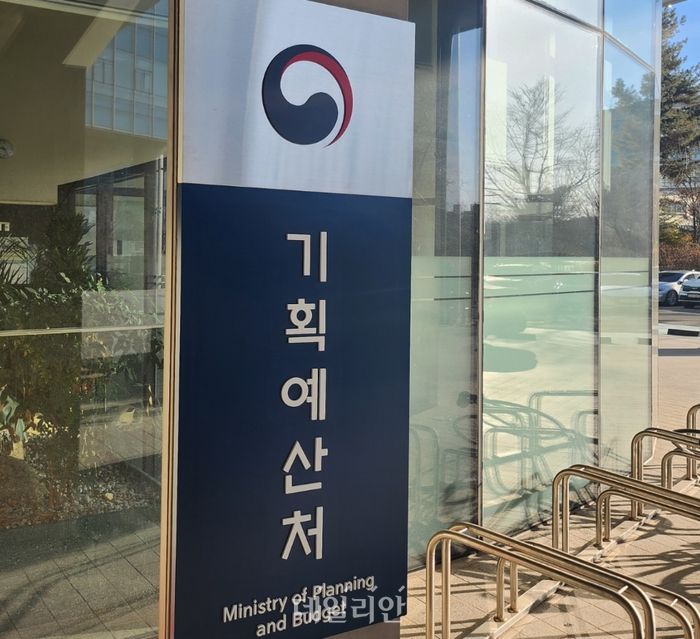
The Ministry of Planning and Budget and the Mid‑ to Long‑Term Strategy Committee convened to discuss education, regulatory revisions and institutional reforms needed for the AI era. Participants stressed that efforts to nurture the industry must be paired with careful consideration of labor market impacts and rules governing data use.
On April 17, the Ministry and the 7th Mid‑ to Long‑Term Strategy Committee held the 4th Governance Reform Subcommittee meeting to review talent development and institutional improvements required by the AI transition.
The meeting focused on education systems and regulatory reforms to support AI industry growth. Discussions centered on policy directions to foster the sector while addressing shifts in employment structures.
Chair Kwon Oh‑hyun said policymakers must promote industry amid the AI transformation while preventing growth that does not create jobs.
He also urged universities to expand AI competency training for incumbent workers and for those seeking re‑employment after retirement.
Speakers called for institutional improvements related to data use.
Cha Kyung‑jin, a professor of business administration at Hanyang University, said data accessibility is central to the AI industry. He urged clear, detailed guidelines that allow companies to broaden legitimate data use while safeguarding personal information.
Several participants emphasized the need for a balanced approach when designing both industry support and institutional frameworks.
Moon Byung‑gul, a professor of public administration at Yonsei University, said policy should reflect corporate needs but also weigh nationwide benefits and risks, including effects on vulnerable firms and the labor market.
They also stressed the importance of ensuring practical effectiveness when rolling out new systems.
Moon So‑young, a former editorial writer at Seoul Shinmun, argued that officials should anticipate likely side effects before implementation and design the minimum operational mechanisms needed for policies to work in the field.
From the corporate perspective, experts called for greater labor flexibility.
Ko Seong‑gyu, an adviser to Hyundai Motor Group, said companies must improve labor flexibility across management practices to respond to the AI transition.
The Ministry and the committee said they will continue discussions on strategic priorities for responding to the AI era, building on the recommendations raised at the meeting.
© Dailian Co., Ltd. Unauthorized reproduction and redistribution prohibited.
- [Exclusive] AWS Supply‑Chain Head and Battery Chief Met with Samsung SDI; Cooperation Talks Draw Attention
- We Can’t Even Tell Who Was Infected… New Virus Spreads Rapidly
- Dow Replaces CEO — Karen Carter Appointed; Jim Pitterling Becomes Board Chair
- I Thought One Cup Would Be Fine — An Americano Produces an Unexpected Result
- People Power Party: President Lee, a Four‑Time Offender, Appears to View 50 million Citizens as Potential Criminals












Most Commented