
Energy Crisis: How Public Institutions in Asia Are Leading the Charge for Conservation
Daniel Kim Views
Energy crisis: public agencies must lead
Public sector mobilized: five-day driving restriction, lights-off and more
Aftershocks from the Middle East conflict prompt nationwide conservation appeal
[Asia Times=Reporter Lee Ha-young] Kang Hoon-sik, the presidential chief of staff, urged decisive belt‑tightening across the public sector to address an energy supply shortfall triggered by the conflict in the Middle East.

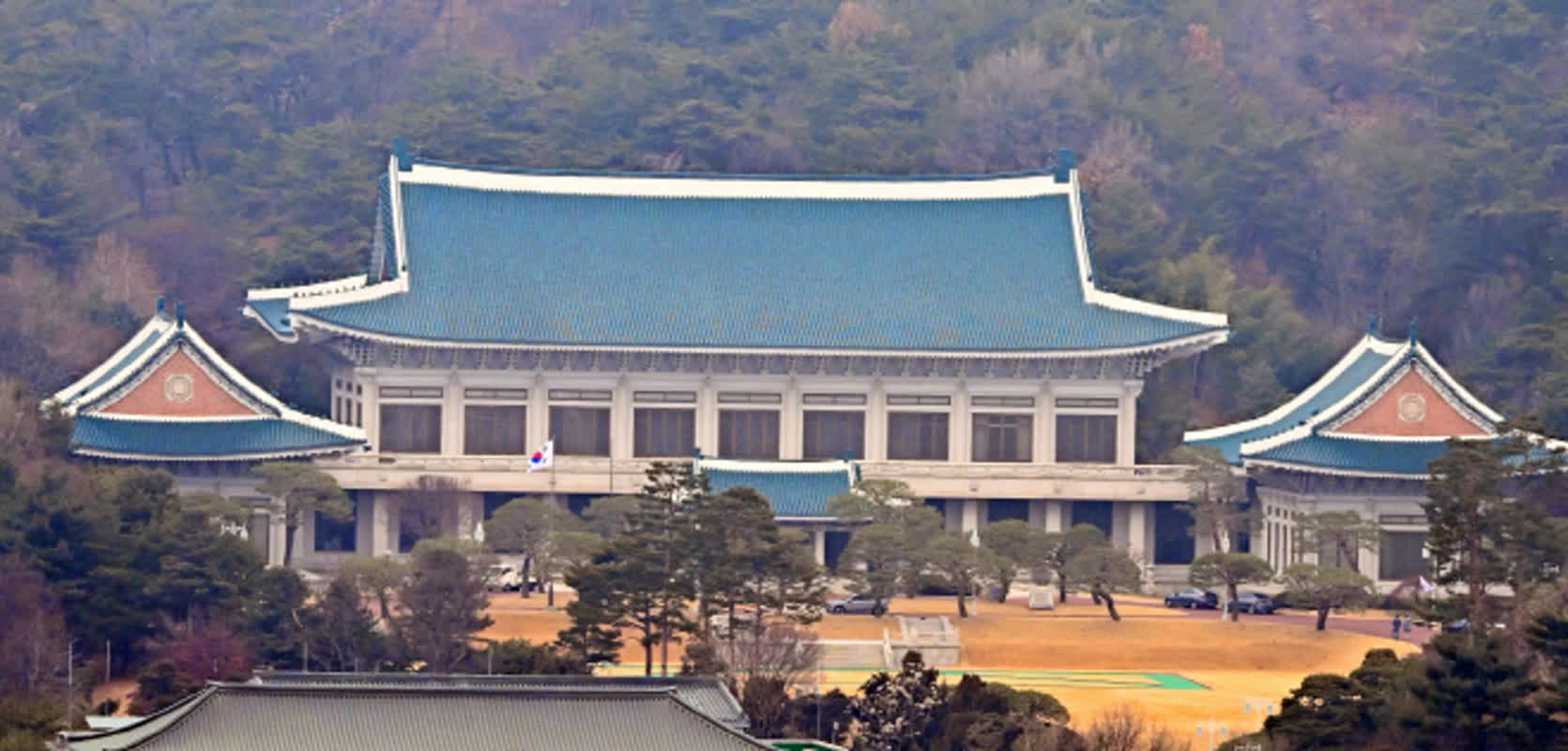
At a senior secretaries’ meeting he chaired at the Blue House on the 30th, Kang said the government and businesses are working flat-out to stabilize supply, but overcoming the crisis requires nationwide participation. He repeatedly called for concrete energy‑saving measures.
In a written briefing, Blue House deputy spokesperson Ahn Gui-ryeong said Kang ordered public agencies to immediately and fully implement every feasible conservation measure, starting with a five‑day driving restriction for private cars, enforced lights‑off policies, and stricter heating and cooling temperature standards.
The government had already urged public institutions to strengthen energy management once before. Since the 25th, authorities have sharply tightened the five‑day driving restriction rules for all local governments and public agencies nationwide. Where agencies previously had discretion or areas with populations under 300,000 were exempt, officials now apply the rule to every city and county without exception and have tightened oversight. They even extended the restriction to smaller vehicles and other categories that had been exempt, and increased enforcement: agency heads will discipline staff after four or more violations.

Kang also urged energy‑intensive industries to act proactively. He asked companies to improve manufacturing efficiency, stagger electricity demand, and consider voluntarily adjusting commute times. He appealed to citizens to take small everyday steps — unplug unused devices and use public transit more often.
The government is considering raising its energy‑alert level. If authorities elevate the energy resource security warning from “caution” to “alert,” they would make the five‑day driving restriction mandatory for the private sector as well. Officials have also issued the “12 National Actions to Save Energy” guidelines — recommending shorter showers and limiting daytime phone charging — and are running street campaigns around Seolleung Station to boost public participation.
Separately, Kang addressed other consumer‑facing issues on the 30th, including hygiene at unmanned stores. He warned that basic oversight remains inadequate, citing unmanned shops near schools that leave expired food on shelves. He urged relevant ministries and local governments to cooperate on focused hygiene inspections, saying, “There must be no laxity or exceptions when it comes to the food children eat,” and called for a permanent management system rather than one‑off crackdowns.











Most Commented