
Translation result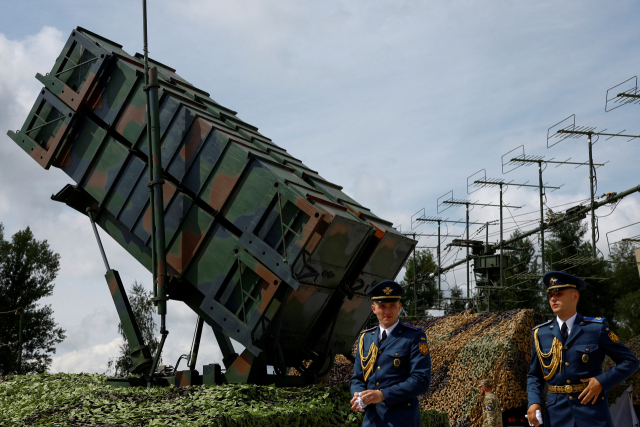
Ukraine’s leadership says it can regain the initiative on the front despite Russia’s large-scale air strikes. Kyiv has expanded long-range drone and precision-strike capabilities to pressure Russian forces and the defense and energy sectors, but internal strains—from corruption and population loss to economic exhaustion—are mounting.
On May 27 (local time), The Economist and Reuters reported that President Volodymyr Zelensky asked the United States for air-defense support—including Patriot interceptors—shortly after Russia’s latest large-scale strikes. He described Russia’s ballistic missiles as President Vladimir Putin’s last major battlefield advantage and said neutralizing that capability would increase pressure on Moscow to negotiate.
Andriy Biletsky, commander of the 3rd Corps defending a key Donetsk sector, told Reuters that the coming six months will be a turning point. If Ukrainian forces halt further Russian breakthroughs and seize the initiative on the front, he said, Kyiv will be in a stronger position in any future talks.
Ukrainian forces have used long-range drones to strike refineries and munitions factories inside Russia, including an attack on the Kremniy El plant, which produces microchips used in Russian ballistic missiles. Reuters estimates that refineries which have shut down or cut output after recent Ukrainian drone strikes account for about 83 million tonnes per year—roughly 25% of Russia’s refining capacity.
Alongside Ukraine’s improving warfighting capabilities, longer-term risks are becoming clearer. The country’s labor force has fallen from roughly 17 million before the war to about 12 million.
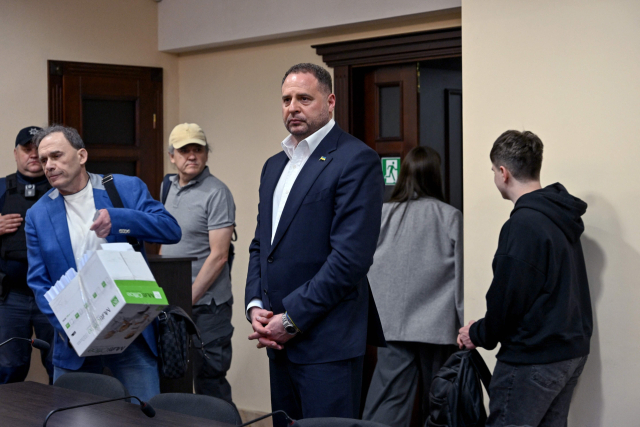
Corruption allegations tied to figures close to President Zelensky have also strained national unity. Former presidential chief of staff Andriy Yermak was detained on money-laundering charges linked to a housing development and released on bail. Ukraine’s prosecutors are also investigating alleged energy-sector kickbacks involving Zelensky’s former business partner Timur Mindich.
The Economist concluded that Ukraine is likely to endure the war but warned that wartime corruption, centralization of power and militarism are testing the resilience of its democracy.















Most Commented