
Translation result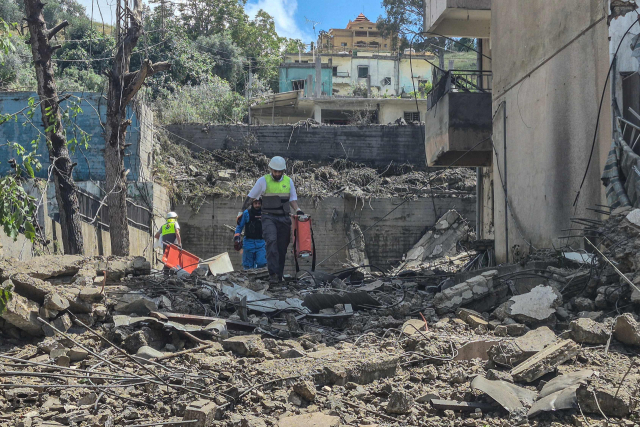
As the United States and Iran conduct talks aimed at ending hostilities, Israel has escalated its offensive against Hezbollah. Analysts say Prime Minister Benjamin Netanyahu’s political vulnerability ahead of early elections has empowered hard-right factions.
On the 25th (local time), Netanyahu ordered the Israel Defense Forces to intensify attacks on the Iran-backed Lebanese militia Hezbollah. The Times of Israel and other local outlets reported that in a video statement he said, “We are at war with Hezbollah,” adding, “In recent weeks our brave fighters have eliminated more than 600 terrorists.” He said he had instructed commanders “to press the accelerator pedal even harder.”
The Israeli military said it struck more than 70 Hezbollah positions in Lebanon. Lebanon’s Ministry of Public Health says Israeli strikes since March have killed nearly 3,200 people. Israel and Lebanon declared a cease-fire on the 18th of last month, but it has been largely nominal; clashes—both major and minor—have continued, with each side accusing the other of violating the truce.
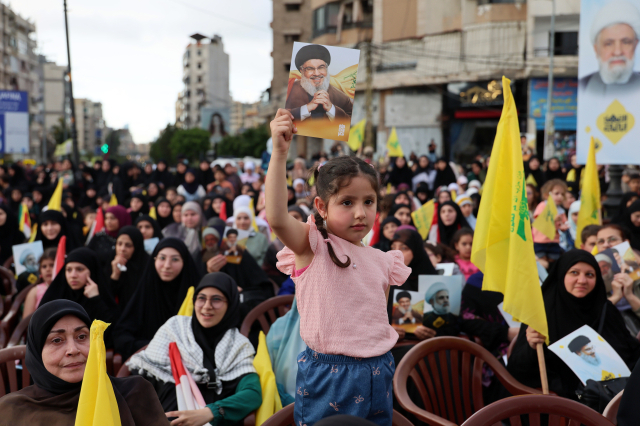
Against this backdrop, analysts argue that Netanyahu—politically exposed ahead of early elections—has limited options beyond military measures. His repeated assurances of an outright victory over Iran have failed to yield decisive results, while hard-right elements and a restive public demand a concrete response to Hezbollah’s attacks.
A cessation of hostilities between Israel and Hezbollah is reportedly included in a draft cease-fire framework the United States and Iran are discussing. Observers warn that Netanyahu’s continued hard-line posture could complicate those U.S.-Iran negotiations.












Most Commented