
Will Iran Give Up Its Nuclear Weapons? US Vice President’s Bold Ultimatum Explained
Daniel Kim Views
Translation result.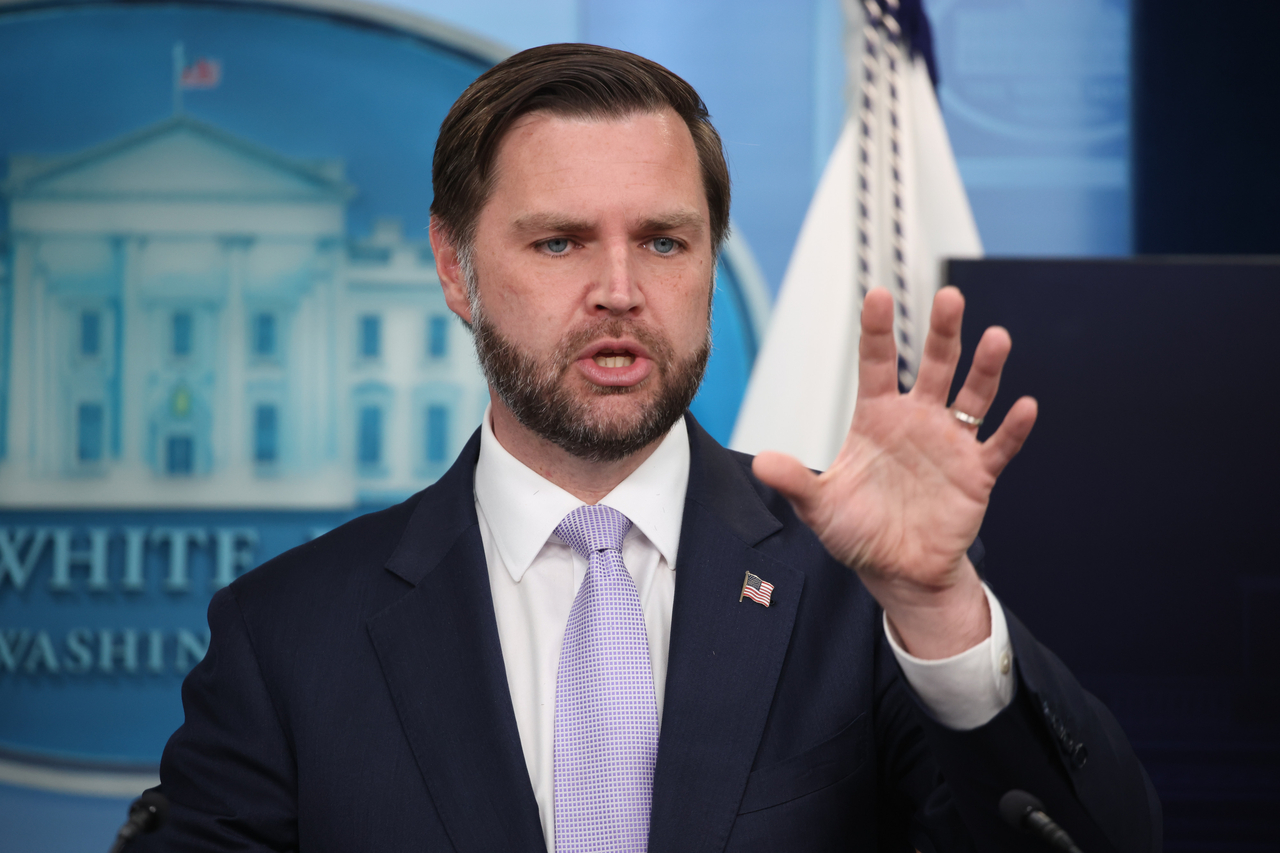 [Herald Economy — Reporter Jeong Mok-hee] U.S. Vice President J.D. Vance on May 19 urged Iran, which is negotiating an end to hostilities, to accept the U.S. demand to abandon nuclear weapons. He said the administration will continue diplomatic efforts but warned it is prepared to resume military operations if necessary.
At a White House briefing, Vance said, “We have two options regarding Iran.” He framed them as either Iran agreeing not to possess nuclear weapons or the United States resuming military operations. He argued that an Iranian nuclear capability would be the “first domino” in proliferation and could trigger a global arms race, including among Gulf states. “We want to minimize the number of countries that possess nuclear weapons, and that’s exactly why Iran cannot have them,” he said.
Vance said the president has directed the administration to engage actively with Iran. “We believe we’ve made significant progress, and we think Iran also wants a deal,” he said. Still, he cautioned that “while the situation looks fairly positive, Option B exists”—meaning the resumption of military action to achieve U.S. objectives. “We are ready to act immediately,” he said. “We don’t want that path, but if necessary, President Trump has the will and the capability to take it.”
On the U.S. negotiating red line, Vance said Iran must do more than promise not to possess nuclear weapons. “We want a commitment to cooperate with verification procedures that will prevent Iran from rebuilding its nuclear capability during President Trump’s term and for years afterward,” he said.
Vance said he could not confidently declare a deal until the parties actually sign an agreement, adding that whether Iran accepts U.S. demands is ultimately Iran’s decision. He drew a clear line on one proposal, saying that shipping Iran’s enriched uranium to Russia for storage is not currently a plan of the U.S. government.
Responding to reports that a planned deployment of 4,000 U.S. Army troops to Poland had been canceled, Vance described the change as not a force reduction but a routine rotation delay that can occur in such circumstances. He said those units could be moved elsewhere in Europe or deployed to other locations and that no final decisions on their disposition have been made.
He emphasized that Poland can defend itself with strong U.S. support and said the aim is not to withdraw all U.S. forces from Europe but to reallocate some resources in ways that maximize U.S. security. “This encourages Europe to take more of a lead,” he said, adding, “The United States cannot be the world’s police.”
Observers read Vance’s remarks as reaffirming the Trump administration’s position that European allies should strengthen their own defense capabilities and shoulder a greater share of the security burden.
On the question of why taxpayer money should go to participants in the January 6 riot in light of President Trump’s agreement to drop lawsuits against the government in exchange for creating a 2.6 trillion KRW (approximately 1.95 billion USD) judicial victims fund, Vance said the fund is intended for all Americans harmed by the judicial system, not for any particular political faction.
The briefing was held in place of White House spokesperson Caroline Levitt, who is on maternity leave. Earlier, Secretary of State Marco Rubio also filled in for Levitt at a briefing.
Vance joked that he told Caroline he would do the briefing on the condition that she serve as acting vice president for about two weeks when his spouse, Usha, gives birth in July.
During the Q&A, Vance strongly rejected a reporter’s allegation that President Trump inflates the prices of stocks he holds before selling them, calling the claim untrue and urging the reporter to show “at least some objectivity.”












Most Commented