
Hungary’s 2026 Election: Can Tisza Overtake Orban’s Fidesz Amidst Rising Discontent?
Daniel Kim Views
Translation result
EU, Russia and the U.S. watch closely
Pro-Russia stance and democracy debates at issue
Centrist-right opposition ‘Tisza’ surges…race shrouded in uncertainty
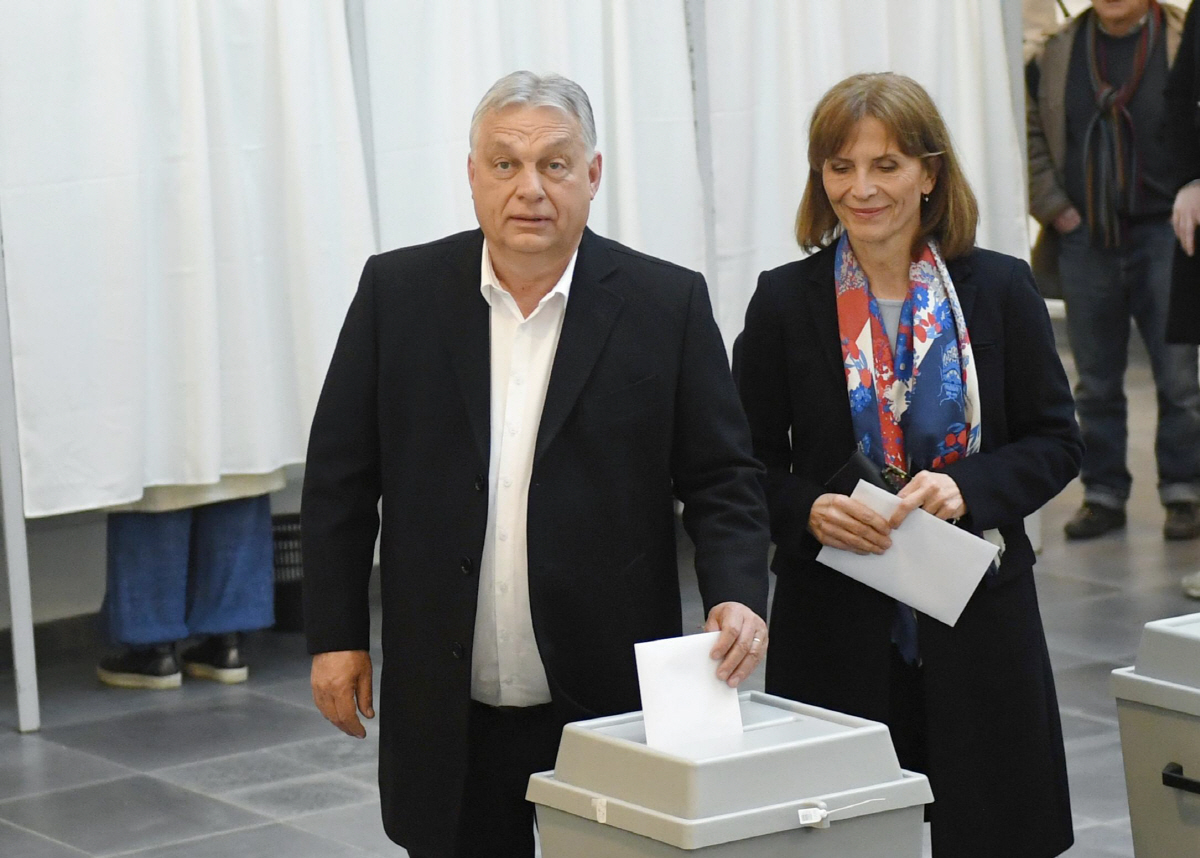
As voting opened in a parliamentary election that could unseat Viktor Orbán after 16 years in power, international attention turned to Hungary. Observers say the outcome could have implications for the European Union, Russia and the United States.
According to CNBC on the 12th (local time), voting began at 6 a.m. to elect a 199-seat parliament. Polls are scheduled to close at 7 p.m. local time (2 a.m. KST on the 13th), after which officials will begin counting ballots. Polls show Prime Minister Orbán’s ruling party, Fidesz, trailing the new center-right opposition, Tisza, by 7–9 percentage points.
Orbán has long been a leading Euroskeptic and has consolidated power under a model he describes as “illiberal democracy.” He has maintained close ties with former U.S. President Donald Trump and has adopted a generally friendly stance toward Russia. That approach has won him support among right-wing forces across Europe and among elements of the MAGA movement in the United States.
Domestically, frustration has grown amid a slowing economy, surging inflation and scandals over wealth accumulation by oligarchs close to the ruling elite. Younger voters, in particular, are calling for change, and some have publicly said the government should be replaced.
Péter Magyar, who has emerged as Tisza’s leader and the face of the opposition, was once aligned with Orbán’s circle. After breaking with the ruling faction, he rose quickly as the head of the anti-government front, centering his campaign on allegations of corruption and declining living standards to broaden his support.
The election carries international significance. The EU has repeatedly criticized Orbán’s government for eroding press freedom and the rule of law. On the Ukraine war, Orbán has taken an unusually Russia-friendly position within the EU. If the government changes, the bloc could consider resuming roughly €90 billion in planned aid to Ukraine (about $96.3 billion; roughly 157 trillion KRW (about $117.8 billion)), analysts say.
Orbán framed the vote as a choice “between war and peace,” warning that an opposition victory could pull Hungary into the conflict in Ukraine. Magyar strongly rejects that claim, saying the election will determine Hungary’s future direction and its role on the world stage.
Experts say the result is hard to predict. A sizable share of voters remain undecided, and factors such as district redistricting and overseas Hungarian voters could benefit the ruling party. Analysts also caution that even if the opposition wins a simple majority, it would face significant obstacles in dismantling the power structures Orbán has built in a short time.














Most Commented